

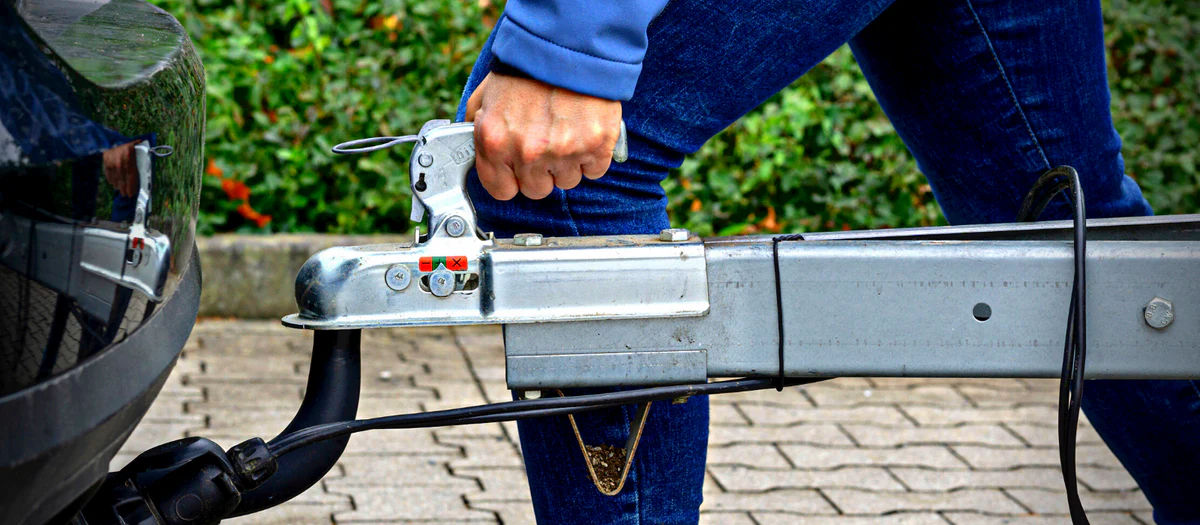
Maintaining your trailer is essential for safety and performance. A properly cared-for trailer coupling ensures your trailer stays securely attached. Regular inspections prevent accidents and reduce repair costs. Performing simple checks before each journey saves time and money. It also extends the life of your trailer and gives peace of mind while towing.
What is a Trailer Coupling?
A trailer coupling is the mechanism that connects your trailer to the towing vehicle. It allows weight transfer and smooth towing. Common types include ball couplings, pintle hooks, and tow bars. Couplings are usually made of steel or aluminium. Understanding the type and condition of your coupling helps in performing correct maintenance and inspections. Proper knowledge reduces the risk of accidents caused by wear or incorrect usage.
Routine Maintenance
Regular maintenance keeps your trailer safe and reliable. Follow these essential steps:
- Clean the coupling regularly to remove dirt, mud, and road debris.
- Lubricate moving parts to reduce friction and prevent wear.
- Inspect for rust, cracks, or corrosion that could weaken the connection.
- Ensure the coupling aligns correctly with the towing vehicle.
- Check bolts and fasteners for tightness to avoid loosening while towing.
Consistent maintenance ensures your trailer remains safe and reduces the need for costly repairs.
Inspection Checklist
Performing a thorough inspection before each journey is vital. Include these steps:
- Conduct a visual check for damage or worn areas on the coupling.
- Test the locking mechanism to ensure it fully secures the trailer.
- Examine the safety chain for fraying, corrosion, or missing links.
- Check for unusual movement, rattling, or signs of wear while connecting the trailer.
- Verify that the coupling height matches the towing vehicle for even load distribution.
Routine inspections allow early detection of issues and help prevent accidents.
Common Issues and Fixes
Some problems occur frequently during trailer use. Early identification and repair prevent failures:
- Loose coupling may cause trailer sway. Tighten bolts or replace worn parts.
- Difficulty connecting or disconnecting may indicate misalignment or damaged components.
- Unusual noises suggest lubrication or part replacement is needed.
- Corrosion or rust should be cleaned and treated with a protective coating.
Fixing these problems promptly ensures safe towing and prolongs the coupling’s lifespan.
Enhancing Safety with Accessories
Using trailer accessories can improve coupling safety and stability. Consider these measures:
- Safety chains prevent the trailer from detaching if the coupling fails.
- Hitch locks secure the trailer when parked and reduce theft risk.
- Ensure all trailer accessories are compatible and in good condition.
- Regularly inspect accessory attachment points for wear or damage.
The right accessories support the coupling, improve control, and give drivers confidence on every journey.
Conclusion
Proper maintenance and regular inspections are essential for safe towing. Cleaning, lubrication, and routine checks help prevent accidents. Using the right safety equipment further improves control and stability. Following these simple steps prolongs the trailer’s life and ensures worry-free travel every time.











Leave a Reply