

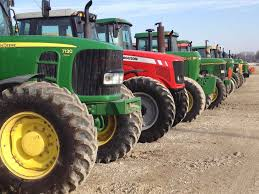
Farming requires a lot of equipment, and tractors are among the most essential tools for any farm. They help with plowing, planting, harvesting, and transporting materials. However, buying a brand-new tractor can be expensive, especially for small or medium-sized farms. This is where used tractors become a practical and affordable option. Finding reliable used tractors can save money while still providing the performance needed to run a farm efficiently. This article will guide you on how to choose quality used tractors for your farm.
1. Determine Your Farm’s Needs
Before searching for used tractors, it is important to understand your specific farm requirements. Consider the size of your land, the type of crops you grow, and the tasks your tractor needs to perform. Some tractors are better for heavy-duty work, while others are suitable for light tasks. Knowing your needs helps narrow down options and ensures you select a tractor that matches your farm operations.
2. Set a Realistic Budget
Used tractors are more affordable than new ones, but prices can vary based on brand, age, condition, and features. Setting a realistic budget is important before you start shopping. Keep in mind that cheaper tractors may require more repairs, while higher-priced options could offer better reliability. Include potential maintenance costs in your budget to avoid unexpected expenses.
3. Research Brands and Models
Not all tractors are built the same, and some brands are known for durability and long life. When looking for used tractors, research brands and models that are popular among farmers. Read reviews, ask for recommendations, and compare features to understand which tractors have a strong reputation. This research ensures you invest in machinery that will perform well over time.
Popular Tractor Brands to Consider
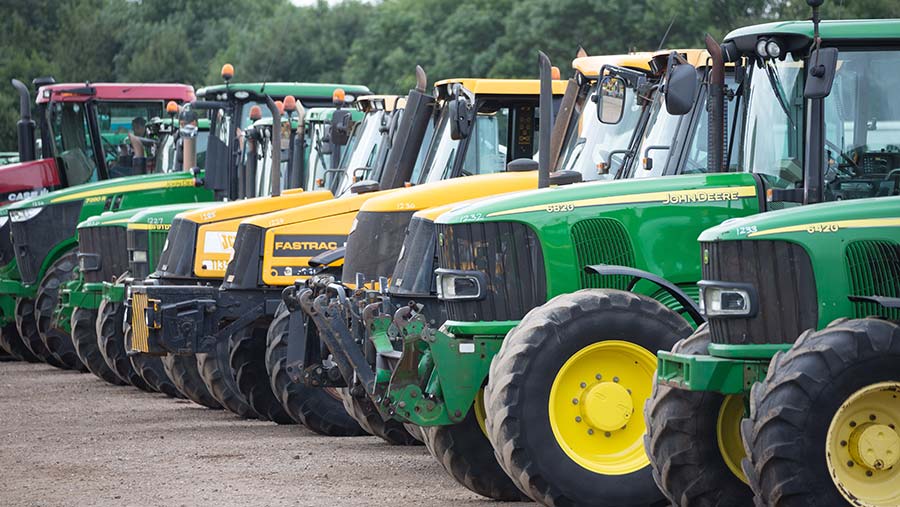
When searching for used tractors, some brands are known for reliability and long-term performance. Brands like John Deere, Massey Ferguson, Kubota, and New Holland are popular among farmers. Each brand offers different features, engine capacities, and maintenance requirements. Understanding the advantages of these brands can help you make an informed choice when purchasing a tractor.
4. Inspect the Tractor Thoroughly
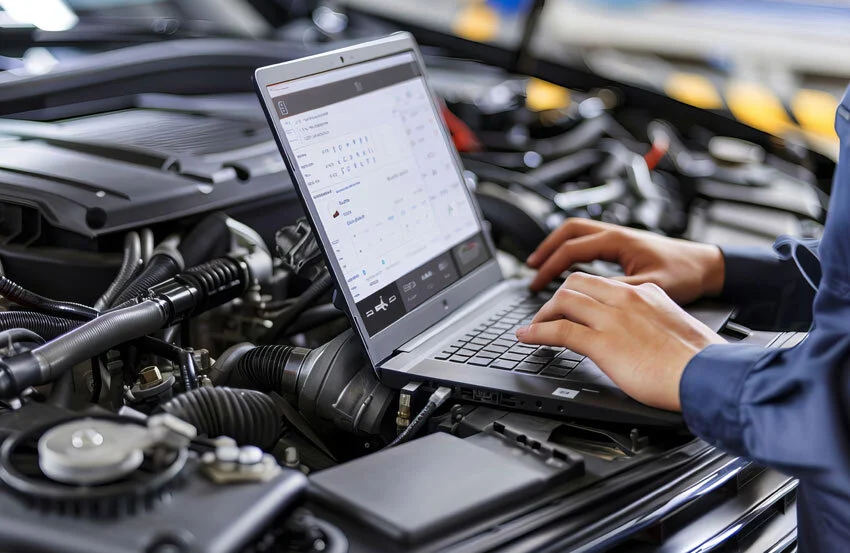
One of the most important steps in buying used tractors is a thorough inspection. Check the engine, transmission, hydraulics, tires, and electrical systems. Look for signs of wear, rust, leaks, or previous damage. If you are not familiar with tractor mechanics, consider hiring a professional to inspect the tractor for you. A proper inspection can prevent costly repairs after purchase.
5. Review Maintenance Records
A reliable tractor usually comes with a maintenance history. Ask the seller for records of previous services, repairs, and part replacements. Well-maintained used tractors are less likely to have hidden problems and can provide better performance and longevity. Maintenance records also indicate how the previous owner treated the tractor, giving you insight into its overall condition.
6. Buy from Reputable Sellers
Where you buy used tractors can make a big difference. Deal with reputable dealers, farm equipment stores, or certified sellers rather than unknown private sellers. Reputable sellers often offer warranties, guarantees, or after-sales support. Buying from trusted sources reduces the risk of fraud and ensures you get a tractor in good working condition.
7. Consider the Tractor’s Age and Hours of Use
The age of a tractor and the number of hours it has been used are important indicators of its remaining lifespan. Older tractors or those with very high hours of operation may require more repairs in the future. Look for used tractors that balance age, usage, and maintenance history to get the best value for your money.
8. Test the Tractor Before Purchase
If possible, take the tractor for a test run. Operate it under normal working conditions to check for any unusual sounds, vibrations, or performance issues. Testing the tractor helps identify problems that may not be visible during inspection and ensures the tractor is suitable for your farm tasks.
9. Negotiate and Confirm Paperwork
Once you find a suitable used tractor, negotiate the price based on its condition and market value. Make sure all ownership documents, maintenance records, and any warranties are in order. Having proper documentation protects you legally and ensures a smooth transaction.
Conclusion
Buying used tractors is a smart way to equip your farm without spending excessively on new machinery. By understanding your needs, setting a budget, researching reliable brands, inspecting the tractor carefully, and buying from reputable sellers, you can find a tractor that offers both performance and durability.
Reliable used tractors can serve your farm for many years, helping you complete tasks efficiently while saving money. Taking the time to research and inspect before purchasing ensures you make a wise investment in your farm’s productivity.


















Leave a Reply