

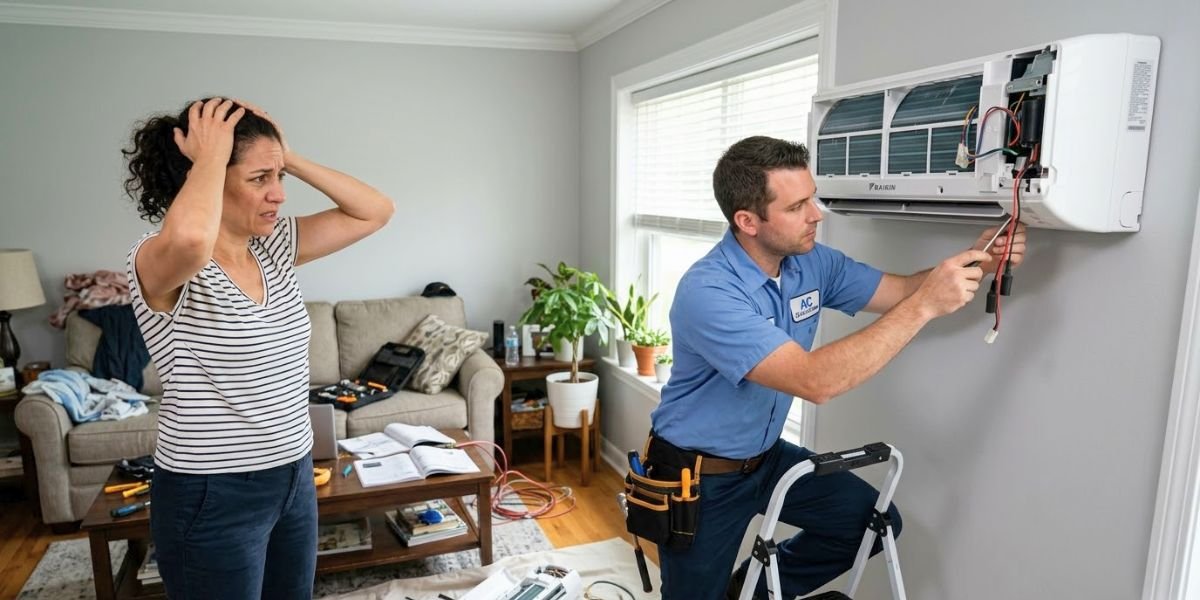
When my air conditioner suddenly stopped working in the middle of a sweltering summer, I realized something important: not all repair services are created equal. Choosing the right technician isn’t just about getting the system running again, it’s about protecting my comfort, my budget, and the long-term health of my HVAC system.
Over the years, I’ve learned how to evaluate repair companies with a more critical eye. In this guide, I’ll walk through exactly how I approach selecting the best option, using practical criteria that go beyond quick online searches.
Understanding What You Actually Need
Before I even begin looking for a repair company, I take a moment to assess the situation. Not every issue requires the same level of expertise.
Sometimes the problem is minor, like a clogged air filter, thermostat malfunction, or tripped circuit breaker. Other times, it’s more complex, involving components such as:
- Compressor
- Evaporator coil
- Condenser unit
- Refrigerant lines
- Electrical control board
By identifying the symptoms, warm air, unusual noises, water leakage, or inconsistent airflow, I can better communicate with technicians and avoid unnecessary upselling.
Verifying Licensing and Certifications
One of the first things I check is whether the company holds proper licensing and certifications. This is non-negotiable.
A legitimate HVAC technician should have:
- State or local licensing (depending on regulations)
- EPA Section 608 certification (for handling refrigerants)
- Training credentials from recognized organizations like NATE (North American Technician Excellence)
When I see these qualifications, it gives me confidence that the technician understands system diagnostics, safety protocols, and environmental compliance.
Evaluating Experience and Specialization
Experience matters more than flashy marketing. I always look for companies that have been operating for several years and have handled a wide range of systems.
Some important considerations I keep in mind:
- Do they work with central air systems, ductless mini-splits, and heat pumps?
- Are they familiar with my unit’s brand (e.g., Carrier, Trane, Lennox, Daikin)?
- Do they handle both residential and light commercial systems?
A seasoned technician can often diagnose issues faster and recommend solutions that prevent recurring breakdowns.
Reading Reviews with a Critical Eye
Online reviews are helpful, but only if I interpret them correctly.
Instead of just looking at star ratings, I focus on patterns in customer feedback:
- Are customers mentioning punctuality and professionalism?
- Do reviews highlight transparent pricing?
- Are there repeated complaints about delays or poor communication?
I also pay attention to how the company responds to negative reviews. A professional response often indicates accountability and a commitment to customer satisfaction.
Comparing Pricing Transparency
Pricing is where things can get tricky. I’ve learned to avoid companies that provide vague estimates or refuse to discuss costs upfront.
A trustworthy provider will typically offer:
- Clear diagnostic fees
- Itemized estimates
- Explanation of parts and labor costs
- Warranty details on repairs
At one point, I chose an air conditioning repair service that provided a detailed breakdown before starting any work. That level of transparency made a significant difference in my overall experience.
Checking Availability and Response Time
When my AC fails, time matters. That’s why I always evaluate a company’s responsiveness.
Key questions I ask:
- Do they offer emergency or same-day service?
- What are their typical response times?
- Are technicians available during weekends or after hours?
A company that can respond quickly, especially during peak summer months, immediately stands out.
Assessing Customer Service and Communication
From the first phone call or inquiry, I pay attention to how I’m treated. Customer service often reflects the company’s overall professionalism.
Signs of strong communication include:
- Clear and polite responses
- Willingness to answer technical questions
- Honest recommendations (even if it means suggesting repair over replacement)
If I feel rushed or pressured, I take it as a red flag.
Understanding Warranty and Service Guarantees
A reliable repair service stands behind its work. I always ask about warranties before agreeing to any repairs.
Typical warranties may include:
- Labor warranty (e.g., 30–90 days or longer)
- Parts warranty (depending on manufacturer)
- Satisfaction guarantee
This provides peace of mind, knowing that if something goes wrong, I won’t be paying twice for the same issue.
Evaluating Tools, Technology and Diagnostic Methods
Modern HVAC systems are complex, and the tools used to diagnose them matter.
I look for companies that utilize:
- Digital diagnostic equipment
- Refrigerant leak detection tools
- Airflow measurement devices
- Smart thermostat integration knowledge
Technicians who invest in updated tools tend to deliver more accurate and efficient repairs.
Considering Energy Efficiency Expertise
An often-overlooked factor is whether the technician understands energy efficiency.
During repairs, I appreciate when professionals offer insights such as:
- Improving SEER (Seasonal Energy Efficiency Ratio)
- Identifying airflow inefficiencies
- Recommending programmable or smart thermostats
- Checking insulation and duct sealing
These suggestions can reduce my energy bills and extend the lifespan of my system.
Asking About Preventive Maintenance Plans
After going through a few costly repairs, I realized that prevention is just as important as fixing problems.
Many reputable companies offer maintenance plans that include:
- Seasonal inspections
- Filter replacements
- Coil cleaning
- Refrigerant level checks
Signing up for a maintenance plan often prioritizes me for service calls and reduces the likelihood of emergency breakdowns.
Avoiding Common Pitfalls
Over time, I’ve learned to watch out for certain warning signs that indicate a less reliable service:
- Extremely low estimates that seem too good to be true
- Lack of physical business address
- No written estimates or contracts
- High-pressure sales tactics for full system replacement
- Poor communication or missed appointments
Avoiding these pitfalls has saved me both time and money.
Final Thoughts
Choosing the right repair service isn’t just about fixing an immediate problem, it’s about building a relationship with a trusted professional who understands my HVAC system.
By focusing on credentials, experience, transparency, and customer service, I’ve been able to make smarter decisions and avoid unnecessary stress during breakdowns.
The next time my air conditioner shows signs of trouble, I won’t panic. I’ll follow the same structured approach, confident that I can find a reliable expert who will get things back to normal efficiently and professionally. If you take the time to evaluate your options carefully, you’ll not only restore your comfort faster, you’ll also ensure your cooling system operates smoothly for years to come.
























Leave a Reply