

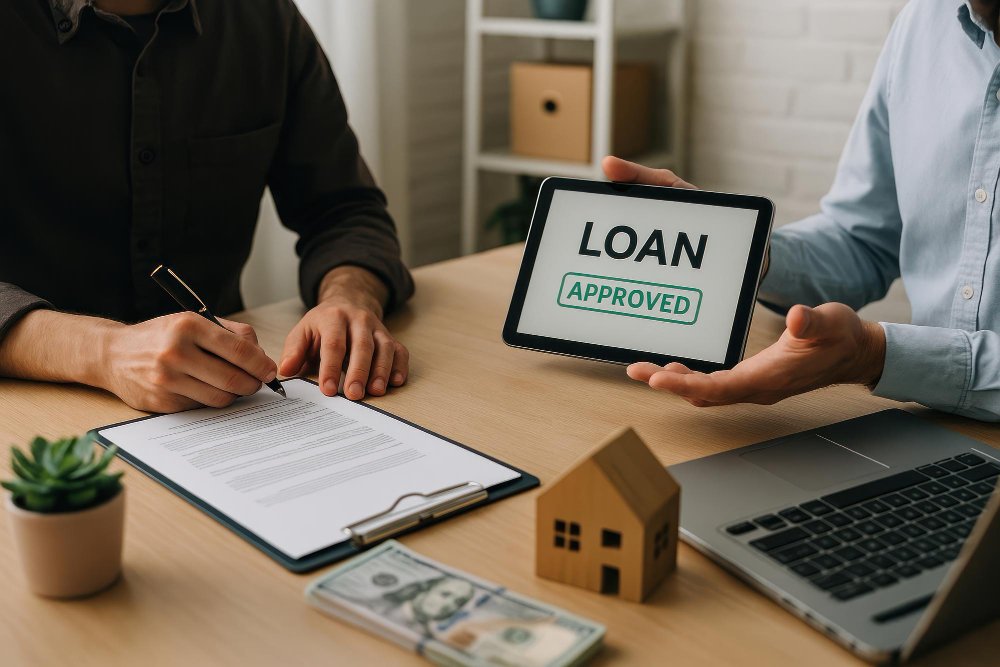
The Philippine economy offers many growth paths for local entrepreneurs today. Obtaining a Business Loan in the Philippines helps owners fund their daily operations or expansion plans. Many people look for extra capital to buy new inventory or hire more staff. This process involves several stages from preparation to final approval from a lender.
Role of Loan Matching Platforms
Business owners often find the lending market crowded and hard to navigate alone. Third-party platforms act as a bridge between these owners and various financial institutions. These services collect basic information to find the best match for a specific company. This method saves time because the owner does not visit every bank individually.
Common Eligibility Requirements
Lenders check the legal status and age of the business before they offer money. Most banks require the business to operate for at least two to three years. The owner must be a Filipino citizen or have a local partner for certain legal structures. These rules help the lender know the business has a stable history of sales.
Essential Business Documents
The application process starts with gathering legal papers from different government offices. Applicants need a DTI or SEC registration and a current Mayor’s permit. Financial records like the last two years of Income Tax Returns are standard requirements. Banks also look at bank statements to see how much money moves through the account.
Different Types of Business Lenders
Traditional banks offer large amounts of money with lower interest rates for stable companies. Private lenders and financing firms provide faster approvals but might charge higher fees. Online platforms connect users to both types of credit sources through a single application. Choosing the right lender depends on how fast the business needs the funds.
The Application and Evaluation Phase
The owner submits the digital or physical form along with all the required files. A loan officer reviews the debt-to-income ratio to see if the business can pay back. They check the credit history of the company and the primary owners. This evaluation period can take a few days or several weeks depending on the bank.
Loan Approval and Fund Release
The lender sends a formal offer letter once the evaluation meets their internal standards. This document lists the total amount, the interest rate, and the monthly payment schedule. The owner signs the contract and submits any remaining collateral documents if needed. The bank then transfers the funds directly to the business bank account for use.
Key Takeaway
The Philippine economy offers many growth paths for local entrepreneurs today. Obtaining a Business Loan in the Philippines helps owners fund their daily operations or expansion plans. Many people look for extra capital to buy new inventory or hire more staff. This process involves several stages from preparation to final approval from a lender.
Role of Loan Matching Platforms
For many business owners, the lending landscape is an overwhelming maze of complex requirements and competing offers. Navigating this crowded market alone often leads to frustration and missed opportunities, as traditional applications can be rigid and time-consuming. Third-party platforms solve this by acting as a strategic bridge, connecting entrepreneurs with a diverse network of financial institutions tailored to their specific needs. By centralizing the search process, these services ensure that owners aren’t just finding any loan, but the right one for their unique operational goals.
Efficiency is the primary driver of this modern approach. Instead of visiting dozens of banks individually, business owners provide basic information once to unlock a curated list of matches. This streamlined method drastically reduces the administrative burden, allowing leadership to focus on growth rather than paperwork. For a team lead managing high-level strategies, this efficiency is vital, as it transforms a chaotic search into a targeted, data-driven selection process that saves both time and capital.
Common Eligibility Requirements
Lenders prioritize stability and legal compliance before extending capital, beginning with a rigorous check of a business’s legal status and operational history. Most financial institutions require a company to have been active for at least two to three years, as this track record serves as a primary indicator of long-term viability. This requirement filters for established entities that have moved beyond the high-risk startup phase, providing the lender with a clear picture of the business’s ability to maintain consistent sales and manage recurring overhead costs.
Beyond operational age, ownership structure plays a critical role in the approval process. For many credit facilities, the owner must be a Filipino citizen or, depending on the legal structure, have a local partner involved. These regulations ensure that the business is firmly rooted in the local market and adheres to specific national legal frameworks. For a lead focused on strategic growth, meeting these foundational criteria is the first step in demonstrating that a business is a reliable, low-risk candidate for significant investment.
Essential Business Documents
The application process begins with a meticulous phase of document collection from various government agencies to establish corporate legitimacy. To qualify, applicants must provide foundational legal registrations, such as those from the Department of Trade and Industry (DTI) for sole proprietorships or the Securities and Exchange Commission (SEC) for corporations. Furthermore, a current Mayor’s Permit is essential to prove the business is authorized to operate within its specific municipality.
Beyond legal standing, lenders demand a transparent view of the company’s financial health through historical data. Standard requirements include Income Tax Returns (ITR) from the last two years, which verify declared earnings and tax compliance. Additionally, banks scrutinize several months of bank statements to analyze cash flow patterns and overall liquidity. For a team lead overseeing complex operations, gathering these high-stakes documents accurately is the critical first step in demonstrating fiscal responsibility and securing necessary funding.
Different Types of Business Lenders
Traditional banks cater primarily to established companies, offering substantial capital with significantly lower interest rates and predictable repayment terms. These institutions leverage their regulated status to provide competitive costs, but they maintain a rigorous, often lengthy, approval process that demands excellent credit and deep financial history. For businesses that can afford to wait 60 to 90 days, banks remain the gold standard for long-term stability and building a corporate credit profile that unlocks future growth.
In contrast, private lenders and online platforms focus on speed and accessibility, often approving applications within 24 to 48 hours. While these sources charge higher fees and interest rates to offset their increased risk, they offer much-needed flexibility for urgent capital needs or companies with non-traditional financial profiles. Choosing the ideal lender requires a strategic balance: prioritizing traditional banks for cost-efficiency and long-term planning, or leveraging private and digital sources when immediate liquidity is the top priority for operational survival.
The Application and Evaluation Phase
The application process begins when the owner submits a comprehensive digital or physical dossier, including all required legal and financial files. This triggers a formal review where a loan officer meticulously analyzes the company’s debt-to-income (DTI) ratio. This metric is crucial, as it determines whether the business’s current revenue streams are sufficient to cover new monthly obligations without compromising operational stability. For a team lead, ensuring these initial submissions are flawless is vital to preventing immediate rejection during the intake phase.
Following the financial review, lenders conduct a deep dive into the credit history of both the company and its primary owners. This secondary check assesses past repayment behavior and overall fiscal reliability. The duration of this evaluation period varies significantly across the industry; while fintech firms might conclude their assessment in a few days, traditional banks often take several weeks to finalize their due diligence. Navigating this timeline effectively requires proactive communication to ensure that the business remains agile while waiting for a final funding decision.
Loan Approval and Fund Release
Once the evaluation successfully meets a lender’s internal risk standards, they issue a formal offer letter detailing the terms of the credit facility. This essential document clearly outlines the total principal amount, the applicable interest rate, and a structured monthly payment schedule. For any business leader, this is the critical moment to review the “fine print” and ensure the repayment terms align with the company’s projected cash flow. This formalizes the transition from a hopeful applicant to a qualified borrower ready for capital injection.
To finalize the process, the owner signs the binding contract and submits any remaining collateral documents required to secure the debt. Depending on the agreement, this may involve pledges of real estate, equipment, or other corporate assets. Once these final administrative hurdles are cleared, the bank initiates a direct transfer of funds into the designated business account. This seamless disbursement provides the immediate liquidity needed to scale operations, fund link-building campaigns, or invest in new infrastructure, marking the successful completion of the lending journey.
Key Takeaway
Applying for credit requires clear documentation and a solid understanding of the local market. A Business Loan in the Philippines provides the necessary cash flow to reach long-term company goals. Matching platforms simplify the search by connecting owners to the right banks and lenders. Preparing early helps a business owner navigate the system with fewer delays or errors.





















Leave a Reply