

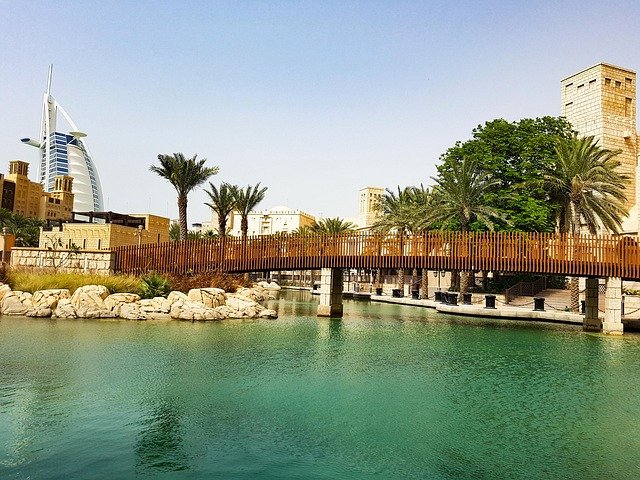
Dubai has long been known for its oil wealth, luxury lifestyle, and futuristic skyline. But over the last decade, the emirate has undergone a remarkable transformation — shifting from an energy-dependent economy to a global hub for tourism, hospitality, digital innovation, and smart city experiences. Today, tourism is one of Dubai’s strongest economic pillars, and technology is the engine driving this evolution.
As the world moves beyond traditional energy dependency, Dubai is positioning itself as the leading post-oil hospitality economy, where tech-powered travel, AI-driven guest experiences, digital services, and mobile-first travel solutions are becoming the new standard.
Whether you’re a hotel, travel startup, government entity, or a mobile app development company in Dubai, the opportunities within this tech-driven tourism ecosystem are expanding rapidly.
In this blog, we explore how technology is powering Dubai’s tourism sector, its shift away from oil, and what the future of hospitality looks like in one of the most innovative cities in the world.
1. The Post-Oil Vision: Dubai’s Shift Toward Tourism & Innovation
While the UAE continues to invest in oil and gas software development, Dubai has focused on aggressively diversifying its economy. Tourism now contributes more than 11% to the UAE’s GDP — with Dubai leading the charge.
The emirate’s long-term strategies such as:
- Dubai Tourism Strategy 2030
- Dubai Smart City Initiative
- Dubai Metaverse Strategy
- UAE AI Vision 2031
…aim to position Dubai as the world’s most visited, digitally advanced, and experience-first travel destination.
Dubai’s move towards a post-oil digital tourism ecosystem is powered by:
⭐ Government-led digital transformation
⭐ Smart infrastructure investment
⭐ AI, data analytics, and automation
⭐ Mobile apps enabling frictionless travel
⭐ AR/VR-based entertainment and visitor experiences
⭐ Smart hospitality systems across hotels, airports, and attractions
This makes Dubai one of the world’s best case studies for tech-enabled tourism.
2. Smart Tourism: The Foundation of Dubai’s Visitor Experience
Dubai has built one of the world’s most integrated digital tourism infrastructures. From booking flights to checking into hotels to exploring attractions, technology powers every touchpoint.
A. Mobile-First Travel Experiences
Most tourists interact with the city through digital touchpoints. That is why travel agencies, hotels, and tourism boards work closely with a mobile app development company in Dubai to build:
- Tourism guide apps
- Smart hotel check-in systems
- Digital concierge services
- City navigation tools
- Attraction booking platforms
Dubai’s government app ecosystem — including DubaiNow, Visit Dubai, and Smart Travel portals — provides seamless access to services.
B. AI-Driven Hospitality
AI is used for:
- 24/7 virtual assistants in hotels
- Predictive guest personalisation
- Automated check-in kiosks
- Smart room controls
- Real-time travel data
Hotels like Atlantis, Jumeirah, and others now offer AI-powered concierge systems.
C. Smart Airport and Travel Systems
Dubai Airport is one of the world’s most technologically advanced airports. Innovations include:
- Biometric smart gates
- AI-based passport control
- Automated baggage tracking
- Paperless boarding passes
These systems bring Dubai closer to a fully automated travel ecosystem.
3. Robots, Automation & Contactless Hospitality
The post-pandemic tourism boom accelerated Dubai’s move towards contactless, automated hospitality.
Hotels and resorts increasingly use:
Robotic service staff
Delivering room service, cleaning, and concierge support.
IoT-enabled smart hotel rooms
Rooms that adjust lighting, temperature, and ambiance based on guest preferences.
Autonomous shuttles
Transporting tourists across popular attractions.
Touchless payment and check-in systems
Allowing zero-contact guest journeys.
Tech startups and digital product builders are at the forefront of enabling these systems. Collaboration between hospitality brands and a mobile app development company in Dubai ensures smooth integration across platforms and devices.
4. AR, VR, and the Metaverse: Redefining Tourist Attractions
Dubai is one of the first cities to embed immersive technologies into tourism.
A. VR Theme Parks & Attractions
- VR Park Dubai
- Museum of the Future holographic exhibits
- VR shopping malls
These deliver futuristic, gamified tourist experiences.
B. AR City Tours
Apps now offer AR overlays for:
- Historical locations
- Shopping districts
- Cultural landmarks
- Entertainment zones
Tourists can interact with the city through immersive storytelling.
C. The Dubai Metaverse Strategy
Dubai plans to create 40,000 virtual jobs and become a world leader in metaverse tourism.
This includes:
- Virtual Dubai city tours
- Metaverse hotels
- Digital art galleries
- VR shopping malls
Such innovations strengthen Dubai’s position as the global capital of virtual tourism.
5. Data, AI & Predictive Tourism Analytics
Dubai uses big data to understand tourist behavior and optimize city-wide hospitality operations.
Key applications include:
- Predicting travel demand
- Optimizing hotel occupancy
- Personalizing marketing
- Real-time event and crowd management
- Route optimization for tourist transport
- Hotel rate automation
Organizations collaborate with analytics vendors and tech partners to integrate these systems into mobile and web apps.
6. Sustainability Technology: Powering Eco-Friendly Tourism
Dubai is heavily investing in sustainability technologies as part of its tourism innovation.
Innovations include:
- Solar-powered smart buildings
- Waste-to-energy systems
- AI-enabled energy management in hotels
- Smart water usage technologies
- Electric mobility infrastructure
Many technologies originally developed for oil and gas software development — such as advanced energy analytics and predictive maintenance — are now being adapted for sustainable tourism operations.
This “tech repurposing” bridges the gap between the past (oil) and the future (innovation-driven tourism).
7. Smart Retail & Cashless Tourism Economy
Dubai’s retail sector is one of its biggest tourist attractions. Technology enhances every shopping experience.
Digital retail innovations include:
- AI-driven product recommendations
- Smart shopping carts
- Self-checkout stores
- Contactless payments
- Blockchain-based tax refund systems
Mall of the Emirates and Dubai Mall are global leaders in retail innovation — combining tech, entertainment, and retail for immersive experiences.
8. Mobility Technology: Helping Tourists Move Seamlessly
Dubai’s transport tech is among the most advanced in the world.
Tech-forward mobility upgrades include:
- Autonomous taxis
- AI-based traffic monitoring
- Drone taxis (pilot phase)
- Smart metro and bus tracking
- Real-time navigation apps
- Smart parking systems
Startups and digital agencies develop the tech backbone for these mobility platforms. A mobile app development company in Dubai plays a crucial role in building apps that connect tourists with mobility services effortlessly.
9. The Role of Startups & Tech Companies in Dubai’s Tourism Boom
The tourism technology ecosystem thrives due to strong collaboration between:
- Government smart city programs
- Global investors
- Local tech startups
- Hospitality enterprises
- Digital transformation companies
Dubai supports innovation through:
- Smart City Accelerator
- Dubai Future Foundation
- Dubai Silicon Oasis programs
- Dubai Tourism Innovation Hub
These programs help startups build, scale, and test tourism-tech solutions in a future-ready environment.
10. Future of Tourism in Dubai: What’s Next?
Dubai’s tourism innovation roadmap includes:
A. Fully automated hotels
AI-powered hotels offering robot services, smart room analytics, and automated check-in.
B. Autonomous mobility for tourists
Drone taxis, electric shuttles, self-driving pods.
C. Tokenized travel economy
Blockchain-based loyalty systems and digital passports.
D. Hyper-personalized tourism
AI systems that build travel itineraries based on individual personality profiles.
E. Digital twins of the city
Tourists will explore a virtual version of Dubai before arriving physically.
F. Integration of oil & energy tech into tourism sustainability
Expertise from oil and gas software development will help Dubai build carbon-neutral, energy-efficient tourism facilities.
The future of Dubai tourism is AI-driven, hyper-personalized, sustainable, mobile-first, and immersive.
Conclusion: Tech Is the Core of Dubai’s Post-Oil Tourism Economy
Dubai’s tourism sector is no longer just about luxury hotels and iconic landmarks — it’s about delivering smart, digital-first, and immersive experiences for global travelers.
From AI-powered hospitality to AR-based attractions, autonomous mobility to smart retail, Dubai has built a tourism ecosystem where technology leads the way.
As the world transitions toward a post-oil economy, Dubai stands ahead by using innovation as its primary driver of growth.
Whether you’re a hotel, travel startup, tourism board, or a mobile app development company in Dubai, now is the ideal time to harness this digital revolution.
Dubai’s tourism future is bright — and powered by technology.



















Leave a Reply