

Customer expectations have changed. People want speed, privacy, and convenience. They do not want to stand in long lines, worry about lost belongings, or wait for staff to unlock a storage room. They expect technology to remove friction.
That is where Smart Locker systems come in. These digital lockers are changing how retail stores, stadiums, malls, and live event venues serve customers. They improve service speed, increase satisfaction, and create new revenue opportunities.
Let’s break down how these systems are reshaping customer experience in retail and events.
The Shift in Customer Expectations
Today’s customers are used to contactless payments, mobile check-ins, and instant notifications. After global changes in shopping and event behavior, people expect minimal contact and maximum efficiency.
In retail, shoppers want:
- Fast pickup options
- Secure storage for bags
- Self-service convenience
In events and venues, attendees want:
- Safe places to store belongings
- Quick entry and exit
- Less interaction with staff for simple tasks
Smart lockers answer all of these needs in one solution.
What Are Smart Locker Systems?
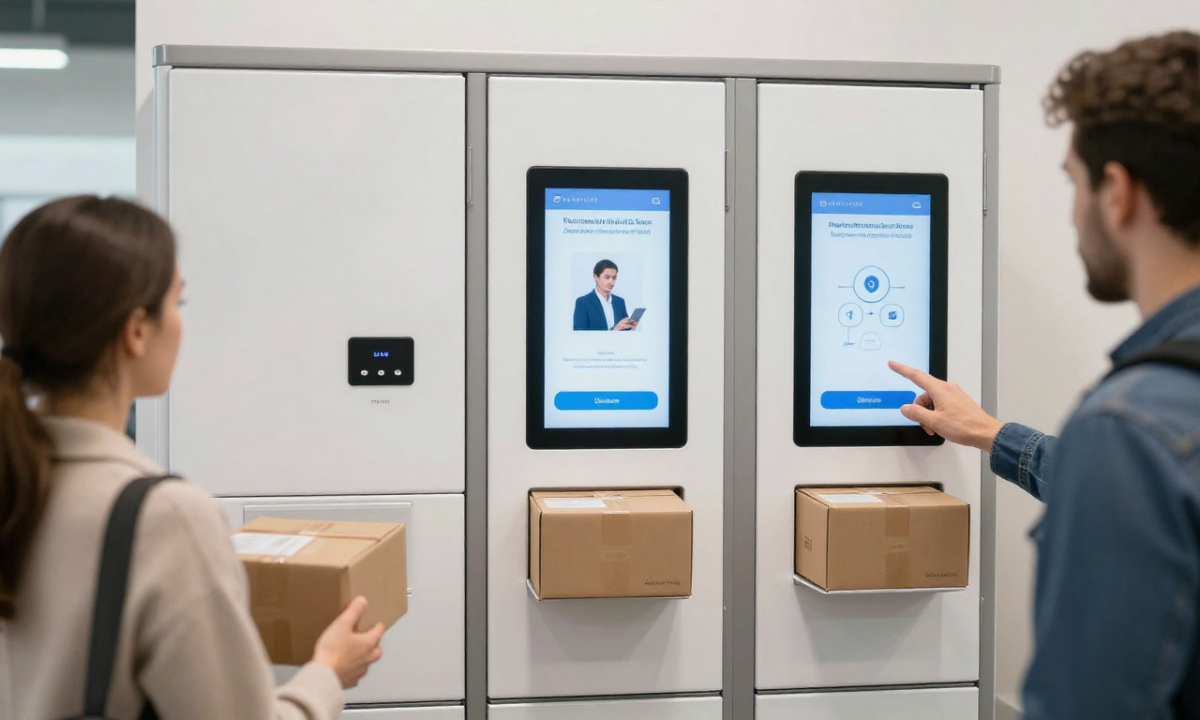
Smart locker systems are digitally controlled storage units that allow users to access compartments using QR codes, PIN codes, mobile apps, or contactless authentication methods.
Unlike traditional lockers with physical keys, these systems are cloud-managed and automated. Retailers and venue operators can monitor usage, control access remotely, and track activity in real time.
Core features often include:
Secure Storage
Each compartment locks electronically and logs access activity. This reduces theft risk and removes issues like lost keys. Customers feel confident leaving their belongings while they shop or attend an event.
Rental and Pay-Per-Use Options
Operators can monetize lockers by offering hourly or daily rentals. Digital payment integration makes transactions simple.
Contactless Access
Users can scan a QR code or enter a code received via SMS. No keys. No shared touchpoints. No waiting for staff.
Improving Customer Satisfaction in Retail
Retail is competitive. Stores must offer more than products. They must offer convenience.
Faster Order Pickup
Click-and-collect has grown rapidly. Smart lockers allow customers to pick up online orders without standing in line. They receive a notification, scan a code, and collect their package in seconds.
This reduces:
- Queue times
- Staff workload
- Pickup errors
Customers value speed. When pickup takes less than a minute, satisfaction increases.
Secure Bag Storage While Shopping
In malls and large retail outlets, Customers often carry bags from other stores. Smart lockers give them a place to store those items securely.
When customers feel comfortable and unburdened, they spend more time browsing. Longer visits often translate into higher sales.
After-Hours Access
Retailers can place lockers outside stores. Customers can collect orders even after closing time. This extends service availability without increasing staffing costs.
Transforming the Experience at Events and Venues
Concerts, festivals, sports games, and conferences bring large crowds. Managing personal belongings in these environments can be chaotic.
Quick Entry and Security Compliance
Many venues restrict large bags for safety reasons. Smart lockers placed outside the entrance allow attendees to store prohibited items quickly.
This speeds up security checks and reduces congestion at entry gates.
For example, large venues like those seen at events similar to the Super Bowl at the MetLife Stadium have implemented strict bag policies. Digital locker systems support smooth enforcement without frustrating attendees.
On-Demand Rentals During Events
At music festivals or multi-day events, attendees often need storage for jackets, merchandise, or equipment. Lockers can be rented instantly through a mobile interface.
This adds convenience and opens a direct revenue stream for event organizers.
Reduced Staff Pressure
Without smart lockers, staff members often handle storage manually. That creates delays and increases labor costs. Automated systems allow staff to focus on higher-value tasks like guest support and safety management.
Contactless Technology Supports Modern Expectations
Contactless systems are no longer optional. Customers expect them. Smart lockers integrate with mobile apps, digital wallets, and SMS notifications.
Benefits include:
- No physical keys to lose
- No paper tickets
- No face-to-face transactions required
- Faster turnaround times
In a busy retail store or stadium, seconds matter. Contactless access keeps lines moving and reduces frustration.
Creating New Revenue Streams
Smart locker systems do more than improve experience. They generate income.
Rental Fees
Hourly or daily locker rentals can produce steady revenue, especially in high-traffic venues.
Premium Services
Operators can offer:
- Larger locker options
- Temperature-controlled compartments
- Priority access locations
These upgrades allow tiered pricing models.
Advertising and Brand Partnerships
Digital locker screens can display ads or sponsored messages. Retailers can promote in-store deals. Event organizers can feature sponsors.
This transforms lockers from simple storage units into marketing tools.
Operational Efficiency for Businesses
Behind the scenes, smart locker systems improve operations.
Centralized Management
Operators can monitor locker usage through a dashboard. They can see occupancy rates, transaction history, and maintenance needs.
Reduced Theft and Liability
Electronic logs record every access event. If an issue arises, administrators can review activity quickly.
Scalable Infrastructure
Businesses can start with a small locker bank and expand as demand grows. This flexibility supports both small retail stores and large venues.
Data-Driven Insights
Digital locker systems provide valuable data. Businesses can track:
- Peak usage times
- Average rental duration
- Customer preferences
This information helps optimize pricing, placement, and marketing strategies.
For example, if lockers near the entrance fill quickly while others remain empty, layout adjustments can improve efficiency.
Enhancing Brand Perception
Modern infrastructure signals innovation. When customers see smart lockers, they associate the business with convenience and technology.
In retail, this strengthens brand trust.
At events, it improves overall satisfaction.
When customers feel their needs are anticipated and solved, they are more likely to return.
The Future of Smart Lockers
The next evolution includes integration with AI and IoT systems. Lockers may:
- Predict demand during peak hours
- Adjust pricing dynamically
- Integrate with loyalty programs
- Connect with event ticketing systems
Retail and event spaces will continue adopting automation to reduce friction. Smart lockers are becoming part of that ecosystem.
Conclusion
Smart locker systems are redefining customer experience in retail stores and event venues. They increase service speed, reduce staff workload, and meet modern expectations for contactless interaction.
Secure storage builds trust. Rental options create revenue. Digital access removes friction.
In competitive markets, small improvements in convenience make a big difference. Businesses that adopt smart locker systems position themselves as efficient, customer-focused, and future-ready.
As customer expectations continue to rise, automated storage solutions will play a key role in shaping seamless retail and event experiences.
FAQs
1. How do smart locker systems improve retail order pickup?
They allow customers to collect online orders without waiting in line. A digital code grants instant access, reducing delays and staff involvement.
2. Are smart lockers secure enough for high-value items?
Yes. Electronic locking systems, access logs, and monitoring features enhance security compared to traditional key-based lockers.
3. Can event organizers generate revenue from smart lockers?
Yes. Organizers can charge rental fees, offer premium locker sizes, and display sponsor advertisements on digital screens.
4. Do smart lockers require constant staff supervision?
No. They operate automatically. Staff only intervene for maintenance or special assistance, reducing operational costs.
5. Can smart locker systems integrate with mobile apps and payment platforms?
Yes. Most modern systems support QR codes, SMS notifications, and digital payments, allowing a fully contactless user experience.



















Leave a Reply