


Spider veins are a common cosmetic concern that can affect individuals of all ages, often leading to self-consciousness and a desire for effective treatment options. These small, thin blood vessels appear close to the surface of the skin, typically in the legs and ankles, and resemble spider webs or tree branches. While they are usually harmless, many seek ways to improve their appearance and boost confidence. One of the most popular and proven treatments for spider veins is Sclerotherapy in Abu Dhabi, a minimally invasive procedure that offers significant aesthetic benefits.
Understanding Spider Veins and Their Causes
What Are Spider Veins?
Spider veins, medically known as telangiectasias, are tiny blood vessels that become dilated and visible through the skin. They are usually red, blue, or purple in color and tend to form in clusters, creating a web-like pattern. Unlike varicose veins, which are larger and often cause discomfort, spider veins are primarily a cosmetic issue, though they can sometimes cause mild aching or swelling.
Common Causes of Spider Veins
Several factors contribute to the development of spider veins, including genetic predisposition, hormonal changes, pregnancy, prolonged standing or sitting, obesity, and aging. Additionally, lifestyle choices such as sun exposure and certain medications may influence their appearance. Understanding these causes helps in both prevention and choosing appropriate treatment options.
How Sclerotherapy Effectively Removes Spider Veins
The Procedure Explained
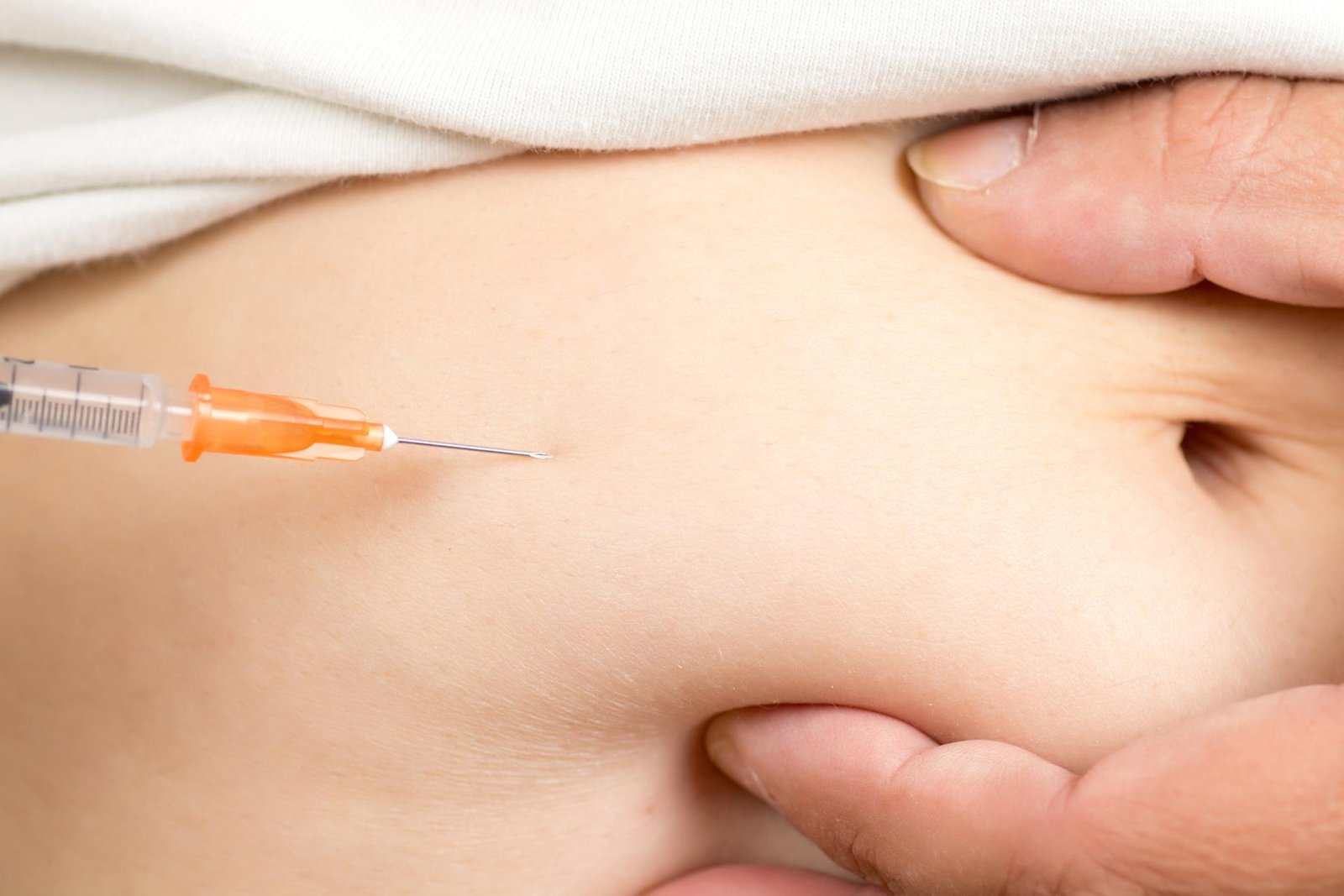
Sclerotherapy involves injecting a specialized solution directly into the affected veins. This sclerosing agent irritates the lining of the blood vessels, causing them to collapse and eventually be reabsorbed by the body. Over time, the treated veins fade and become less visible, resulting in a clearer skin appearance.
Why It Is a Preferred Choice
This treatment is favored because it is minimally invasive, requires no surgical incisions, and typically involves little to no downtime. Its precision allows targeted treatment of specific veins, making it highly effective for spider veins of various sizes and locations. The procedure can be performed in a clinical setting, and most patients experience minimal discomfort.
The Benefits of Sclerotherapy
The primary advantage of Sclerotherapy is its ability to deliver noticeable cosmetic improvements with high success rates. Patients often see visible results within a few weeks, and the treatment can be repeated if necessary for optimal outcomes. Additionally, it helps alleviate any associated symptoms such as aching or swelling, thereby improving overall leg health and aesthetics.
Preparing for Sclerotherapy
Pre-Treatment Guidelines
Preparation for sclerotherapy generally involves avoiding certain medications like blood thinners, ceasing the use of lotions or creams on the treatment area, and wearing loose clothing to facilitate easy access to the veins. Ensuring a healthy lifestyle and discussing medical history with the specialist enhances treatment safety and effectiveness.
What to Expect During the Procedure
On the day of treatment, the affected area will be cleaned, and a healthcare professional will carefully inject the sclerosing solution into the targeted veins. The entire process is usually quick, often lasting less than an hour, depending on the extent of the veins being treated. Patients may be advised to wear compression stockings afterward to support healing and improve results.
Post-Treatment Care and Recovery
Immediate Aftercare
Post-procedure, patients are typically encouraged to walk around to promote circulation and prevent blood clots. Wearing compression stockings as recommended helps reduce swelling and discomfort. It is important to avoid strenuous activities and prolonged standing or sitting for the first few days.
Long-Term Maintenance
Results from sclerotherapy are long-lasting, but new spider veins may develop over time due to ongoing factors like genetics or lifestyle. Maintaining a healthy weight, exercising regularly, and protecting the skin from sun exposure can help preserve the results. Follow-up treatments may be scheduled to address any remaining or new veins.
What to Expect in Terms of Results
Visible Improvements
Most patients notice a significant reduction in the appearance of spider veins within a few weeks after treatment. The treated veins gradually fade and become less noticeable, leading to a smoother and more even skin tone. Multiple sessions may be needed for extensive vein networks or stubborn veins.
Patience and Realistic Expectations
While sclerotherapy offers excellent cosmetic results, it’s important to have realistic expectations. Complete removal of all spider veins isn’t always possible, and some veins may require retreatment. Consistency in follow-up and adherence to post-treatment advice enhances overall outcomes.
Why Choose Professional Sclerotherapy Services
Expertise Matters
Choosing a qualified and experienced specialist ensures the procedure is performed safely and effectively. Professionals can assess your specific condition, recommend the best treatment plan, and monitor progress, leading to optimal results.
Customized Treatment Plans
Every individual’s vascular condition is unique, and personalized treatment plans account for the size, number, and location of veins. This tailored approach maximizes aesthetic benefits and minimizes potential complications.
Conclusion
Sclerotherapy Abu Dhabi remains one of the most effective, non-invasive solutions for removing spider veins and enhancing leg aesthetics. Its proven track record of safety and efficacy, combined with minimal downtime, makes it a preferred choice for those seeking cosmetic improvement. By understanding the process, benefits, and post-treatment care, individuals can make informed decisions and achieve the smooth, vein-free skin they desire.
FAQs
1. How long does it take to see results after sclerotherapy?
Results are typically visible within a few weeks, with veins gradually fading. Complete improvement may take up to several months, depending on the severity and number of veins treated.
2. Is sclerotherapy a painful procedure?
Most patients experience minimal discomfort, often described as a pinch or mild burning sensation during injections. Post-procedure soreness can be managed with over-the-counter remedies.
3. How many sessions are usually needed?
The number of sessions varies based on individual needs, the extent of veins, and treatment goals. Usually, multiple sessions are scheduled at intervals to achieve optimal results.
4. Can sclerotherapy prevent future spider veins?
While sclerotherapy effectively treats existing veins, it does not prevent new veins from forming. Maintaining a healthy lifestyle and addressing contributing factors can help reduce their development over time.











Leave a Reply