


Hair loss is a common concern affecting millions worldwide, impacting self-esteem and confidence. As individuals seek effective solutions, Platelet-Rich Plasma (PRP) Hair Treatment has emerged as a popular non-invasive option. This innovative therapy harnesses the body’s natural healing capabilities to stimulate hair growth and combat ongoing hair loss. PRP Hair treatment Abu Dhabi has gained recognition for its effectiveness in addressing hair thinning and baldness, offering a promising solution for those looking to restore their hair vitality without surgery.
What is PRP Hair Treatment?
The Basics of PRP Therapy
Platelet-Rich Plasma (PRP) therapy involves drawing a small amount of blood from the patient, processing it to concentrate platelets, and then injecting this platelet-rich plasma into the scalp. Platelets are rich in growth factors that promote tissue repair and regeneration. When applied to the scalp, these growth factors stimulate dormant hair follicles, encouraging new hair growth and strengthening existing follicles.
How PRP Works for Hair Loss
PRP promotes hair growth by enhancing blood supply to hair follicles, delivering essential nutrients and oxygen. It also activates stem cells within the scalp, leading to thicker and healthier hair strands. By improving the scalp environment, PRP can help slow down the progression of hair loss, especially in its early stages, making it an effective preventative and restorative treatment.
The Mechanism Behind PRP’s Effectiveness
Stimulation of Hair Follicles
PRP contains growth factors such as platelet-derived growth factor (PDGF), vascular endothelial growth factor (VEGF), and transforming growth factor-beta (TGF-β). These factors collectively stimulate the activity of hair follicle stem cells, encouraging follicles to transition from the resting phase to the active growth phase. This process results in increased hair density and improved hair quality.
Enhancing Scalp Health
Beyond stimulating hair follicles, PRP improves overall scalp health by increasing blood circulation and promoting the regeneration of skin cells. A healthier scalp provides a better environment for hair growth, reduces inflammation, and minimizes the effects of hair thinning caused by factors like inflammation or poor circulation.
Rejuvenation of Hair Follicles
PRP therapy revitalizes miniaturized hair follicles, which are often the result of genetic or hormonal factors leading to hair thinning. By rejuvenating these follicles, PRP can restore their function, helping to halt the progression of hair loss and encouraging the growth of new, thicker hair strands.
How PRP Hair Treatment Slows Ongoing Hair Loss
Interrupting the Hair Loss Cycle
Hair loss typically follows a cycle of growth (anagen), resting (telogen), and shedding (exogen). In individuals experiencing ongoing hair loss, this cycle is often disrupted, with more follicles entering the resting and shedding phases prematurely. PRP therapy helps to prolong the anagen phase by nourishing hair follicles, thereby reducing the rate of shedding and slowing overall hair loss progression.
Strengthening Existing Hair
One key aspect of PRP Hair Treatment is its ability to strengthen existing hair strands. Thickening these hairs provides an immediate visual improvement and reduces the appearance of thinning areas. Stronger hair is less likely to fall out, contributing to the overall slowing of hair loss.
Stimulating New Hair Growth
PRP stimulates dormant or weakened hair follicles, transforming them into active, healthy follicles. This process not only helps in regrowing hair in thinning areas but also maintains the vitality of existing follicles. As a result, ongoing hair loss is slowed as the treatment encourages a healthier hair cycle.
Promoting Scalp Regeneration
Healthy scalp skin is essential for sustained hair growth. PRP enhances scalp regeneration, improving skin elasticity, reducing inflammation, and fostering an environment conducive to hair retention. These regenerative effects help maintain hair density over time and prevent further follicle miniaturization.
The Benefits of PRP Hair Treatment
Non-Invasive and Safe
PRP therapy is a minimally invasive procedure with minimal downtime. It uses the patient’s own blood, reducing the risk of allergic reactions or infections. This safety profile makes it suitable for a wide range of individuals seeking a natural approach to hair restoration.
Natural Results
Because PRP stimulates natural hair growth mechanisms, the results appear soft and natural, avoiding the artificial look sometimes associated with surgical procedures or hair transplants.
Customizable Treatment Plans
Treatment protocols can be tailored to individual needs, with sessions typically spaced a few weeks apart. The number of sessions required varies based on the extent of hair loss and desired outcomes.
Complementary to Other Treatments
PRP can be used alongside other hair loss therapies like medications or low-level laser therapy, enhancing overall results and providing a comprehensive approach to hair loss management.
The Treatment Process
Consultation and Assessment
A thorough consultation helps identify the underlying causes of hair loss and determine if PRP therapy is suitable. The scalp is examined, and a personalized treatment plan is devised.
Preparation of PRP
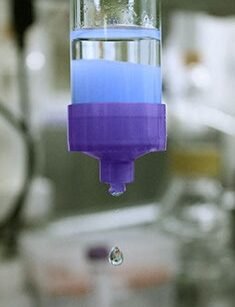
Blood is drawn from the patient and processed in a centrifuge to concentrate platelets. This process takes about 15-20 minutes, after which the PRP is prepared for injection.
Injection Procedure
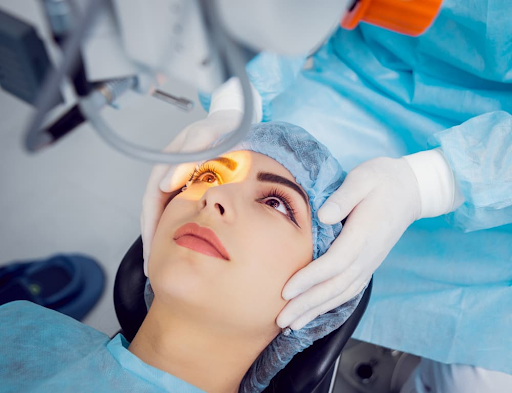
The PRP is injected into targeted areas of the scalp using fine needles. The procedure is relatively quick, typically lasting about 30-45 minutes, and involves minimal discomfort.
Post-Treatment Care
Patients are advised to avoid strenuous activities immediately after the session and may experience mild scalp sensitivity. Results typically become noticeable after a few months, with improvements continuing over time.
Expected Outcomes and Maintenance
Visible Improvements
Most patients observe increased hair density and improved hair quality within three to six months. Continued sessions help maintain and enhance these results.
Long-Term Benefits
Regular PRP treatments can slow the progression of hair loss, maintain hair density, and promote ongoing hair growth, making it a sustainable long-term solution.
Lifestyle and Hair Care
To maximize results, individuals are encouraged to adopt healthy hair care practices and avoid damaging behaviors like excessive heat styling or harsh chemical treatments.
FAQs About PRP Hair Treatment Abu Dhabi
Q1: How many sessions are typically needed to see results?
A: Most individuals require a series of 3-4 sessions spaced about 4-6 weeks apart, with maintenance treatments scheduled every 6-12 months.
Q2: Is PRP suitable for all types of hair loss?
A: PRP is most effective for androgenetic alopecia (pattern baldness) and early-stage thinning but may be less effective for scarring or advanced baldness.
Q3: How long do the results from PRP last?
A: Results can last between 12 to 18 months, but ongoing treatments help sustain and improve hair density.
Q4: Can PRP therapy be combined with other hair restoration methods?
A: Yes, PRP often complements other treatments such as medication or laser therapy, providing a comprehensive approach to hair health.
Conclusion
PRP Hair Treatment offers a natural, effective way to slow ongoing hair loss and promote healthy hair growth. By stimulating dormant follicles, strengthening existing hairs, and improving scalp health, PRP therapy addresses the root causes of hair thinning. For individuals seeking a minimally invasive solution that encourages natural regrowth, PRP Hair Treatment in Abu Dhabi provides a promising option to restore confidence and hair vitality.
















Leave a Reply