

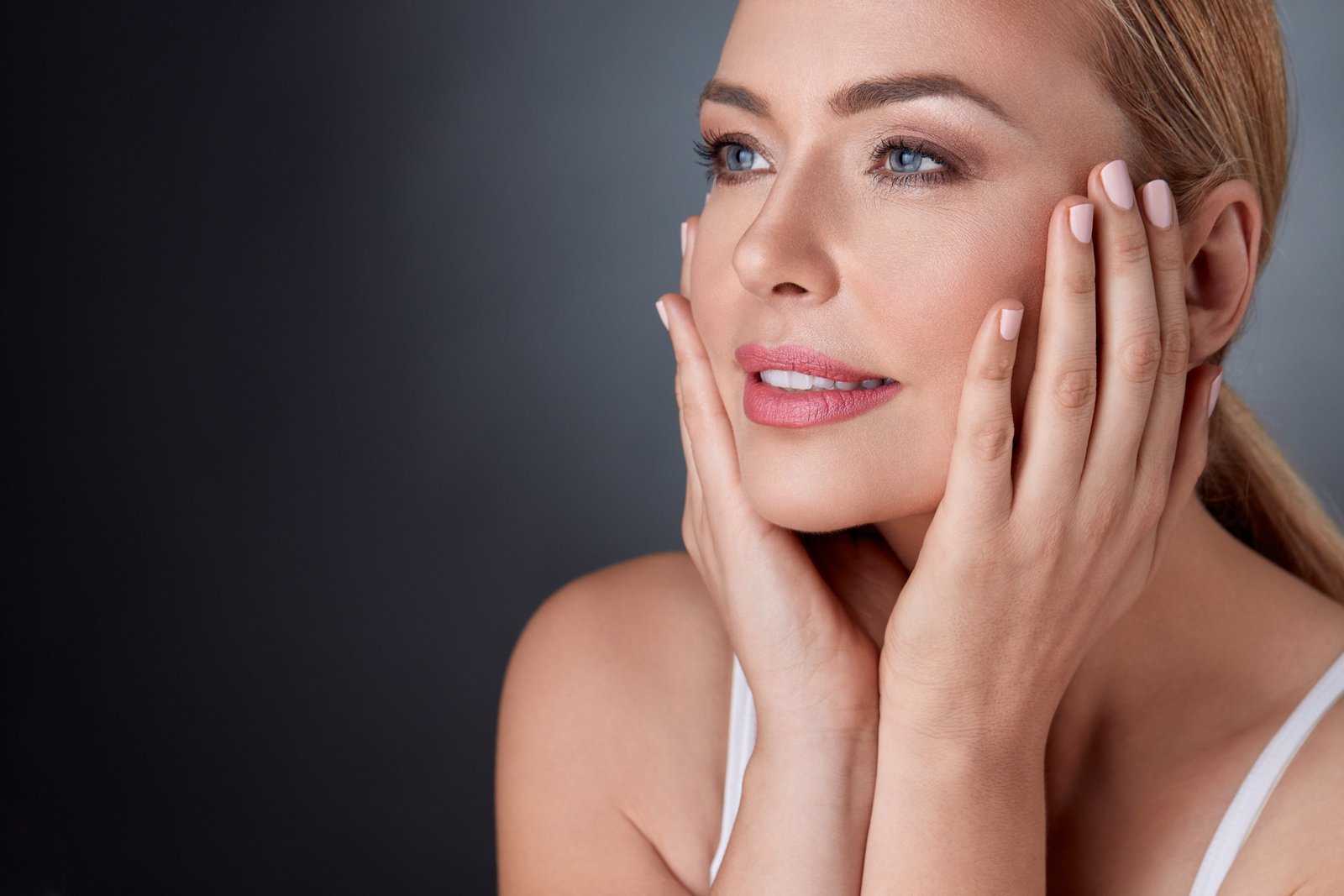
Maintaining a youthful facial contour is a priority for many individuals seeking aesthetic refinement. Among the various solutions available, hyaluronic acid-based injectables have become a cornerstone of modern cosmetic care. These treatments offer a non-surgical pathway to restore lost volume, particularly in the midface and cheek areas. For those exploring Restylane Lyft in Abu Dhabi, understanding the science behind its durability and how it interacts with facial anatomy is essential for managing expectations and planning a long-term rejuvenation strategy.
- Restylane Lyft is a robust hyaluronic acid filler designed for deep tissue support.
- Longevity is a primary concern for patients looking for sustainable aesthetic results.
- Environmental and biological factors influence how the body processes the gel.
- Modern techniques emphasize natural-looking volume that moves with facial expressions.
The Science of Hyaluronic Acid Durability
Hyaluronic acid (HA) is a naturally occurring molecule in the skin that retains moisture and provides structural integrity. In aesthetic treatments, HA is cross-linked to create a gel that can withstand the mechanical pressures of facial movement. The specific technology used in Restylane Lyft creates a firmer, more granular texture compared to its sister products, which allows it to provide significant “lift” in areas like the cheeks and midface.
- Cross-linking technology determines how slowly the body resorbs the filler.
- Firmness is required for fillers placed in deeper dermal layers to resist displacement.
- Biological integration allows the filler to provide immediate volume and gradual refinement.
- The gel acts as a scaffold, supporting the skin’s surface to smooth deep-seated folds.
How Long Does Restylane Lyft Last on the Face?
The duration of results typically ranges from 6 to 18 months, depending on several variables. Because this specific formulation is denser than standard fillers, it is often utilized in areas with less muscle movement, which naturally extends its lifespan. While some patients may see a gradual reduction in volume after 9 months, others retain significant contouring for over a year.
- Cheek augmentation results often persist for 12 months or longer.
- Nasolabial fold corrections generally remain visible for 6 to 12 months.
- First-time users may metabolize the product slightly faster than repeat patients.
- Cumulative benefits often occur with consistent, scheduled maintenance sessions.
Factors Influencing Treatment Longevity
Individual biology plays a significant role in how long a dermal filler remains effective. Metabolism is perhaps the most critical internal factor; individuals with high metabolic rates, such as athletes, may find that their bodies break down the hyaluronic acid gel more rapidly. Additionally, the depth of the injection and the specific facial zone treated will dictate the rate of degradation.
- High-mobility areas (like the mouth) cause faster breakdown due to constant movement.
- Deeper injections into the midface tend to last longer than superficial applications.
- Lifestyle factors, including sun exposure and hydration, impact skin health and filler stability.
- Age-related bone and fat loss can alter how the filler appears over time.
The Role of Treatment Areas in Sustainability
The “lift” provided by this treatment is dually indicated for the cheeks and the backs of the hands, though facial applications are the most common. In the midface, where the skin is thicker and the underlying structure provides a solid base, the filler is shielded from the rapid mechanical wear found in the lips or perioral region. This structural advantage is why patients often experience extended results when targeting the cheekbones.
- Midface volume restoration provides a “lifting” effect on the lower face.
- Structural support in the cheeks can last up to 15 months in optimal conditions.
- Precision placement ensures the filler stays within the intended anatomical compartment.
- Combining facial zones can create a balanced, holistic rejuvenation that ages gracefully.
Maintaining Your Aesthetic Results
To maximize the lifespan of a volumizing treatment, aesthetic experts recommend a proactive approach to skin health. Maintaining hydration and protecting the skin from UV damage helps preserve the integrity of both the natural dermal matrix and the injected HA gel. Many practitioners suggest “refresh” sessions before the product has completely dissipated to maintain a consistent look.
- Using high-SPF sunscreen prevents UV rays from accelerating HA degradation.
- Medical-grade skincare supports the skin’s barrier and enhances filler appearance.
- Follow-up appointments at the 9-month mark can help sustain peak volumization.
- Hydrated skin provides a better environment for the HA gel to retain its shape.
Evolutionary Benefits of Repeat Treatments
One of the most interesting aspects of long-term filler use is the potential for collagen stimulation. Research suggests that the presence of hyaluronic acid fillers may encourage the body’s natural production of collagen in the treated areas. Over time, this means that some patients may require less product or fewer frequent visits to achieve the same aesthetic goals.
- Mechanical stretching of the skin cells may trigger a healing response.
- Long-term users often report improved skin quality in the injection zones.
- Successive treatments build upon the existing structural foundation.
- The goal transitions from “restoration” to “maintenance” as the skin adapts.
Why Professional Expertise Matters for Longevity
The technique used during the procedure is just as important as the product itself. An experienced provider understands facial anatomy and the precise layers where the filler must be placed to ensure it provides support without migrating. Proper placement not only ensures a natural look but also ensures the filler is positioned in a way that minimizes metabolic breakdown.
- Aesthetic harmony is achieved through an understanding of facial proportions.
- Proper depth of injection is vital for the “lift” characteristic of the product.
- Knowledge of vascular anatomy ensures the procedure is conducted safely and effectively.
- Customized treatment plans account for individual facial dynamics and aging patterns.
Frequently Asked Questions
Can I combine this filler with other facial treatments? Yes, it is common to integrate dermal volumizers with other non-surgical options to address different layers of aging. While fillers address volume loss, other treatments may target fine lines or skin texture, resulting in a more comprehensive and balanced rejuvenation.
Will my face return to its original state once the filler dissolves? Dermal fillers are temporary and will eventually be naturally resorbed by the body. Once the product is gone, the treated area will gradually return to its pre-treatment state, though many patients find that their skin quality remains slightly improved due to the hydration and collagen support provided by the HA.
Is the result of the treatment visible immediately? The volumizing effects are typically noticeable right after the procedure. However, the final “settled” look is usually achieved after a few days once the gel has fully integrated with the surrounding tissues and any minor post-procedure fullness has subsided.
How does metabolism affect my results? Individuals with a faster metabolism or those who engage in intense physical activity may process the hyaluronic acid gel more quickly than others. This is a natural biological variation and is one of the reasons why the duration of results can vary significantly between different people.














Leave a Reply