

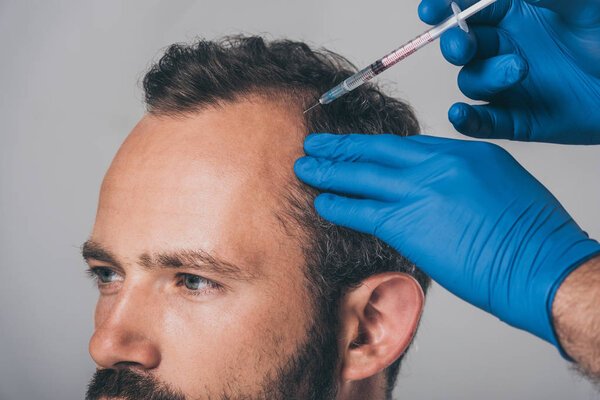
In the evolving world of regenerative medicine, the quest for non-surgical hair restoration has led many to discover the potential of Platelet-Rich Plasma. This therapy, which leverages the body’s own biological resources to stimulate healing, has become a cornerstone for those seeking to address thinning and hair loss naturally. When considering modern solutions like PRP Hair Treatment in Abu Dhabi, it is essential to understand the science, the process, and the realistic outcomes that patients can expect in today’s clinical landscape.
Understanding the Science of Platelet-Rich Plasma
The effectiveness of this treatment lies in the concentration of platelets found in human blood. Platelets are not just clotting agents; they are reservoirs of growth factors and bioactive proteins. These components are vital for tissue repair and cellular regeneration. In a concentrated form, these platelets act as a “biostimulator” when introduced back into the scalp.
- Growth Factor Power: Platelets release proteins like VEGF (Vascular Endothelial Growth Factor) and PDGF (Platelet-Derived Growth Factor).
- Follicle Activation: These factors signal dormant hair follicles to transition from the resting phase back into the active growth phase.
- Vascular Support: The treatment encourages the formation of new blood vessels, ensuring that follicles receive a steady supply of oxygen and nutrients.
- Cellular Proliferation: It stimulates the cells at the base of the hair follicle, known as dermal papilla cells, which are crucial for hair thickness.
The Procedural Journey: What to Expect
The modern application of this therapy is a streamlined, three-step process designed to maximize the viability of the growth factors. Because the treatment uses the patient’s own blood, the biological compatibility is absolute, making it a preferred choice for those wary of synthetic chemicals or invasive surgeries.
Step 1: The Collection
The process begins with a standard blood draw, typically from the arm. This is no different from a routine medical check-up, ensuring the patient’s comfort throughout the initial phase.
Step 2: Centrifugation and Concentration
The collected blood is placed in a specialized machine called a centrifuge. This device spins at high speeds to separate the blood into distinct layers: red blood cells, platelet-poor plasma, and the “liquid gold”—platelet-rich plasma. This step is critical because it concentrates the platelets to levels significantly higher than what is found in the normal bloodstream.
Step 3: Targeted Application
The concentrated plasma is then carefully administered into the areas of the scalp where thinning or hair loss is most prominent. Modern techniques often involve fine needles or specialized delivery systems to ensure the growth factors reach the precise depth of the hair follicles.
Who Benefits Most from This Treatment?
While regenerative therapy is powerful, its effectiveness is often tied to the “stage” of hair loss. It is most successful when used as an early intervention tool rather than a solution for total baldness.
Early Thinning and Hair Fall
Individuals noticing a widening part line or increased shedding often see the most dramatic results. At this stage, the follicles are still active but “miniaturized”—producing thinner, shorter hairs. The growth factors work to reverse this miniaturization.
Androgenetic Alopecia
This is the most common cause of hair loss in both men and women. Research indicates that this therapy can effectively counteract the hormonal signals that cause follicles to shrink over time, helping to maintain existing hair density.
Post-Restoration Support
Many individuals use this treatment as a complementary procedure following other hair restoration methods. It helps in nurturing the scalp environment and supporting the vitality of existing hair.
Measuring Effectiveness: Realistic Timelines and Results
One of the most important aspects of modern hair restoration is managing expectations. Hair growth is a biological process that takes time; therefore, results are never instantaneous.
- The First Few Months: Initially, many patients report a significant decrease in daily hair shedding. This “stabilization” phase is the first sign that the follicles are responding.
- 3 to 6 Months: Visible changes in hair texture and thickness usually begin to appear during this window. The hair may feel “denser” to the touch.
- The 6 to 12 Month Mark: This is typically when the peak results are observed. Increased scalp coverage and improved hair quality become more apparent.
- Maintenance: Because the underlying causes of hair loss (like genetics) persist, periodic maintenance sessions are usually recommended every few months to sustain the rejuvenated state of the follicles.
Advantages of the Modern Approach
The surge in popularity for this treatment isn’t just about hair growth; it’s about the convenience and safety of the modern medical approach.
Minimally Invasive Nature
Unlike surgical options, there are no incisions, stitches, or long recovery periods. Most people can return to their daily routines immediately after their appointment.
Natural Biocompatibility
Since the treatment utilizes the patient’s own blood, there is no risk of allergic reactions or rejection. This makes it a “pure” form of therapy that works in harmony with the body’s natural healing systems.
Versatility
It can be used as a standalone treatment or in combination with topical solutions and light therapies. This “multimodal” approach is often what leads to the highest levels of patient satisfaction in modern clinics.
Reference and Professional Standards
When seeking such treatments, the quality of the laboratory equipment and the expertise of the practitioners are paramount. Facilities like the Enfield Royal Clinic Abu Dhabi represent the standard of care expected in the region, utilizing advanced centrifugation technology to ensure the highest possible concentration of active platelets. Choosing a reputable environment ensures that the biological integrity of the plasma is maintained throughout the process.
Frequently Asked Questions
How many sessions are typically required?
Most clinical protocols recommend an initial series of 3 to 4 sessions, spaced about a month apart. This helps “jump-start” the regenerative process before moving into a less frequent maintenance phase.
Is there any downtime after the procedure?
There is virtually no downtime. Most individuals can wash their hair the next day and resume exercise or work immediately, though it is often advised to avoid harsh chemical treatments (like hair dye) for a few days.
Can this treatment be used by both men and women?
Yes, it is highly effective for both genders. It specifically addresses female pattern thinning and male pattern baldness by revitalizing dormant follicles regardless of the patient’s gender.
How does this differ from standard hair loss medications?
While medications often work by blocking hormones or increasing blood flow through chemicals, this therapy uses concentrated growth factors to biologically repair and strengthen the follicle cells directly.

















Leave a Reply