

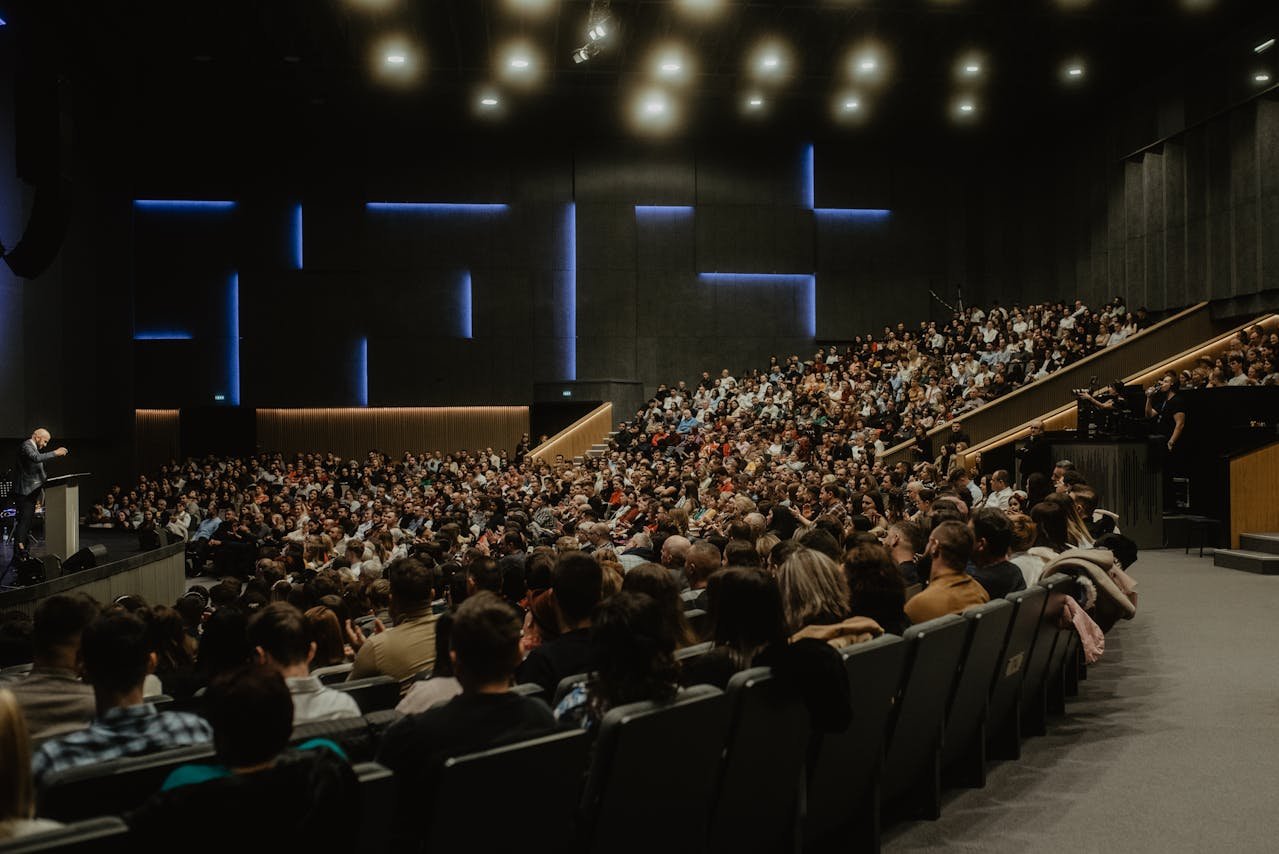
Huge conferences do not just fall into place. Behind all the seamless registration desk, perfectly timed keynote and seamless breakout session, an elaborate plan is run by an expert corporate event planner. These experts must work with dozens of moving parts simultaneously, and in many cases, under tight deadlines and expectations. The process of organising a large conference involves structure, vision, and problem-solving at all times, starting with the strategy and all the way to the execution. If you want to know more, then this post is for you.
Defining the Purpose and Scope
A corporate event planner should begin with the definition of the purpose of the conference. Is it the goal of lead generation, internal training, brand positioning, or industry thought leadership? Each decision is guided by the answer.
After the goal is defined, the planner describes the scope. This involves projected attendance, the duration of the event, the venue, type (in-person, virtual, or hybrid), and budgeting range. Conferences may include hundreds or thousands of people, and therefore, it is important to be clear at the beginning of the process to avoid expensive changes in the future.
In this step, planners also determine some of the key stakeholders. These can be the executives, sponsors, speakers, and marketing teams. Clear communication lines are established such that approvals and decisions do not slow down the proceedings.
Budgeting and Financial Control
One of the most important tasks of a corporate event planner is financial management. Big conferences have six- or seven-figure budgets, and even minor mistakes can have a significant impact.
The categories of the budget that planners divide include venue, catering, audiovisual production, staffing, marketing, travel, and contingency funds. Each cost is monitored, bargained, and inspected. Vendors are procured based on a strategic basis, and the planners trade off cost, reliability and quality.
Experienced planners also put in buffer funds. There are usually some unplanned expenses, such as the need to install extra security measures or buy new equipment at the last minute. Effective financial management ensures that the event is profitable and stress levels are manageable.
Venue and Logistics
Selecting a suitable venue is not just about renting a big room. An event planner for a corporation considers the accessibility, capacity, layout, technical infrastructure, and accommodations surrounding the event. In the case of large-scale conferences, the venue has to accommodate more than one session simultaneously, and the audiovisual needs may be complicated.
Venue selection is followed by logistics planning. This involves room assignments, signage, flow of people, compliance with accessibility, and emergency planning. Load-in and load-out schedules are planned to prevent delays. Even such minor details as power supply, Wi-Fi strength, and storage space are thought over long beforehand.
Logistics in transportation are also taken into account, particularly in the case of destination conferences. Planners organise the shuttle schedules, parking plans and the arrival flows to ensure attendees move efficiently.
Speaker and Program Management
The primary focus of a successful conference is a good agenda. Corporate event planners collaborate with speakers and content teams to create a program that optimises the goals and needs of the event and its audience.
It involves finding keynote speakers, breakout sessions, deadlines, and presenting rehearsals. Timers produce comprehensive run-of-show documents that show minute-by-minute timing. This guarantees that sessions begin and end at the right time, and this is essential when various tracks are used.
Another significant task is speaker logistics. The planning team takes care of travel, accommodation, stage needs, and on-site support. Speakers also perform better on stage when they are supported.
Vendor and Team Coordination
Big events depend on numerous suppliers, including caterers and audio-visual services as well as security systems, decorators, and registration personnel. A corporate event planner is the focal point of contact who coordinates timelines, deliverables and expectations.
A set of clear contracts and production schedules keeps everyone in line. Periodic check-ins assist in the early detection of problems. During event days, planners ensure personnel assignments and communication in such a way that issues can be addressed as they arise without causing a disruption to the experience of the attendee.
This requires good leadership. The planner should remain composed, make decisions quickly and keep the teams on track even when plans are shifted.
Attendee Experience and Engagement
Effective conferences are not simply well-structured; they are fun and to be remembered. Corporate event planners determine the attendee experience. This involves registration systems, check-in flow, navigation of sessions and networking opportunities.
Technology plays a big role. Digital schedules, event apps, live polling and engagement tools are frequently combined to enhance participation. Other comfort factors such as the quality of food, seating arrangements and timing of breaks are also taken into consideration by planners.
All touchpoints are checked in the light of the attendee. The good experience raises satisfaction, retention, and brand trust.
Risk Management and Problem Solving
No big thing is executed perfectly. An adept company event planner anticipates problems before they occur. Risk management plans include weather disruption, technical failure, cancellation of speakers, and health and safety issues.
Planners observe operations on-site. They adjust easily when things go amiss, and in most cases, attendees may not notice. It is this capacity to solve problems when pressure is on that distinguishes good planners and great planners.
Post-Event Evaluation
When the conference is over, the work does not end. Corporate event planners do post-event evaluation to gauge the success against the initial objectives. This involves examination of attendance records, attendance engagement data, budgetary performance, and attendee review.
These lessons are leveraged to make future events better and show stakeholders the payoff. A documented post-event report adds long-term value on top of the conference.
Conclusion
Running a big event is a complicated affair, which requires planning, innovativeness, and stamina. All these skills are combined by a professional corporate event planner who makes sure that all details are aligned towards the objective of the event. Their contribution is indispensable to the transformation of brilliant conference concepts into efficient, smooth experiences of implementation and review.

















Leave a Reply