


Sustainable farming depends on healthy soil. When soil is managed well, farms can produce strong crops while protecting the land for the future. In recent years, many farmers have turned to a soil carbon company to help improve the quality and reduce environmental impact. These companies focus on increasing carbon stored in the soil, which benefits both agriculture and the environment.
A soil carbon company works with farmers to improve soil health through long-term strategies. Instead of short-term fixes, the goal is to build soil systems that remain productive and resilient for years. This approach supports sustainable farming practices that benefit crops, land, and surrounding ecosystems.
Understanding the Role of a Soil Carbon Company
A company helps farmers manage and increase the amount of carbon stored in their soil. Soil carbon plays a key role in fertility, water retention, and soil structure. When carbon levels rise, soil becomes more productive and stable.
These companies analyze soil conditions, monitor carbon levels, and guide farmers on better land management practices. The focus is on creating systems that improve soil performance while reducing harm to the environment.
Improving Soil Health Through Carbon Storage
Carbon stored in soil improves its overall health. It helps soil hold nutrients, supports beneficial microorganisms, and improves root development. A company helps farmers adopt practices that increase organic matter, which is closely linked to soil carbon.
Healthier soil supports crops that grow stronger and resist stress better. Over time, this leads to higher yields and more consistent production without damaging the land.
Encouraging Sustainable Land Management Practices
Sustainable farming requires careful land management. A soil carbon company promotes practices that protect from erosion, compaction, and nutrient loss. These practices include reduced tillage, cover cropping, and diverse crop rotations.
By limiting soil disturbance, carbon remains stored underground rather than released into the air. This not only improves soil quality but also helps reduce greenhouse gas emissions. Farmers benefit from healthier land and more reliable harvests.

Supporting Long-Term Productivity
Short-term farming methods often focus on quick results, but they can weaken soil over time. A soil carbon company encourages a long-term approach that builds soil strength year after year.
As soil carbon increases, soil structure improves. Water infiltration becomes more efficient, and roots can grow deeper. These improvements lead to better crop performance even during dry or challenging seasons. Over time, farms become more productive and less dependent on chemical inputs.
Enhancing Water Retention and Soil Stability
Water management is a major challenge in agriculture. Soils with low carbon content struggle to hold moisture, leading to runoff and drought stress. A company helps farmers improve water retention by increasing organic matter in the soil.
Carbon-rich soil acts like a sponge, holding water and releasing it slowly to plant roots. This reduces irrigation needs and protects crops during dry periods. Improved soil stability also reduces erosion, protecting valuable topsoil.
Supporting Environmental Responsibility
Sustainable farming goes beyond crop production. It also involves protecting air, water, and the surrounding land. A soil carbon company supports environmental responsibility by helping farms reduce their carbon footprint.
By storing more carbon in the soil, less carbon enters the atmosphere. This helps reduce climate-related risks while improving soil performance. Farmers who work with a soil carbon company often become part of broader efforts to protect natural resources.
Providing Data and Ongoing Monitoring
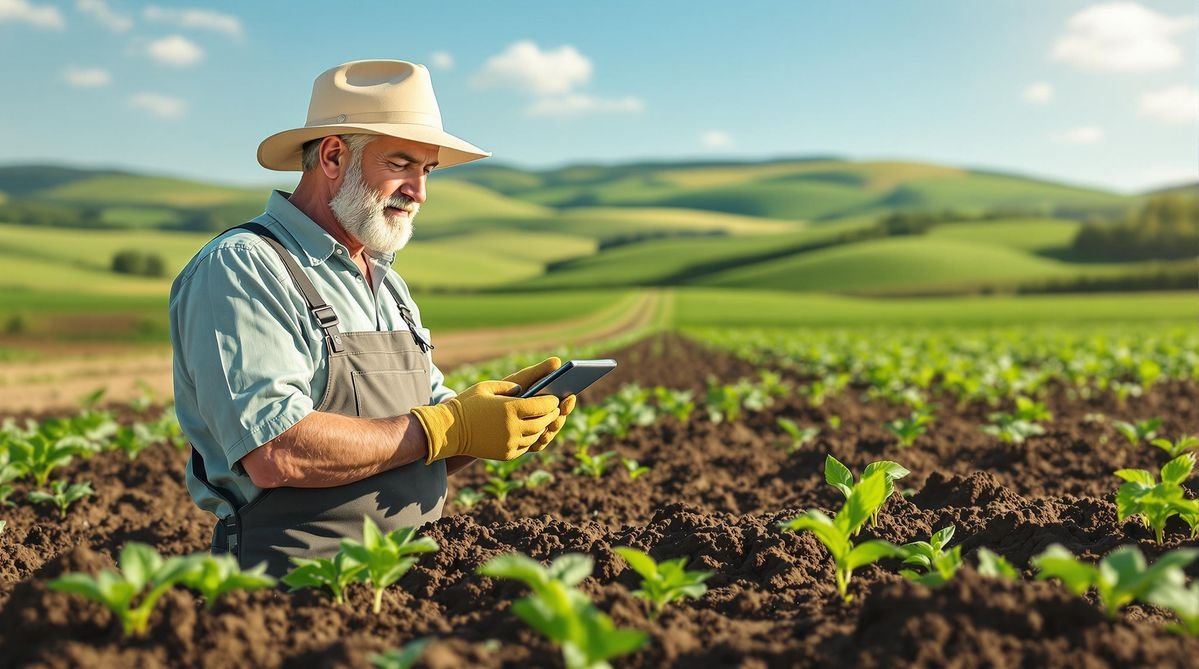
Accurate data is essential for sustainable farming. A soil carbon company uses soil testing and monitoring tools to track changes in carbon levels over time. This data helps farmers understand how their practices affect soil health.
Ongoing monitoring allows adjustments when needed. Farmers can see real results from their efforts and continue improving soil management. This data-driven approach supports better decision-making and long-term success.
Helping Farmers Reduce Input Costs
Healthy soil reduces the need for heavy fertilizer and pesticide use. A soil carbon company helps farmers rely more on natural soil processes. As soil biology improves, nutrients become more available to plants.
Lower input costs mean higher profitability over time. Farmers save money while maintaining or improving crop yields. This balance between productivity and cost control is key to sustainable farming.
Strengthening Farm Resilience
Climate change and weather extremes present ongoing challenges. A soil carbon company helps farms build resilience by improving soil structure and organic content.
Carbon-rich soil responds better to heavy rain, heat, and drought. Crops grown in healthy soil are stronger and more adaptable. This resilience helps farms continue operating successfully despite changing conditions.
Supporting the Future of Agriculture
The future of farming depends on sustainable practices that protect soil and resources. A soil carbon company plays an important role in this transition by helping farmers build healthier soil systems.
By focusing on soil carbon, these companies support productive farms that can meet food demands while protecting the environment. This approach ensures that agriculture remains viable for future generations.
Conclusion
A soil carbon company supports sustainable farming practices by improving soil health, increasing carbon storage, and promoting responsible land management. These efforts lead to stronger crops, lower costs, and healthier ecosystems.
By working with a soil carbon company, farmers invest in long-term productivity and environmental care. The result is farming that benefits both the land and the people who depend on it, now and in the future.
























Leave a Reply