

Electricity is an important part of modern life. We rely on power for lighting, communication, cooking, and many daily activities. However, during emergencies such as storms, natural disasters, or grid failures, electricity can stop for hours or even days. In these situations, having a reliable backup power source becomes very important. One practical solution is a portable wind turbine. This small and mobile energy device can generate electricity using natural wind and help keep essential appliances running when the main power supply is unavailable.
Understanding a Portable Wind Turbine
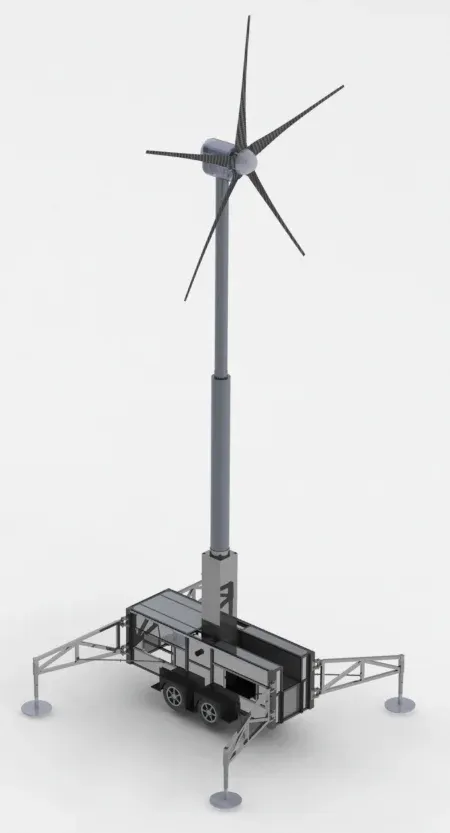
A portable wind turbine is a compact device designed to produce electricity from wind energy. Unlike large wind turbines that are fixed in wind farms, this type of turbine is lightweight and easy to move. It usually includes blades, a generator, a mounting stand or pole, and a controller that regulates the power output.
When wind blows, the turbine blades rotate. This movement turns the generator inside the device, which produces electricity. The generated power can be stored in batteries or used directly to run small electrical devices. Because the turbine is portable, it can be installed quickly in open areas such as a backyard, rooftop, or campsite.
Why Power Outages Happen During Emergencies
Power outages are common during severe weather conditions. Strong winds, heavy rain, floods, and snowstorms can damage electrical lines and power stations. In some cases, authorities also shut down electricity intentionally to prevent further damage or accidents.
During these emergencies, homes can face several challenges. Without electricity, refrigerators stop working, communication devices lose battery power, and lighting becomes limited at night. Heating and cooling systems may also stop functioning. This is why many homeowners are now exploring renewable backup energy solutions like a portable wind turbine.
Benefits of Using a Portable Wind Turbine During Emergencies
One of the main advantages of a portable wind turbine is its ability to generate energy without fuel. Unlike gasoline generators, wind turbines do not require fuel storage or regular refilling. As long as there is wind, the turbine can continue producing electricity.
Another benefit is portability. Because the turbine is lightweight and compact, it can be stored easily when not in use and quickly deployed during emergencies. Some models are designed to fold or disassemble, making them convenient for storage and transport.
A portable wind turbine is also environmentally friendly. It produces clean energy without releasing harmful gases or noise pollution. This makes it a safer and more sustainable option for households that want to reduce their environmental impact.
In addition, wind turbines can operate both day and night. Unlike solar panels that depend on sunlight, wind turbines can generate power even after sunset if the wind continues to blow.
How a Portable Wind Turbine Powers Essential Home Devices
During an emergency, a portable wind turbine can provide electricity for essential devices. While it may not power an entire house like the main grid, it can support important equipment that keeps the household functioning.
For example, the electricity generated by the turbine can charge batteries that power LED lights, mobile phones, radios, and laptops. These devices are important for communication and staying informed during emergencies.
Some systems can also run small appliances such as fans, routers, or portable refrigerators. In cold climates, the generated power can help operate small heaters or maintain communication systems.
Many homeowners combine a portable wind turbine with a battery storage system. The turbine charges the batteries when wind is available, and the stored energy can be used later when needed.
Setting Up a Portable Wind Turbine at Home
Installing a portable wind turbine is usually simple compared to large wind energy systems. Most models come with a mounting pole or tripod stand. The turbine should be placed in an open area where wind flows freely, such as a rooftop, backyard, or elevated location.
It is important to ensure that the turbine is securely mounted to avoid damage during strong winds. The system is usually connected to a charge controller that regulates electricity before it flows into a battery storage unit.
Once installed, the system begins generating power whenever wind speed is sufficient. Many modern turbines include monitoring features that allow users to track power production.
Combining Wind Power with Other Backup Energy Sources
Although a portable wind turbine can be very helpful during emergencies, combining it with other energy solutions can improve reliability. For example, some homeowners use both wind turbines and solar panels. Solar panels generate power during the day, while wind turbines may produce electricity at night or during cloudy weather.
Battery storage also plays a key role in this setup. Batteries store excess electricity produced by the turbine and provide power when wind speed drops. This combination creates a more stable and dependable emergency power system.
Important Factors to Consider Before Buying
Before purchasing a portable wind turbine, homeowners should consider several factors. Wind availability is one of the most important aspects. Areas with regular wind flow will benefit more from wind power systems.
The turbine’s power capacity is another key factor. Different models produce different amounts of electricity depending on their size and design. Choosing the right capacity depends on the number of devices you want to power during emergencies.
Durability and build quality should also be evaluated. Since the turbine will operate outdoors, it should be made from strong materials that can withstand changing weather conditions.
Noise level is another consideration. While most small turbines are quiet, it is still important to choose a model designed for residential use.
The Role of Portable Wind Turbines in Emergency Preparedness
Emergency preparedness is becoming more important for households around the world. Climate change, severe storms, and aging power infrastructure have increased the risk of unexpected outages. Renewable energy technologies provide new ways to improve resilience.
A portable wind turbine is one of the most practical tools for emergency power generation. It is easy to store, quick to set up, and capable of producing electricity whenever wind is available. For families who want a clean and reliable backup energy option, this device can play a valuable role in their emergency plan.
Conclusion
Power outages during emergencies can disrupt daily life and create serious challenges for households. Having a backup energy source helps maintain comfort, safety, and communication when the main power grid fails. A portable wind turbine offers a simple and renewable way to generate electricity during these situations.
By converting natural wind into usable energy, this small device can power essential home equipment and support emergency needs. When combined with battery storage or other renewable systems, a portable wind turbine becomes an effective solution for reliable and sustainable backup power.










Leave a Reply