HCL Storage Tank for Safe and Efficient Acid Containment
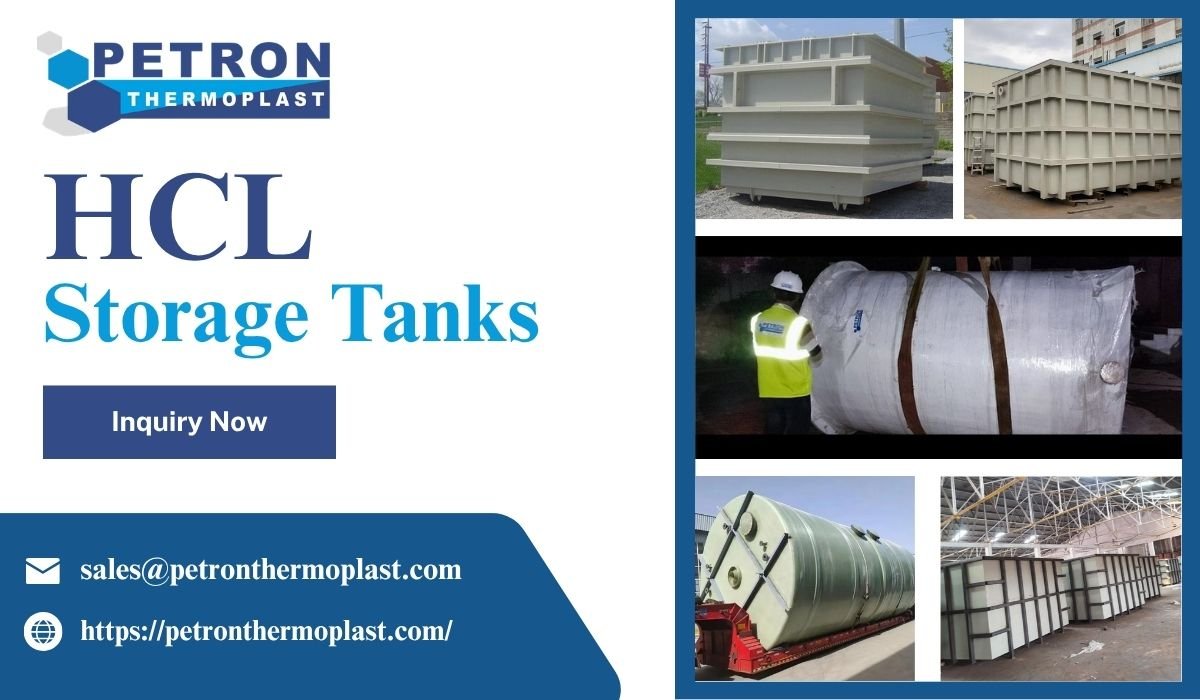
HCL Storage Tank
Hydrochloric acid (HCl) is extensively used across industrial sectors such as chemical processing, steel pickling, water treatment, pharmaceuticals, and textile manufacturing. Its highly corrosive and reactive nature requires specialized storage systems engineered for safety, durability, and operational efficiency. An HCL storage tank designed for safe and efficient acid containment ensures secure handling, prevents leakage, and maintains long-term performance under aggressive conditions.
This technical overview outlines the critical design parameters, material selection, safety features, and performance benefits of HCL storage tanks in industrial applications.
Chemical Characteristics of Hydrochloric Acid
Understanding the properties of HCl is essential for designing effective storage systems.
Key Properties
- Strong inorganic acid with high corrosivity
- Reacts with metals, producing hydrogen gas
- Releases acidic fumes (HCl vapors)
- Typically stored in concentrations ranging from 20% to 37%
- Density: ~1.18 g/cm³ (depending on concentration)
Storage Challenges
- Rapid corrosion of metallic surfaces
- Vapor emission and environmental exposure
- Risk of leakage and chemical burns
- Structural degradation over time
These challenges necessitate the use of corrosion-resistant materials and advanced tank designs.
Materials for HCL Storage Tanks
Material selection is a primary factor in ensuring chemical compatibility and structural integrity.
FRP (Fiber Reinforced Plastic)
- Excellent resistance to hydrochloric acid
- High strength-to-weight ratio
- Suitable for large-capacity tanks
- Customizable configurations
HDPE (High-Density Polyethylene)
- Good resistance to HCl
- Flexible and impact-resistant
- Suitable for moderate temperature applications
PP (Polypropylene)
- High chemical resistance
- Suitable for industrial storage and handling
PVDF (Polyvinylidene Fluoride)
- Superior resistance to aggressive chemicals
- High temperature stability
- Suitable for high-purity applications
Each material is selected based on acid concentration, temperature, and operational conditions.
Design Considerations for Safe Containment
Structural Design
- Reinforced tank walls to withstand hydrostatic pressure
- Ribbed or stiffened structures for large tanks
- Resistance to mechanical stress and deformation
Tank Configuration
- Vertical tanks for space efficiency
- Horizontal tanks for transport and limited height areas
- Custom geometries based on plant layout
Internal Surface Finish
- Smooth surfaces to prevent chemical buildup
- Reduced risk of contamination
- Easier cleaning and maintenance
Venting and Pressure Control
- Vent systems to release HCl vapors
- Pressure relief valves for safety
- Scrubber integration for emission control
Key Safety Features
Leak-Proof Construction
- Seamless fabrication methods
- High-quality welding and joints
- Use of compatible gaskets and seals
Secondary Containment
- Bund walls or containment basins
- Prevents environmental contamination
- Complies with safety regulations
Level Monitoring Systems
- Float or electronic level sensors
- Prevents overfilling
- Enables real-time monitoring
Chemical Compatibility
- Materials selected for specific acid concentrations
- Resistance to long-term exposure
Safety Accessories
- Emergency vents
- Overflow protection
- Access ladders and platforms
Technical Specifications
Typical HCL storage tank specifications include:
- Capacity: 500 liters to 100,000+ liters
- Operating Temperature: Ambient to moderate temperatures
- Wall Thickness: Designed as per load and chemical properties
- Pressure: Atmospheric or low-pressure storage
- Standards: ASTM, ISO, DIN
Manufacturing Process
Material Preparation
- Selection of high-quality raw materials
- Pre-treatment for enhanced performance
Fabrication Techniques
- Filament winding for FRP tanks
- Rotational molding for HDPE tanks
- Thermoplastic welding for PP and PVDF tanks
Quality Assurance
- Hydrostatic testing
- Leak detection tests
- Dimensional inspection
- Chemical resistance verification
Applications in Industrial Sectors
Chemical Processing Plants
Used for storage and transfer of hydrochloric acid in production systems.
Steel and Metal Industry
Used in pickling processes for removing oxides and scale.
Water Treatment Facilities
Used for pH adjustment and chemical dosing.
Pharmaceutical Industry
Used in controlled chemical storage systems.
Textile and Dyeing Industry
Used in processing and treatment operations.
Advantages Over Conventional Storage Systems
| Parameter | HCL Storage Tank | Metal Tank |
| Corrosion Resistance | Excellent | Poor |
| Maintenance | Low | High |
| Service Life | Long | Short |
| Safety | High | Moderate |
Installation Guidelines
Site Preparation
- Stable and level foundation
- Adequate clearance for maintenance
Piping Integration
- Use compatible piping materials
- Ensure leak-proof connections
Safety Setup
- Install secondary containment systems
- Provide ventilation and exhaust systems
- Ensure accessibility for inspection
Maintenance and Inspection
Routine Maintenance
- Visual inspection for cracks or deformation
- Checking joints and fittings
- Cleaning internal surfaces
Periodic Testing
- Leak testing
- Structural integrity checks
- Monitoring of chemical compatibility
Compliance and Standards
HCL storage tanks must comply with:
- ISO 9001 for quality management
- ASTM standards for materials
- Environmental and safety regulations
Customization Options
Manufacturers provide tailored solutions:
- Custom tank sizes and capacities
- Specialized linings and coatings
- Integration with automation systems
- Additional safety features
Environmental and Safety Benefits
- Prevention of chemical leakage
- Reduced environmental impact
- Safe handling of hazardous substances
- Compliance with regulatory standards
Role in Industrial Operations
HCL storage tanks are essential for:
- Safe storage of corrosive chemicals
- Continuous process operations
- Efficient material handling
- Risk reduction in industrial environments
Conclusion
HCL storage tanks designed for safe and efficient acid containment provide a reliable solution for handling one of the most corrosive industrial chemicals. With advanced materials, robust construction, and integrated safety features, these tanks ensure secure storage, minimal maintenance, and long service life.
Their ability to resist corrosion, prevent leakage, and comply with international standards makes them indispensable in industries such as chemical processing, water treatment, and manufacturing. By investing in high-quality HCL storage tanks, industries can enhance operational safety, reduce risks, and achieve efficient acid containment in demanding industrial applications.
About The Author