

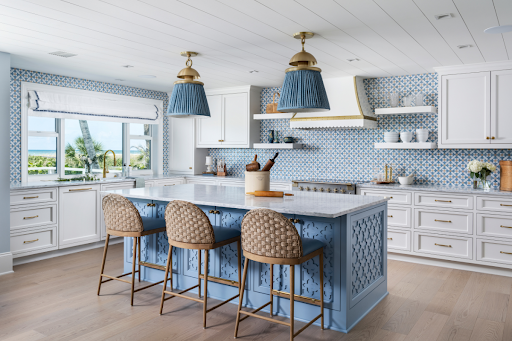
Creating cabinets that perfectly fit your space requires careful planning and skilled execution. The journey from initial idea to finished installation involves multiple stages. Each step builds upon the previous one to create exceptional results.
Understanding this process helps homeowners make better decisions during renovations. You’ll know what to expect at each phase. This knowledge prevents surprises and ensures smoother project completion.
Dublin and Columbus homeowners often wonder how custom cabinet projects actually unfold. The process combines artistic vision with technical precision. Both elements are essential for creating cabinets that look beautiful and function flawlessly.
Custom cabinetry in Columbus Ohio represents a significant investment in your home’s value and functionality. Working with experienced professionals ensures your vision becomes reality. The right team guides you through every decision with expertise and patience.
Quality cabinet design requires collaboration between homeowners and skilled craftsmen. Your input shapes the project while professionals handle technical challenges. This partnership approach delivers the best possible outcomes.
Initial Consultation and Discovery
The process begins with a comprehensive consultation in your home. Designers need to see the actual space to understand its possibilities and limitations. Measurements, lighting conditions, and existing architecture all influence design choices.
This meeting establishes the foundation for your entire project. Designers ask detailed questions about how you use the space currently. They want to understand your frustrations with existing storage and your dreams for improvement.
Bring inspiration photos, magazine clippings, or Pinterest boards to this meeting. Visual references help designers understand your aesthetic preferences clearly. Words sometimes fail to capture design nuances that images communicate instantly.
Budget discussions happen early to ensure realistic expectations. Designers can suggest alternatives that achieve your vision within financial constraints. Honesty about costs prevents disappointment later in the process.
Space Assessment and Measurements
Professional measurers visit your home to capture precise dimensions. They document every detail including wall angles, ceiling heights, and obstacle locations. Accurate measurements are absolutely critical for proper fit.
Photos from multiple angles help designers reference the space while working. They note electrical outlet locations, plumbing fixtures, and structural elements. These details affect cabinet placement and design possibilities.
Designers assess traffic flow patterns and how people actually move through spaces. Cabinet doors and drawers must open without blocking pathways. Functional design considers real-world usage scenarios carefully.
Existing conditions sometimes reveal surprises like uneven floors or walls. Experienced designers anticipate these common issues and plan accordingly. Their expertise prevents installation problems down the road.
Design Development Phase
Designers create preliminary sketches based on consultation notes and measurements. These rough concepts explore different layout possibilities. Multiple options help you visualize various approaches to your space.
Computer-aided design software generates detailed 3D renderings. These digital models show exactly how finished cabinets will look. You can virtually walk through your new space before construction begins.
This visualization technology prevents costly misunderstandings about final appearances. Colors, finishes, and hardware choices become clear and tangible. Changes are easy and inexpensive at this digital stage.
Designers present material samples alongside renderings for complete understanding. Seeing actual wood species and finish options helps finalize selections. Touch and sight together inform better decisions than images alone.
Material and Hardware Selection
Wood species each offer unique characteristics in grain pattern, color, and durability. Maple provides smooth, consistent grain ideal for painted finishes. Oak features prominent grain that adds rustic character.
Cherry darkens beautifully over time, developing a rich patina. Walnut offers sophisticated dark tones with striking grain patterns. Each species carries different price points reflecting availability and desirability.
Engineered materials like plywood and MDF provide stability in varied conditions. They resist warping better than solid wood in humid environments. Quality custom cabinet design incorporates both solid and engineered materials strategically.
Hardware selection affects both functionality and aesthetics significantly. Soft-close hinges, quality drawer slides, and attractive pulls all matter. These components endure thousands of openings and closings over cabinet lifetimes.
Detailed Planning and Specifications
Final design documents specify every dimension, material, and construction detail. These blueprints guide craftsmen during fabrication. Precision at this stage ensures proper fit during installation.
Cabinet construction methods vary in quality and durability. Dovetail joints create stronger drawer boxes than stapled corners. Face-frame versus frameless construction offers different aesthetic and functional characteristics.
Interior organization features get planned during this phase. Pull-out shelves, drawer dividers, and specialized organizers maximize functionality. These additions transform cabinets from simple boxes into highly functional systems.
Finish schedules, detail painting or staining processes step by step. Multiple coats and proper drying times ensure durability. Professional finishes protect cabinets while enhancing natural beauty.
Fabrication and Craftsmanship
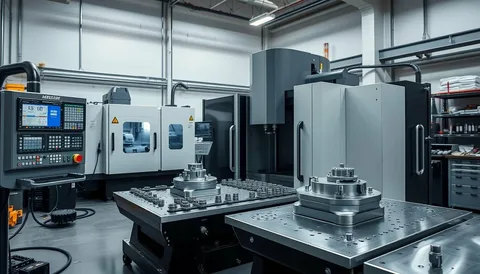
Skilled cabinetmakers bring designs to life in well-equipped workshops. Precision cutting equipment ensures accuracy to within fractions of inches. This exactness is essential for proper fit and function.
Wood selection continues during fabrication as craftsmen choose specific boards. They consider grain patterns and color matching carefully. This attention to detail creates cohesive, beautiful finished products.
Assembly requires both technical skill and artistic judgment. Joints must fit perfectly while maintaining proper alignment. Quality craftsmanship shows in smooth surfaces and tight tolerances throughout.
Sanding progresses through increasingly fine grits for silky smooth results. This labor-intensive process removes all imperfections. Proper surface preparation is essential for beautiful, durable finishes.
Finishing Applications
Staining enhances natural wood beauty while providing some protection. Multiple coats build rich, even color throughout. Hand-wiping techniques create superior results compared to spray-only applications.
Painting requires meticulous preparation and multiple thin coats. Quality paints formulated specifically for cabinets resist chipping and yellowing. Proper curing time between coats ensures durability.
Clear topcoats provide the final protective layer against moisture and wear. Conversion varnishes offer superior durability for high-use areas. These professional-grade finishes far exceed consumer products.
Hardware installation happens after finishing to prevent damage during handling. Precise placement ensures consistent alignment throughout all cabinets. This attention to detail creates polished, professional appearances.
Pre-Installation Preparation
Your home requires preparation before installation day arrives. Empty cabinets completely and clear adjacent areas. Installers need unobstructed access and room to work safely.
Cover nearby surfaces to protect from dust and potential damage. Remove wall decorations and window treatments from work areas. These precautions prevent accidents and simplify cleanup.
Discuss pet and family considerations with your installation team. Some homeowners prefer to stay elsewhere during installation. Others want to observe progress and remain available for questions.
Verify that all materials arrived correctly before installation begins. Check quantities, colors, and specifications against your order. Catching discrepancies early prevents delays and complications.
Professional Installation
Experienced installers begin by verifying wall and floor conditions. They check for level surfaces and make necessary adjustments. Proper preparation ensures cabinets hang straight and function correctly.
Base cabinets go in first, carefully leveled and secured to walls. Installers shim as needed to compensate for uneven floors. This foundation supports upper cabinets and countertop installations.
Upper cabinets require precise placement and secure mounting. Weight-bearing capacity is critical, especially for cabinets holding dishes. Professional installation provides confidence in structural integrity.
Doors and drawer fronts receive final adjustments for perfect alignment. Gaps should be consistent and hardware should operate smoothly. This fine-tuning creates the polished look quality cabinetry deserves.
Final Walkthrough and Adjustments
Columbus area professionals conduct thorough walkthroughs with homeowners after installation. They demonstrate proper care and operation of all features. Understanding your new cabinets ensures long-term satisfaction.
Minor adjustments address any issues discovered during inspection. Doors might need slight hinge adjustments for perfect closure. Drawer slides sometimes require fine-tuning for optimal operation.
Care and maintenance instructions help protect your investment. Different finishes require specific cleaning approaches. Following recommendations extends cabinet life significantly.
Warranty documentation explains what’s covered and for how long. Quality cabinetry professionals stand behind their work confidently. This protection provides peace of mind for years to come.
Enjoying Your Investment
Living with custom cabinets reveals how much difference quality storage makes. Organization becomes effortless with proper systems in place. Your daily routines flow more smoothly in well-designed spaces.
Custom work reflects your personal style in ways stock cabinets never can. Every detail exists because you chose it specifically. This personalization creates genuine satisfaction and pride.
Quality cabinets increase home value substantially. Real estate professionals recognize superior craftsmanship and materials. Your investment pays returns both daily and eventually at resale.
Final Thoughts
The cabinet design process combines artistic vision with technical expertise beautifully. Each phase builds toward creating storage solutions perfectly suited to your needs. Understanding this journey helps you appreciate the craftsmanship involved.
Dublin and Columbus homeowners benefit from working with experienced local professionals. These experts understand regional architecture and homeowner preferences. Their knowledge ensures results that enhance your specific home.
From initial consultation through final installation, quality matters at every step. The right team makes this process enjoyable rather than stressful. Your beautiful, functional cabinets will serve you well for decades.
Frequently Asked Questions
How long does the entire cabinet design and installation process take?
Most projects take 8-12 weeks from initial consultation to final installation. Custom fabrication requires 4-6 weeks typically. Complex projects or special materials may extend timelines.
Can I make changes after the design is finalized?
Changes are possible but become more expensive as fabrication progresses. Modifications during the design phase are easy and inexpensive. Once cutting begins, changes may require restarting certain components.
What should I look for when choosing a cabinet maker?
Review portfolios of completed work similar to your project. Check references and read reviews carefully. Verify proper licensing, insurance, and warranty offerings before committing.
How much do custom cabinets cost compared to stock options?
Custom cabinets typically cost 2-3 times more than stock options. However, they fit perfectly, use better materials, and last longer. The value proposition depends on your priorities and budget.
Do I need to be home during installation?
Someone should be available to answer questions and make decisions. Many homeowners prefer observing progress and providing input. Discuss expectations with your installation team beforehand.

















Leave a Reply