

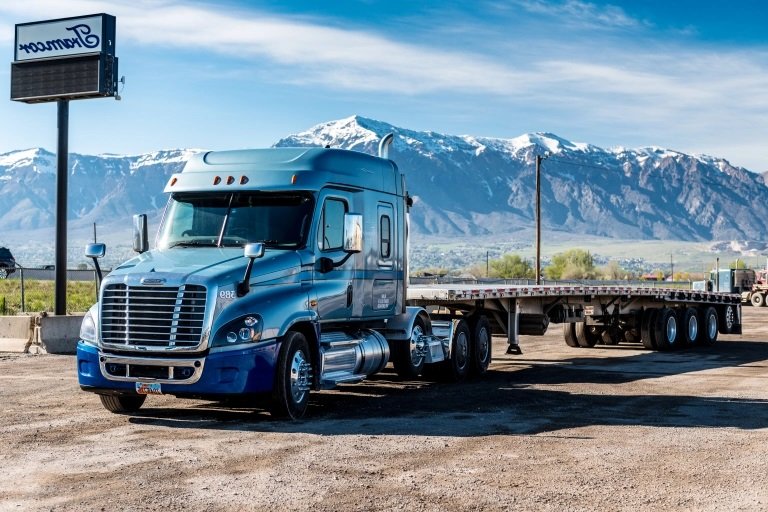
Flatbed dispatch services help flatbed truck drivers and carriers find high-paying loads, negotiate freight rates, manage paperwork, and ensure compliance with U.S. regulations. A professional flatbed dispatcher works directly with brokers, shippers, and load boards to keep your truck loaded, reduce downtime, and increase profitability.
If you run a flatbed truck in the United States, you already know this niche is different. It demands planning, precision, and strong rate negotiation skills. Flatbed freight involves open-deck hauling, oversized loads, construction materials, and specialized cargo. Without the right dispatcher services, you can lose time and money quickly.
Let’s break down how flatbed dispatch works, why it matters, and how to choose the right flatbed dispatch service for your operation.
What Is Flatbed Dispatch?
Flatbed dispatch refers to the process of securing and managing loads specifically for flatbed trucks. Unlike dry vans or reefers, flatbed freight often includes:
- Steel coils and metal products
- Lumber and building materials
- Heavy machinery and equipment
- Oversized or over-dimensional freight
- Construction materials and industrial cargo
A flatbed dispatcher understands cargo securement rules, tarping requirements, and weight distribution. They also know how to evaluate lanes across major U.S. freight corridors such as Texas, Florida, California, Illinois, and Georgia.
Flatbed truck dispatch is not just about booking loads. It includes:
- Rate negotiation
- Broker communication
- Load planning
- Appointment scheduling
- Paperwork management
- Compliance coordination
In short, a flatbed dispatch service acts as your back-office operations team.
Why Flatbed Dispatch Services Matter in the U.S. Market
The U.S. freight industry is highly competitive. Platforms like the Federal Motor Carrier Safety Administration regulate safety, compliance, and operating authority. Staying compliant while chasing profitable loads can become overwhelming for owner-operators.
Flatbed dispatch services provide three critical advantages:
1. Higher Revenue Per Mile
Experienced flatbed dispatchers understand seasonal trends. For example:
- Construction season increases demand in Midwest and Southern states.
- Steel and industrial freight spikes in manufacturing hubs like Ohio and Pennsylvania.
- Energy sector freight rises in Texas and North Dakota.
A skilled dispatcher negotiates based on market conditions, fuel costs, and lane demand. That directly impacts your rate per mile.
2. Reduced Deadhead Miles
Deadhead miles are one of the biggest profit killers. Professional dispatcher services use load boards and broker networks to plan reloads before delivery. This keeps your flatbed truck moving and earning.
3. Time Freedom for Drivers
Many flatbed owner-operators spend hours daily searching load boards, calling brokers, and handling paperwork. A flatbed dispatcher allows you to focus on driving, safety, and equipment maintenance.
How Flatbed Truck Dispatch Works
Here’s how a typical flatbed dispatch service operates in the United States:
Step 1: Onboarding and Authority Setup
The dispatcher verifies:
- Active MC number
- Insurance coverage
- W-9 and carrier packet
- ELD compliance
They ensure your authority is in good standing and ready for booking.
Step 2: Load Search and Negotiation
Your flatbed dispatcher searches for:
- Step deck loads
- Conestoga freight
- Over-dimensional loads
- Hotshot flatbed loads
They evaluate:
- Distance
- Weight
- Tarping requirements
- Accessorial fees
- Market rate
Strong negotiation can add hundreds of dollars per load.
Step 3: Paperwork and Broker Communication
Your dispatch service handles:
- Rate confirmations
- Carrier packets
- Appointment updates
- Detention and layover requests
This ensures smooth coordination between driver and broker.
Step 4: Invoicing and Follow-Up
Many dispatcher services also help with invoicing and billing, ensuring faster payment cycles.
Types of Flatbed Dispatch Services
Not all dispatcher services are the same. In the U.S., flatbed dispatch typically falls into these categories:
1. Owner-Operator Dispatch
Designed for single-truck operators. Focuses on:
- Personalized lane planning
- Higher rate negotiation
- Flexible home time
2. Small Fleet Dispatch
For fleets with 2–10 trucks. Includes:
- Multi-truck coordination
- Dedicated lane setup
- Broker relationship management
3. Specialized Flatbed Dispatch
Handles:
- Oversized loads
- Heavy haul freight
- Step deck and RGN loads
These loads require deeper knowledge of permits and routing.
Key Services Included in Professional Flatbed Dispatch
A top-tier flatbed dispatch service typically includes:
- Load sourcing across major U.S. freight markets
- Rate negotiation
- 24/7 broker communication
- Route planning
- Tarping and accessorial negotiation
- Compliance coordination
- Invoice submission
- Detention and TONU recovery
When evaluating flatbed dispatch services, make sure they clearly define their percentage fee and what is included.
Flatbed Dispatch vs. Load Boards: What’s the Difference?
Many drivers rely only on load boards. While load boards provide access to freight listings, they do not:
- Negotiate rates for you
- Handle paperwork
- Track appointments
- Manage compliance
A flatbed dispatcher combines load board access with industry relationships and negotiation expertise.
Think of dispatcher services as strategic support, not just load searching.
Qualities of a Reliable Flatbed Dispatcher
Choosing the right flatbed dispatcher can make or break your operation. Here’s what to look for:
Industry Knowledge
They should understand:
- Tarping requirements
- Load securement rules
- Seasonal market shifts
- Regional rate trends
Strong Communication Skills
Clear and consistent communication between dispatcher, driver, and broker is essential.
Transparent Pricing
Most flatbed dispatch services charge between 5% and 10% of gross revenue. Avoid hidden fees.
U.S. Market Experience
Experience in key freight regions such as:
- Southeast freight lanes
- Midwest manufacturing routes
- Texas energy corridor
- West Coast port lanes
Local knowledge matters.
How Flatbed Dispatch Increases Profitability
Flatbed trucking often commands higher rates than dry van freight, but it also involves more responsibility. A professional flatbed dispatch service improves profitability by:
- Negotiating accessorial pay for tarping
- Securing detention compensation
- Reducing downtime
- Planning profitable backhauls
- Avoiding low-paying broker contracts
The goal is not just to keep your truck moving. It is to maximize net profit after fuel, maintenance, and insurance.
Compliance and Risk Management in Flatbed Truck Dispatch
Flatbed freight carries added safety risks. Load securement failures can lead to severe penalties. A knowledgeable dispatcher helps ensure:
- Proper documentation
- Weight compliance
- Appointment accuracy
- Permit coordination for oversized freight
Working in alignment with U.S. regulations overseen by the Federal Motor Carrier Safety Administration protects your authority and safety score.
Common Mistakes to Avoid When Hiring Dispatcher Services
Many carriers make avoidable mistakes when choosing a flatbed dispatch service:
- Choosing based only on low percentage fees
- Not reviewing contract terms
- Failing to clarify load volume expectations
- Ignoring communication style
- Overlooking industry specialization
Flatbed dispatch is different from general freight dispatch. Make sure your dispatcher understands open-deck freight.
Is Flatbed Dispatch Right for You?
Flatbed dispatch services are ideal for:
- New authorities seeking broker relationships
- Owner-operators tired of handling paperwork
- Drivers wanting to scale into small fleets
- Carriers entering specialized freight markets
If you prefer full control and enjoy rate negotiation, you may manage dispatch yourself. But if your goal is growth and stability, professional flatbed truck dispatch can provide leverage.
FAQs About Flatbed Dispatch Services
What does a flatbed dispatcher actually do?
A flatbed dispatcher finds loads, negotiates rates, communicates with brokers, manages paperwork, and plans routes to maximize revenue and reduce downtime.
How much do flatbed dispatch services charge?
Most dispatcher services in the U.S. charge between 5% and 10% of the load revenue, depending on service level and fleet size.
Can a flatbed dispatch service guarantee loads?
No legitimate dispatcher can guarantee loads, but experienced dispatchers increase your access to consistent freight through strong broker networks.
Is flatbed dispatch different from dry van dispatch?
Yes. Flatbed dispatch requires knowledge of tarping, load securement, oversized permits, and construction freight cycles.
Do I need my own authority for flatbed dispatch?
Yes. Most dispatcher services work with carriers who already have active operating authority and insurance.
Final Thoughts: Building a Profitable Flatbed Operation
Flatbed dispatch services offers strong earning potential in the U.S. freight market, especially in construction, energy, and manufacturing sectors. But success requires more than a truck and trailer.
A professional flatbed dispatch service provides:
- Strategic load planning
- Strong rate negotiation
- Compliance awareness
- Operational efficiency
The right flatbed dispatcher becomes a business partner, not just a load booker. If you want to reduce stress, increase revenue per mile, and grow your flatbed truck dispatch operation, investing in expert dispatcher services can be one of the smartest moves you make.
In today’s competitive U.S. freight landscape, efficiency and negotiation power determine who survives and who scales. Choose wisely, operate strategically, and treat dispatch as a critical part of your business model, not an afterthought.
















Leave a Reply