Fall Protection Kits: Features, Apps, & Safety Benefits
Working at height is common in construction, roofing, utilities, warehousing, maintenance, and industrial environments. But even routine elevated work can become dangerous without the right safety equipment in place. Fall protection is not only about meeting workplace requirements. It is about giving workers the confidence and support they need to complete tasks safely.
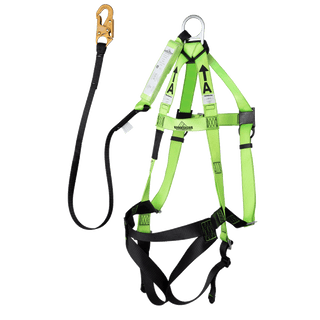
Fall protection kits are designed to provide essential equipment in one ready-to-use package. They usually include a harness, lanyard, anchor point, connectors, and sometimes storage bags or additional components depending on the job requirement. For employers, choosing the right kit can make safety planning easier and help reduce risks across different worksites.
Understanding the Key Features of Fall Protection Kits
Full-Body Harness for Secure Support
A full-body harness is one of the most important parts of a fall protection kit. It distributes fall forces across stronger areas of the body, including the shoulders, chest, thighs, and pelvis. A good harness should be adjustable, comfortable, and suitable for long working hours so workers can move safely without feeling restricted during daily tasks.
Lanyards and Connectors for Controlled Movement
Lanyards and connectors help attach the worker to an approved anchor point while allowing controlled movement. Depending on the worksite, shock-absorbing lanyards, self-retracting lifelines, or positioning lanyards may be used. These components help reduce fall impact and support workers when they need flexibility while performing elevated tasks.
Common Applications Across Industrial Worksites
Construction and Roofing Work
Construction and roofing jobs often involve ladders, scaffolding, open edges, and elevated platforms. Fall protection kits are essential in these environments because workers are frequently exposed to height-related hazards. Using proper kits helps reduce accident risks, supports compliance, and creates a safer work culture on active job sites.
Utility, Maintenance, and Warehouse Operations
Fall protection is also important for utility workers, maintenance teams, and warehouse staff. Tasks such as equipment servicing, rack maintenance, loading dock work, and overhead repairs may require height access. In such cases, having the right kit ensures workers are protected while handling repairs, inspections, and operational duties.
Workplace Safety Benefits and Buying Considerations
Improved Compliance and Risk Reduction
Employers must provide appropriate fall protection when workers operate at height. Choosing reliable kits helps businesses meet safety requirements while reducing workplace risks. For companies purchasing in bulk, sourcing Fall Protection Kits wholesale can also support consistent safety standards across multiple crews, job sites, and departments without compromising equipment availability.
Choosing the Right Kit for the Job
Not every fall protection kit is suitable for every task. Buyers should consider working height, anchor options, movement range, worker comfort, weight capacity, and the type of environment. A roofing crew may need different equipment than a warehouse maintenance team, so selecting job-specific kits is essential for practical and effective protection.
How Proper Training Supports Fall Protection Equipment Use
Worker Training for Safe Equipment Handling
Fall protection kits are only effective when workers know how to use them correctly. Employers should provide proper training on harness fitting, anchor point selection, lanyard connection, inspection steps, and emergency response procedures. Even high-quality equipment can fail to protect workers if it is used incorrectly or attached to an unsuitable anchor point during elevated work.
Regular Inspection and Maintenance Practices
Every fall protection kit should be inspected before use to check for damaged stitching, worn straps, broken buckles, rusted connectors, or signs of impact. Equipment that shows damage should be removed from service immediately. Regular inspection and proper storage help extend the life of the kit while ensuring workers have reliable protection whenever they are assigned height-related tasks.
Emergency Rescue Planning
Fall protection planning should also include a clear rescue procedure. If a worker falls and remains suspended, quick response is critical to prevent further injury. Employers should define who will respond, what equipment will be used, and how quickly rescue support can reach the worker.
Proper Fit and Size Selection
A fall protection kit should match the worker’s body size and job role. Poorly fitted harnesses can cause discomfort and may not provide proper support during a fall. Adjustable straps, secure buckles, and correct sizing help improve both safety and worker confidence.
Weather and Worksite Conditions
Outdoor worksites often face rain, wind, dust, heat, and cold temperatures. These conditions can affect how fall protection equipment performs and how comfortable workers feel while wearing it. Businesses should choose kits that suit the environment and remain dependable during real jobsite conditions.
Final Thoughts
Fall protection kits play a vital role in keeping workers safe during elevated tasks. They combine essential components such as harnesses, lanyards, connectors, and anchors into one practical solution, making it easier for employers to prepare their teams for height-related work.
For businesses, investing in the right fall protection equipment is more than a compliance step. It helps reduce accident risks, improves worker confidence, and supports a safer, more productive workplace. Whether used in construction, roofing, utilities, maintenance, or warehouse operations, the right kit can make a meaningful difference in daily safety performance.
About The Author