

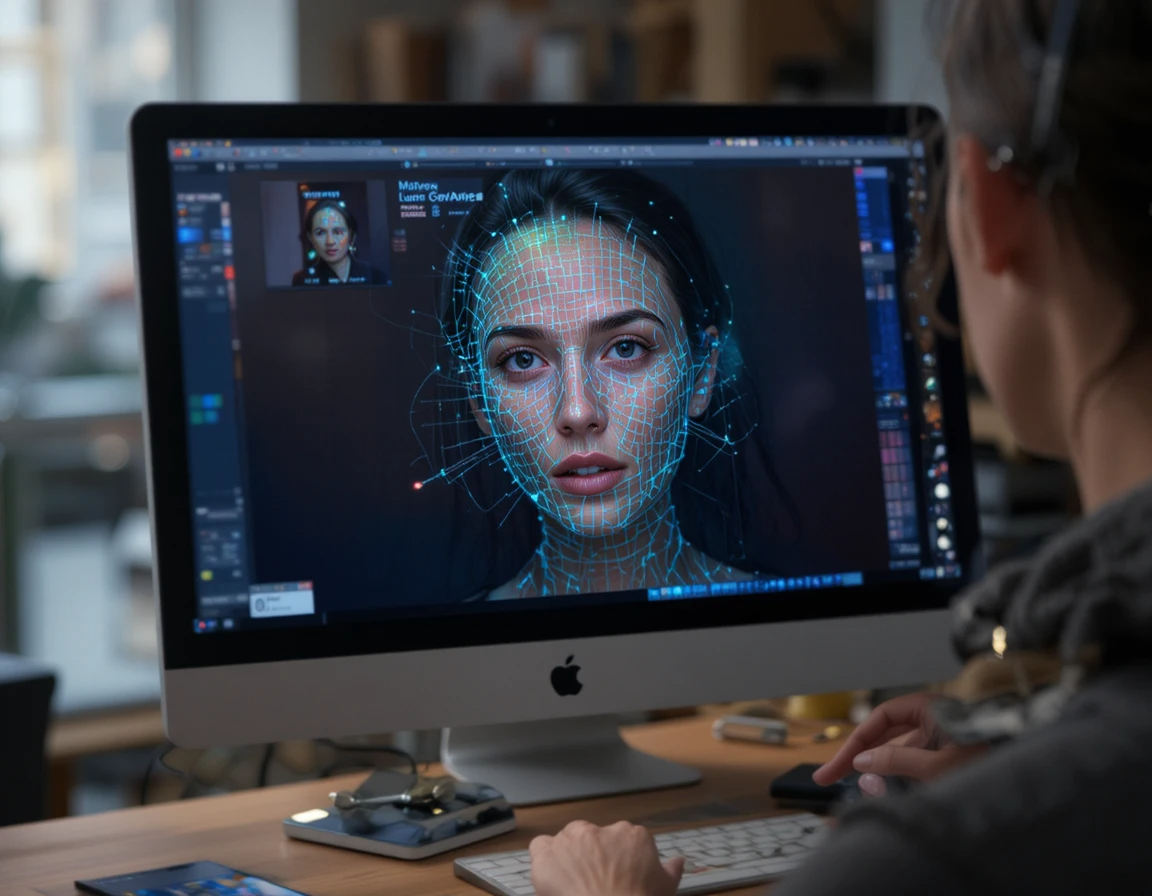
In recent years, facial recognition & emotion analysis technologies have moved from experimental tools to mainstream solutions across industries. These advanced AI-driven systems are designed to identify individuals and interpret emotional cues with a high degree of accuracy. Positioned at the intersection of computer vision, behavioral science, and deep learning, these technologies are reshaping how organizations enhance user experiences, strengthen security protocols, and optimize public interactions. As digital transformation accelerates worldwide, both private enterprises and government agencies are exploring how to integrate facial recognition and emotion analysis into their operational frameworks. These systems allow businesses to personalize services, enable contactless interactions, and support automated decision-making, making them a powerful force in shaping the future of smart environments.
The Evolution of Intelligent Recognition Technologies
Facial recognition has existed for decades, but only with recent breakthroughs in machine learning and neural networks has it become highly reliable. Emotion analysis, a more complex counterpart, interprets micro-expressions, facial movements, and behavioral signals to determine a person’s mood or intention. Together, these technologies enable advanced assessments such as sentiment tracking, behavior prediction, and identity verification.
AI-based cameras and detection systems have evolved to process real-time signals even in crowded environments. Modern algorithms can match thousands of facial profiles in seconds, detect deceit indicators, or measure emotional states like happiness, stress, or anger. The integration of such capabilities into everyday systems is paving the way for a future where intelligent automation supports seamless human experiences.
Applications Across Diverse Industries
Security and Surveillance
One of the most prominent uses of facial recognition and emotion analysis is in advanced surveillance systems. Security teams can monitor live video feeds, identify persons of interest, and detect suspicious behavior based on emotional cues. This allows authorities to take preventive steps rather than reactive ones. Emotion analysis adds another layer by helping identify unusual patterns, such as heightened stress or fear in high-security zones.
Retail and Customer Experience
Many retailers are adopting these technologies to enhance customer interactions. Facial recognition helps recognize returning customers, while emotion analysis allows stores to understand reactions to products, pricing, and store layouts. This data-driven approach helps businesses refine marketing strategies and personalize services for each customer.
Healthcare and Therapy
In healthcare, emotion analysis assists doctors and therapists in understanding patient conditions more accurately. For mental health assessments, AI can identify emotional inconsistencies or distress signals that may not be immediately visible to a human observer. In emergency departments, facial recognition helps verify patient identity quickly, saving time during critical situations.
Education and Learning Systems
Facial recognition tools are used for attendance tracking and campus security, while emotion analysis helps teachers understand student engagement levels. Intelligent tutoring systems can adapt teaching methods based on whether learners appear confused, bored, or attentive.
Transportation and Access Control
Airports, offices, and public transportation hubs widely use facial recognition for fast and contactless authentication. Adding emotion analysis allows security teams to detect stress patterns that may signal security risks, making transportation hubs safer and more efficient.
Ethical Considerations and the Need for Responsible AI
Despite its vast potential, facial recognition and emotion analysis raise concerns around privacy, consent, and misuse. Ensuring ethical deployment is crucial. Transparent policies, data safeguards, and strict compliance with privacy regulations are necessary to maintain public trust. Organizations must prioritize fairness and avoid biases in AI models, ensuring these technologies remain secure and beneficial.
Future Potential of Intelligent Emotion-Aware Systems
As smart cities and digital ecosystems grow, the value of facial recognition and emotion analysis will increase. Real-time emotion tracking can support crowd management, enhance workplace safety, and improve communication between humans and machines. Integration with IoT devices will make environments more intuitive, automated, and responsive.
AI systems capable of interpreting human emotions could also become key components of next-generation customer service, mental health monitoring, entertainment systems, and immersive digital environments. As innovation continues, these technologies will redefine how societies operate, interact, and evolve.
Conclusion
Facial recognition and emotion analysis are poised to reshape industries and public environments by improving efficiency, security, and user engagement. They enable organizations to understand human behavior deeply and respond with precision, creating smarter and safer interactions. As we move toward a more connected world, the integration of AI-driven detection tools will help cities and institutions evolve into intelligent ecosystems. This advancement aligns with the growing importance of The rise of AI in smart cities: Improving traffic management and public safety through intelligent detection systems, highlighting how emotional and facial insights can contribute to safer, more efficient urban living.



















Leave a Reply