

Managing a home budget often feels like a balancing act, but few expenses are as volatile as utility bills. For most households, temperature control accounts for nearly half of all energy consumption. Implementing effective energy savings tips isn’t just about making small sacrifices; it is about optimizing the physical systems of your home to ensure that every dollar spent on climate control actually translates into comfort. When your home is losing air through small gaps or your machinery is fighting against its own friction, you are essentially paying for comfort that never reaches your living room.
The Anatomy of Thermal Loss: Where Your Money Is Vanishing
To lower your costs, you must first understand how heat moves. Heat naturally flows from warm areas to cool ones. In the winter, it tries to escape outside; in the summer, it tries to force its way in. This movement happens through three primary channels: conduction (through walls), convection (air leaks), and radiation (sunlight through windows).
If your heating or cooling system is constantly cycling on and off, it is likely fighting a losing battle against the thermal envelope of your home. A poorly sealed house forces the machinery to run much longer than necessary just to maintain a baseline temperature. Identifying these invisible leaks is the first step toward significant savings.
Passive Strategies: Seal the Envelope First
Before upgrading equipment, focus on the shell of your home. This is the most cost-effective way to see immediate results on your bill without spending thousands on new hardware.
- Weatherstripping and Caulking: Small gaps around windows and doors might seem trivial, but collectively they can equal the size of a window left wide open year-round. Use silicone-based caulk for permanent fixtures and weatherstripping for moving parts like door frames.
- The Attic Insulation Gap: Heat rises. If your attic insulation is level with or below the floor joists, you are losing significant heat in the winter. Adding another layer of fiberglass or cellulose insulation can pay for itself in less than two heating seasons by keeping the warmth where it belongs.
- Window Management: In the summer, keep blinds closed on the south and west-facing sides of the house to block radiant heat. In the winter, open them during the day to let the sun act as a free heater, then close heavy curtains at night to provide an extra layer of insulation.
Optimizing Your HVAC Hardware
The efficiency of your system is measured by its SEER2 (Seasonal Energy Efficiency Ratio) for cooling and AFUE (Annual Fuel Utilization Efficiency) for heating. However, even a high-rated system will perform poorly if it is neglected or clogged with dust.
Smart Thermostat Utilization
A smart thermostat is the “brain” of your home. By programming setbacks for when you are at work or asleep, you can save roughly 10% annually on your bills. Modern 2026 models now use algorithms to learn how long it takes your specific home to reach a target temperature, ensuring the system does not kick in earlier than necessary.
Filter Maintenance: The 5% Efficiency Boost
A clogged filter restricts airflow. This forces the blower motor to work harder and consume more electricity to move the same amount of air. Simply checking your filter once a month and replacing it every 90 days is the single easiest maintenance task to prevent mechanical strain and energy waste.
Professional Calibration and Peak Performance
While DIY tips are helpful, some optimizations require professional tools. Over time, sensors can drift, refrigerant levels can drop, and electrical connections can loosen. Each of these minor issues creates “drag” on the system’s efficiency, slowly inflating your monthly costs.
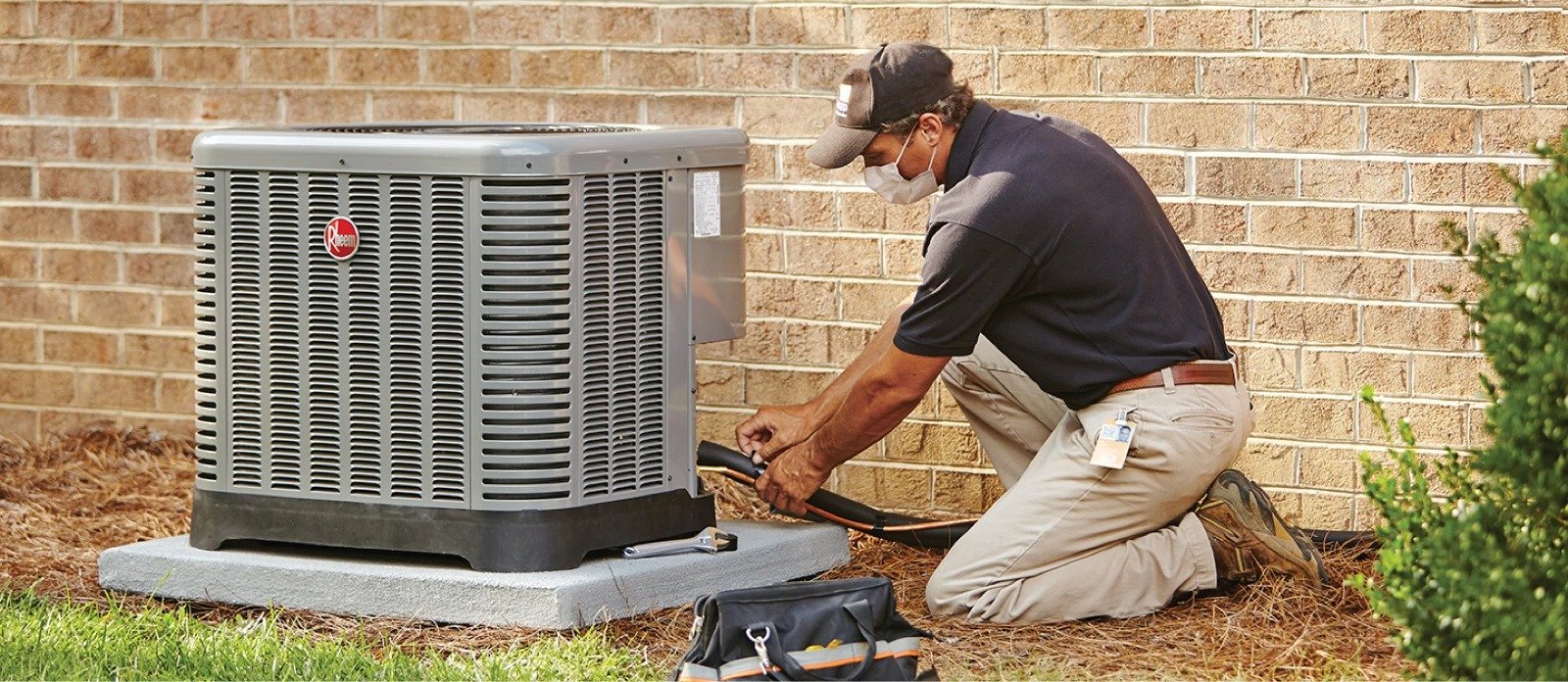
In extreme climates where the outdoor temperature fluctuates wildly, having a local expert is invaluable. For residents dealing with high altitudes and dry air, seeking reliable HVAC services in Denver, Co can ensure that your heat exchanger is calibrated correctly for the thinner air. A professional tune-up typically includes cleaning the outdoor condenser coils and checking the starting cycle, which can prevent an expensive mid-season breakdown while keeping your energy consumption at its lowest possible level.
Advanced Technologies for 2026
If your system is more than a decade old, it may be time to consider an upgrade. The technology has leaped forward significantly in recent years.
- Variable Speed Motors: Traditional systems are either on or off. Variable speed units can run at lower capacities, matching the exact cooling needs of the house. This uses significantly less energy than constant full-speed cycles and provides more even temperatures.
- Heat Pump Integration: Modern heat pumps are now effective even in sub-zero temperatures. They move heat rather than creating it through combustion, often reaching efficiency levels far higher than a standard gas furnace.
- Duct Sealing: If your ducts are in unconditioned spaces like a crawlspace or attic, you could be losing 30% of your conditioned air before it ever reaches a vent. Professional sealing ensures that the air you pay for actually reaches your living rooms.
Water Heating: The Second Highest Energy Thief
After heating and cooling, water heating is usually the largest utility expense. Most manufacturers set water heaters to 140 degrees by default, which is unnecessarily hot for most households and presents a scalding risk.
Turning your water heater down to 120 degrees can save between 6% and 10% in water heating costs. Additionally, insulating the first six feet of hot water pipes coming out of the unit prevents standby heat loss, ensuring you have hot water faster at the tap without wasting energy.
Behavioral Shifts That Cost Zero Dollars
Your habits are just as important as your hardware. Small changes in how you live can lead to cumulative savings over the course of a year:
- Ceiling Fan Direction: In the summer, run fans counter-clockwise to create a wind-chill effect. In the winter, run them clockwise on low speed to push warm air trapped at the ceiling back down to the floor.
- Appliances at Night: Dishwashers and dryers produce heat. Running them during the hottest part of a summer day forces your AC to work harder to compensate. Wait until the evening to run heavy cycles.
- Unplug “Vampire” Electronics: Devices like toasters, coffee makers, and gaming consoles draw a small amount of power even when turned off. Using power strips to fully cut power can save a small but steady amount on your monthly electric bill.
Strategic Landscaping for Energy Efficiency
The environment around your house affects the energy used inside. Planting deciduous trees on the south and west sides of your home provides shade in the summer, lowering wall temperatures by several degrees. In the winter, these trees lose their leaves, allowing the sun to warm your home. Similarly, planting shrubs around your outdoor AC condenser can provide shade, helping it dissipate heat more efficiently, provided you leave enough space for airflow.
FAQ: Common Questions on Lowering Utility Bills
Q: Will a higher MERV air filter save me more money? A: Not necessarily. While higher MERV filters clean the air better, they are more restrictive. If your system is not designed for a high-density filter, it could actually increase your energy costs by making the motor work harder to pull air through the pleats.
Q: Is it better to leave the AC on all day or turn it off when I leave? A: It is more efficient to let the temperature rise by 7 to 10 degrees while you are away. Your system will work hard for a short period to cool it back down, but that uses less total energy than maintaining a cool temperature in an empty house all day long.
Q: Do solar attic fans actually work? A: They can help by exhausting hot air from your attic, which reduces the heat radiating into your living space. However, they are most effective when combined with proper soffit and ridge venting to ensure a continuous flow of air.
Q: How much can I save by switching to LED lighting? A: LEDs use about 75% to 80% less energy than traditional bulbs and last 25 times longer. While it seems like a small change, lighting usually accounts for about 10% of a home’s electric use, so the savings add up over time.
Final Summary for Maximum Savings
Lowering your heating and cooling costs is a game of percentages. No single tip will cut your bill in half, but a combination of air sealing, smart thermostat use, and regular maintenance will. Start with the free behavioral changes, move to inexpensive DIY weatherization, and finally, ensure your mechanical systems are professionally tuned to peak efficiency. By addressing the house as a complete system, you ensure a comfortable home that remains affordable regardless of the weather outside.























Leave a Reply