

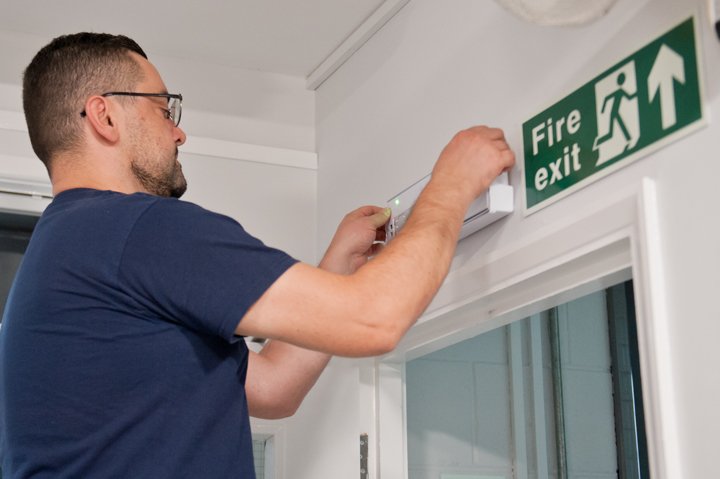
Safety is one of the most important responsibilities for property owners, landlords, and business operators. In commercial buildings, offices, apartment blocks, and public facilities, emergency lighting plays a vital role during power failures or emergency situations. Regular Emergency Lighting Testing London services help ensure that lighting systems operate correctly when they are needed the most.
Emergency lighting provides illumination for safe evacuation during emergencies such as fires, electrical failures, or other unexpected incidents. Without proper testing and maintenance, these systems may fail when they are required, putting occupants at risk.
In this guide, we will explain why emergency lighting testing is essential, the legal requirements in the UK, and how property owners in London can maintain safe and compliant buildings.
What Is Emergency Lighting?
Emergency lighting is a backup lighting system that automatically activates when the main power supply fails. Its main purpose is to provide enough illumination for people to safely exit a building during an emergency.
Emergency lighting systems typically include:
- Exit signs
- Escape route lighting
- Open area lighting
- High-risk task area lighting
These lights ensure that corridors, stairways, and exits remain visible even during power outages.
Regular Emergency Lighting Testing London ensures that these systems function correctly and comply with safety regulations.
Why Emergency Lighting Testing Is Important
Emergency lighting systems must work instantly during an emergency. However, like any electrical system, components can deteriorate over time if they are not properly maintained.
Routine testing helps to:
- Ensure emergency lights activate during power failures
- Identify faulty batteries or electrical connections
- Maintain compliance with UK safety regulations
- Protect building occupants
- Reduce potential legal liabilities
Without regular testing, building owners may not realise there is a problem until the system fails during an emergency.
Legal Requirements for Emergency Lighting in the UK
Emergency lighting systems in the UK must comply with several safety regulations and standards.
These include:
- The Regulatory Reform (Fire Safety) Order 2005
- British Standard BS 5266
- Workplace Health and Safety Regulations
Under these regulations, building owners and responsible persons must ensure that emergency lighting systems are properly installed, maintained, and tested.
Failing to meet these requirements can lead to serious consequences, including fines, enforcement notices, or legal action.
Types of Emergency Lighting Tests
Emergency lighting systems require several different types of tests throughout the year. These tests help ensure the system operates correctly at all times.
Monthly Function Test
A short monthly test is carried out to confirm that emergency lights switch on when the main power supply is interrupted.
During this test:
- The main power is briefly turned off
- Emergency lights activate automatically
- Lights are checked for proper operation
This test usually lasts only a few minutes but is essential for ensuring basic functionality.
Annual Full Duration Test
An annual test is more comprehensive and ensures that emergency lighting can operate for the full required duration.
During this test:
- The power supply is disconnected
- Emergency lights run on battery power
- Lights are checked for the full three-hour operating period
This test confirms that batteries and internal components are capable of supporting emergency operation for the required time.
Professional Emergency Lighting Testing London services often handle these inspections to ensure compliance with safety standards.
Who Is Responsible for Emergency Lighting Testing?
Responsibility for emergency lighting safety typically falls on the building owner, landlord, or the designated “responsible person” under fire safety regulations.
This person must ensure that:
- Emergency lighting systems are installed correctly
- Regular testing and inspections are conducted
- Maintenance records are kept
- Faults are repaired promptly
For commercial buildings, the responsible person may also include facility managers or health and safety officers.
Buildings That Require Emergency Lighting
Emergency lighting is required in many types of buildings, particularly those where people gather or work.
Common examples include:
- Offices and commercial buildings
- Apartment blocks and HMOs
- Schools and universities
- Hospitals and care homes
- Hotels and restaurants
- Retail stores and shopping centres
- Warehouses and industrial facilities
Regular Emergency Lighting Testing London is essential for ensuring these buildings remain safe and compliant.
Common Issues Found During Emergency Lighting Tests
Regular inspections often reveal faults that could compromise safety during emergencies.
Some of the most common issues include:
- Faulty batteries that no longer hold charge
- Damaged light fittings
- Burnt-out bulbs
- Wiring problems
- Poor installation or incorrect positioning
Identifying and repairing these issues early ensures the system works properly when it is needed.
In some cases, electrical upgrades may also be recommended. For example, improvements to the building’s electrical system, such as Fuse Box Installation London, can enhance overall safety and reliability.
The Role of Professional Testing Services
While basic visual checks can be performed by building managers, professional electricians are often required for detailed inspections.
Professional testing services provide:
- Comprehensive system inspections
- Accurate performance testing
- Fault detection and repairs
- Certification and compliance documentation
- Expert safety advice
Hiring experienced professionals for Emergency Lighting Testing London ensures that inspections are carried out correctly and in accordance with British Standards.
Importance of Maintenance Records
Keeping proper documentation is an important part of emergency lighting compliance.
Maintenance records should include:
- Dates of inspections and tests
- Details of faults found
- Repairs carried out
- Replacement parts installed
- Confirmation of compliance with regulations
These records may be requested during fire safety inspections by local authorities or insurance providers.
Maintaining clear documentation also demonstrates that building owners are taking their safety responsibilities seriously.
Improving Electrical Safety in Your Building
Emergency lighting is just one part of a building’s overall electrical safety system. Property owners should also ensure that other electrical components are safe and up to date.
Upgrading outdated systems, including Fuse Box Installation London, can improve electrical reliability and reduce the risk of power failures.
Modern consumer units include advanced safety features such as residual current devices (RCDs), which help protect against electrical shocks and faults.
Combining electrical upgrades with regular emergency lighting testing creates a safer environment for building occupants.
Tips for Maintaining Emergency Lighting Systems
Proper maintenance can help extend the lifespan of emergency lighting systems and reduce unexpected failures.
Here are some practical tips for property owners:
Schedule regular testing
Follow the recommended monthly and annual testing schedule to ensure compliance.
Replace faulty components promptly
Do not delay repairs if issues are discovered during inspections.
Keep escape routes clear
Emergency lighting is only effective if exit routes remain accessible.
Work with qualified professionals
Experienced electricians can provide reliable testing and maintenance services.
Update systems when necessary
Older lighting systems may require upgrades to meet modern safety standards.
The Benefits of Proper Emergency Lighting Testing
Regular testing provides several important benefits for building owners and occupants.
These benefits include:
- Improved safety during emergencies
- Compliance with UK fire safety laws
- Reduced risk of legal penalties
- Increased property value and reliability
- Peace of mind for tenants and staff
Emergency lighting is not just a legal requirement; it is an essential safety measure that protects lives.
Final Thoughts
Emergency lighting systems play a crucial role in protecting building occupants during unexpected situations such as power failures or fires. Ensuring that these systems work correctly is a key responsibility for property owners and facility managers.
Professional Emergency Lighting Testing London services help verify that lighting systems meet legal safety standards and function properly when needed. Regular inspections, proper maintenance, and accurate documentation all contribute to a safe and compliant building.
By prioritising emergency lighting testing and maintaining reliable electrical systems, property owners can create a secure environment for everyone who lives, works, or visits their premises.

















Leave a Reply