

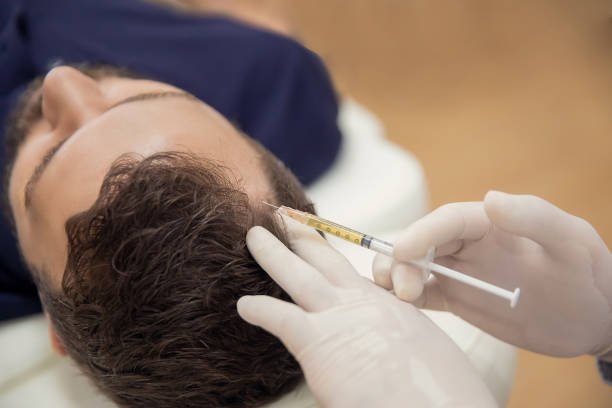
Hair loss is a common concern that affects individuals across different age groups and backgrounds. With the desire to restore natural hair and regain confidence, many seek innovative solutions that promise effective results. One such popular treatment is PRP Hair treatment in Abu Dhabi, which has gained significant attention for its natural approach to hair rejuvenation.
In this comprehensive guide, we will explore whether PRP hair treatment lasts for long, how it works, its benefits, and what you can expect from the procedure. We aim to provide clear, informative insights to help you make an informed decision about this minimally invasive hair restoration technique.
Understanding PRP Hair Treatment
What is PRP Hair Treatment?
Platelet-Rich Plasma (PRP) therapy is a regenerative technique that utilizes your body’s own blood components to stimulate hair growth. The process involves drawing a small amount of blood, processing it to concentrate the platelets, and then injecting this platelet-rich plasma into the scalp. These platelets contain growth factors that promote the regeneration of hair follicles, encouraging thicker and healthier hair growth.
How Does PRP Promote Hair Growth?
The growth factors released from the platelets enhance blood circulation in the scalp, stimulate dormant hair follicles, and initiate new follicle development. This biological stimulation can improve hair density, strength, and overall scalp health. Since the treatment leverages your natural biological processes, it is considered a safe and effective option for many individuals experiencing hair thinning or early-stage hair loss.
The Duration of PRP Hair Treatment Results
How Long Do the Effects Last?
The longevity of results from PRP Hair treatment varies among individuals. Generally, the effects can last from several months to over a year, depending on various factors such as the severity of hair loss, individual health, and adherence to a maintenance regimen.
Factors Influencing the Longevity of Results
- Extent of Hair Loss: Individuals with early-stage hair thinning tend to experience longer-lasting results compared to those with advanced hair loss.
- Lifestyle and Hair Care: Proper scalp hygiene, a balanced diet, and avoiding harsh hair treatments can support sustained results.
- Frequency of Maintenance Sessions: Regular follow-up sessions, typically every 4 to 6 months, help sustain the benefits and promote ongoing hair growth.
- Underlying Causes: Addressing root causes such as hormonal imbalances or nutritional deficiencies can enhance treatment longevity.
Is PRP a Permanent Solution?
While PRP therapy offers significant improvements in hair density and quality, it is not considered a permanent cure for hair loss. The treatment stimulates natural regeneration, but ongoing hair loss due to genetic or hormonal factors may require periodic maintenance sessions. Many patients opt for annual or bi-annual treatments to uphold their results.
Benefits of PRP Hair Treatment
Natural and Minimally Invasive
One of the most appealing aspects of PRP Hair treatment is its natural approach. Since it uses your own blood, there is minimal risk of allergic reactions or adverse effects, making it a safe choice for most individuals.
No Downtime
The procedure is minimally invasive, involving small injections into the scalp. Patients can typically resume daily activities immediately after treatment, making it a convenient option for those with busy schedules.
Stimulates Hair Growth and Improves Hair Quality
PRP not only encourages new hair growth but also enhances the strength, shine, and thickness of existing hair strands. This dual benefit contributes to a fuller, healthier scalp appearance.
Suitable for Various Stages of Hair Loss
Whether you’re experiencing early signs of thinning or more advanced hair loss, PRP can be tailored to meet individual needs, making it a versatile treatment option.
The Treatment Process
Consultation and Assessment
The journey begins with a thorough consultation where your scalp and hair health are evaluated. This assessment helps determine if PRP is suitable for your specific condition and outlines a personalized treatment plan.
Blood Collection and Processing
A small amount of blood is drawn from your arm and processed in a centrifuge to separate the platelet-rich plasma from other blood components. This step is performed with precision to ensure maximum efficacy.
Injection into the Scalp
The prepared PRP is injected into targeted areas of the scalp using fine needles. The procedure is generally well-tolerated, with minimal discomfort.
Post-Treatment Care and Follow-up
Following the procedure, there might be slight scalp sensitivity or swelling, which typically subsides quickly. Your practitioner will advise on care routines and schedule follow-up sessions to optimize results.
Maintenance and Longevity of Results
Importance of Follow-up Sessions
To maintain and enhance results, multiple sessions are often recommended, spaced about 4 to 6 weeks apart initially. Regular treatments stimulate ongoing hair regeneration and prevent further thinning.
Lifestyle Tips to Maximize Results
- Maintain a nutritious diet rich in vitamins and minerals essential for hair health.
- Avoid excessive heat styling, chemical treatments, and harsh hair care products.
- Manage stress levels, as stress can contribute to hair loss.
- Follow your practitioner’s advice on scalp care and supplements.
Long-Term Results
With consistent maintenance and proper scalp care, many individuals enjoy sustained improvements in hair volume and quality. While the effects are not permanent, periodic treatments can help preserve and enhance the initial benefits.
Comparing PRP with Other Hair Loss Treatments
Advantages of PRP Over Other Methods
Compared to topical medications or surgical options, PRP offers a natural approach with minimal downtime and fewer side effects. It is suitable for a broad range of hair loss stages and can complement other treatments.
Limitations to Consider
While effective, PRP may require patience to see noticeable results, and its longevity depends on ongoing maintenance. It is also less invasive than surgical hair restoration procedures.
Is PRP Hair Treatment Right for You?
Who Should Consider PRP?
Ideal candidates are those experiencing early to moderate hair thinning, or individuals seeking a natural, non-surgical option for hair rejuvenation. It is also suitable for those who prefer a treatment with minimal downtime and safety profile.
Who Might Not Be Suitable?
People with certain medical conditions, blood disorders, or active scalp infections should consult their healthcare provider before proceeding. A professional evaluation ensures that PRP is appropriate for your specific needs.
Final Thoughts
PRP Hair treatment Abu Dhabi offers a promising, natural solution for hair restoration that can deliver significant improvements in hair density, texture, and overall scalp health. While it does not provide a permanent cure, with proper maintenance and lifestyle choices, the results can be long-lasting and satisfying.
If you’re considering this treatment, consult with a qualified specialist to develop a tailored plan that aligns with your hair goals. Remember, consistent care and realistic expectations are key to achieving the best possible outcomes.


















Leave a Reply