

Crow’s feet, those fine lines and wrinkles that radiate from the outer corners of the eyes, are among the most common signs of aging. They can develop due to repetitive facial expressions, natural loss of skin elasticity, and environmental factors. For many individuals seeking a youthful appearance, Botox in Abu Dhabi has become a popular choice to address these concerns. But the crucial question remains: Does Botox injection work on crow’s feet?
Understanding how Botox functions, its effectiveness on crow’s feet, and what to expect can help individuals make informed decisions about their aesthetic goals. This article explores the role of Botox in smoothing out crow’s feet, how the procedure works, and what results users can anticipate.
Understanding Crow’s Feet and Their Causes
What Are Crow’s Feet?
Crow’s feet are the fine lines and wrinkles that form around the outer corners of the eyes. They are sometimes called “laugh lines” because they often become more prominent when smiling or laughing. Over time, these lines can deepen, contributing to a tired or aged appearance.
Causes of Crow’s Feet
Several factors contribute to the development of crow’s feet, including:
- Aging: As skin ages, it produces less collagen and elastin, leading to decreased firmness and elasticity.
- Repeated Facial Expressions: Smiling, squinting, and laughing cause the skin around the eyes to crease repeatedly, forming lines over time.
- Sun Exposure: Ultraviolet radiation accelerates skin aging, breaking down collagen and making wrinkles more noticeable.
- Genetics: Some individuals are genetically predisposed to develop crow’s feet at an earlier age.
Understanding these causes helps clarify why treatments like Botox are sought after for their ability to temporarily reduce the appearance of these lines.
How Does Botox Work on Crow’s Feet?
The Mechanism of Action
Botox, or botulinum toxin, is a neurotoxin that temporarily relaxes the muscles responsible for creating wrinkles. When injected into specific muscles around the eyes, Botox inhibits nerve signals that cause muscle contractions. As a result, the muscles are less active, leading to the softening or smoothing of the overlying skin.
Targeting the Muscles Causing Crow’s Feet
The muscles involved in creating crow’s feet are the orbicularis oculi muscles, which encircle the eye sockets. By injecting small amounts of Botox into these muscles, the repetitive movements that deepen the lines are minimized, leading to a reduction in the appearance of crow’s feet.
Effectiveness of Botox on Wrinkles
Botox is particularly effective for dynamic wrinkles—those caused by muscle movement rather than static lines present at rest. Since crow’s feet are often dynamic, Botox can significantly improve their appearance when properly administered.
The Procedure: What to Expect
Consultation and Planning
A qualified practitioner will evaluate the facial muscles and determine the best injection sites. They will consider the extent of the crow’s feet, muscle strength, and overall facial expressions to plan the treatment.
The Injection Process
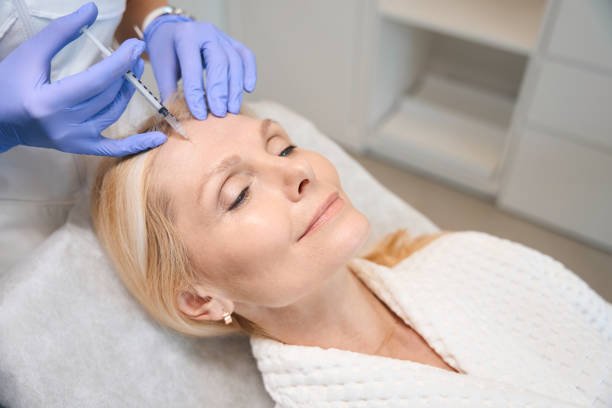
The Botox injections are quick, minimally invasive, and typically performed in an outpatient setting. Using a fine needle, small amounts of Botox are precisely injected into targeted muscles around the eyes. The procedure usually takes less than 30 minutes.
Post-Treatment Expectations
After the injections, patients may experience minor swelling or bruising, which usually resolves quickly. Most individuals can resume daily activities immediately afterward. Results generally start to become visible within a few days, with full effects seen in about a week.
How Long Do Results Last?
Duration of Effectiveness
The effects of Botox on crow’s feet typically last between three to six months. Regular treatments are recommended to maintain the desired look. Over time, with consistent treatment, some individuals may notice a slight reduction in the strength of the muscles involved, potentially prolonging the duration of results.
Factors Influencing Longevity
Several factors can influence how long Botox effects last, including:
- The individual’s metabolism
- The strength of the muscles
- The amount of Botox used
- The frequency of previous treatments
A personalized plan can help optimize results and longevity.
Benefits of Using Botox for Crow’s Feet
Non-Invasive and Quick
Botox offers a non-surgical solution that can be completed within minutes, providing a quick way to rejuvenate the eye area without downtime.
Natural-Looking Results
When administered by a skilled professional, Botox can produce subtle, natural results that soften wrinkles while preserving facial expressions.
Preventive Benefits
Starting Botox treatments early can prevent the formation of deeper static wrinkles by limiting muscle activity over time.
Limitations and Considerations
Not a Permanent Solution
Since Botox effects are temporary, ongoing treatments are necessary to maintain results. It is not a permanent fix for crow’s feet.
Suitability
Botox may not be suitable for everyone, especially those with certain neurological conditions or allergies. A thorough consultation is essential.
Complementary Treatments
For static wrinkles—that is, lines present even at rest—additional procedures like dermal fillers or skin resurfacing may be recommended alongside Botox.
Conclusion
Botox Abu Dhabi (or elsewhere) is an effective treatment for reducing the appearance of crow’s feet caused by muscle activity. It works by relaxing the muscles responsible for creating the lines, resulting in smoother, more youthful-looking skin around the eyes. While the results are temporary, regular treatments can maintain a refreshed appearance and prevent deeper wrinkle formation over time.
Individuals considering Botox for crow’s feet should consult with a qualified specialist to develop a tailored treatment plan that aligns with their aesthetic goals. When administered correctly, Botox offers a safe, minimally invasive, and highly effective option for addressing crow’s feet and achieving a more vibrant, youthful look.
























Leave a Reply