

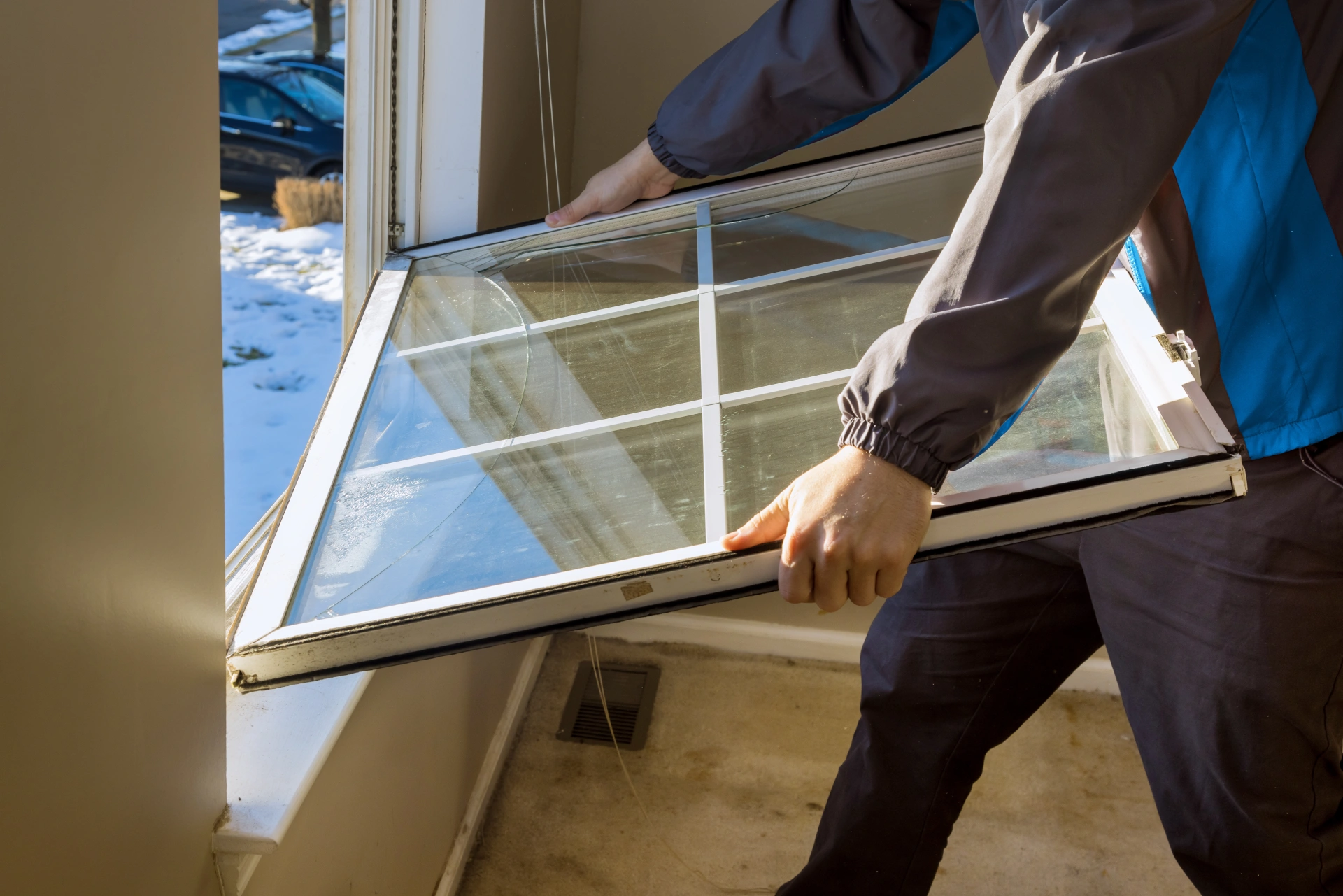
Glass is a vital component of both residential and commercial buildings. It provides natural light, insulation, safety, and visual appeal. Over time, however, glass can become damaged, outdated, or inefficient due to wear, accidents, weather exposure, or structural changes. When this happens, timely replacement is essential to maintain safety, energy efficiency, and property value.
Understanding the complete glass replacement process helps homeowners and business owners make informed decisions and avoid costly mistakes. From the initial inspection to final quality checks, each step plays a critical role in ensuring a successful outcome. In this guide, we’ll walk through the full process of replacing residential and commercial glass from start to finish.
Initial Inspection and Damage Assessment
The first step in any glass replacement project is a thorough inspection and assessment. This stage determines whether the glass can be repaired or needs full replacement. Professionals look for visible issues such as cracks, chips, fogging, loose panes, or frame damage, as well as hidden problems like seal failure or structural stress.
In residential properties, assessments often focus on windows, doors, shower enclosures, and railings. In commercial settings, storefronts, office partitions, curtain walls, and high-traffic glass areas require more detailed evaluation due to safety regulations and usage demands.
A proper assessment also considers urgency. Severely cracked or loose glass poses immediate safety risks and may require emergency replacement. Identifying these issues early helps prevent injuries, property damage, and further structural problems.
Choosing the Right Type of Glass
Selecting the correct glass type is one of the most important steps in the replacement process. The choice depends on location, usage, safety requirements, and energy-efficiency goals. A professional glass replacement company helps determine the best option based on these factors, ensuring compliance with building codes and long-term performance.
Tempered Glass is commonly used in doors, bathrooms, and high-impact areas because it is stronger than standard glass and breaks into small, less harmful pieces.
Laminated Glass consists of multiple layers bonded together, making it ideal for storefronts, commercial buildings, and security-focused applications. Even when cracked, it remains intact.
Double-Glazed and Energy-Efficient Glass is popular for both homes and businesses. These units improve insulation, reduce noise, and lower heating and cooling costs.
Custom glass options may also be required for unique residential designs or branded commercial spaces. Choosing the right glass ensures safety, efficiency, and durability for years to come.
Removal of Old or Damaged Glass
Once the glass type is selected, the next step is the safe removal of the old or damaged glass. This process requires specialized tools and protective equipment to prevent injuries and property damage.
In homes, technicians work carefully to minimize disruption and protect surrounding surfaces. In commercial environments, removal is often scheduled during off-hours to avoid interrupting business operations and ensure customer safety.
Midway through the project, a professional glass replacement company ensures that all broken materials are handled safely and disposed of according to local regulations. Proper disposal is important not only for safety but also for environmental responsibility.
Removing glass correctly prevents frame damage and prepares the opening for a precise and secure new installation.
Professional Glass Installation
Installation is the most critical phase of the glass replacement process. Accurate measurements, proper alignment, and secure sealing determine how well the glass performs over time.
Professionals begin by preparing the frame, ensuring it is clean, level, and structurally sound. The new glass is then carefully fitted and secured using appropriate fasteners, sealants, or glazing techniques.
In both residential and commercial projects, proper installation prevents air leaks, water intrusion, rattling, and premature damage. A trusted glass replacement company uses industry-approved methods and tools to ensure the glass meets safety standards and performs as intended.
Incorrect installation can lead to energy loss, reduced lifespan, and safety hazards, which is why professional expertise is essential at this stage.
Final Inspection and Quality Assurance
After installation, a detailed final inspection ensures everything meets quality and safety standards. Technicians check alignment, sealing, and stability, as well as the smooth operation of windows or doors.
For commercial properties, inspections also confirm compliance with local building codes and safety regulations. Any adjustments are made immediately to guarantee proper performance.
The glass is cleaned, finishing touches are applied, and the area is left neat and secure. Homeowners and business owners are often given maintenance tips to help extend the life of the new glass.
This final step ensures peace of mind, knowing the replacement has been completed correctly and safely.
Conclusion
Replacing residential and commercial glass is a detailed process that requires careful planning, proper materials, and professional expertise. From inspection and glass selection to removal, installation, and final inspection, each step contributes to safety, efficiency, and durability.
Working with an experienced glass replacement company ensures the process is handled correctly, reducing risks and delivering long-term value. Timely glass replacement improves energy efficiency, enhances appearance, and protects occupants from potential hazards.
Whether upgrading home windows or replacing commercial storefront glass, understanding the complete replacement process helps you make confident decisions and achieve reliable, lasting results.















Leave a Reply