

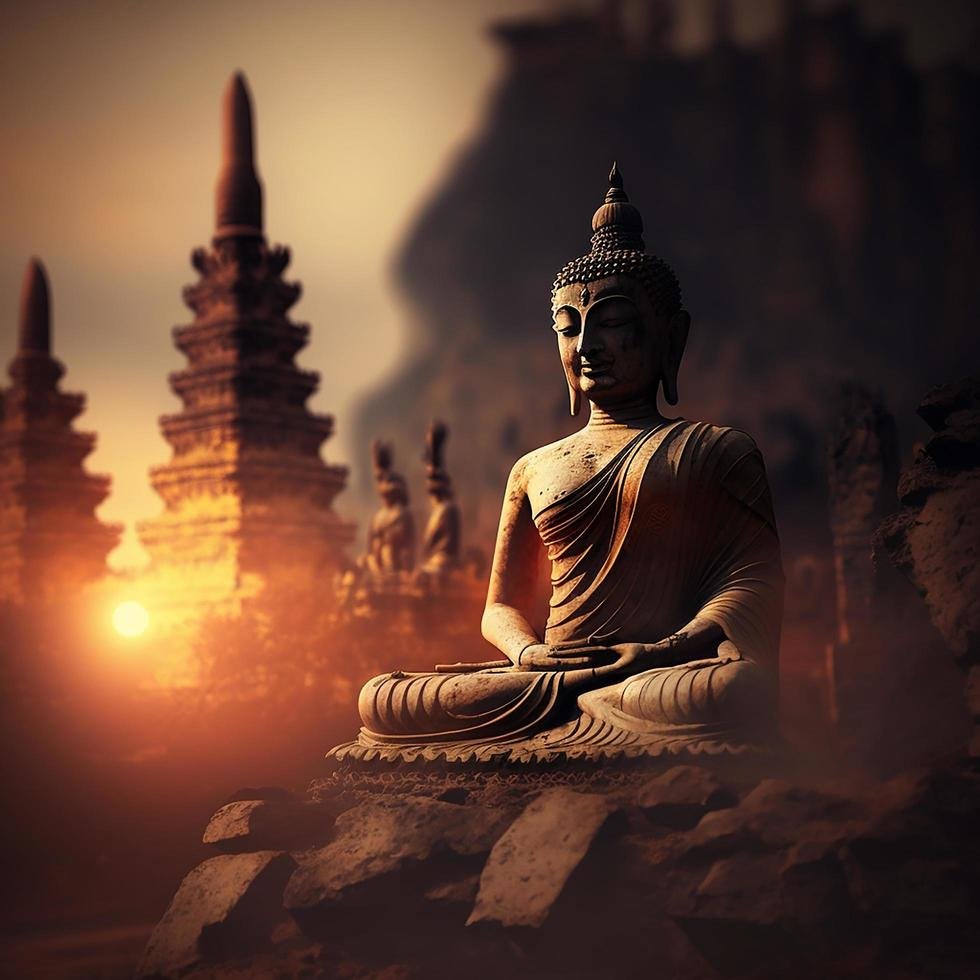
India, the birthplace of Buddhism, hosts a vibrant calendar of festivals that honor the teachings and milestones of Gautama Buddha. Buddhist Festivals in India are not just religious observances—they are cultural celebrations that bring together monks, pilgrims, and spiritual seekers from around the world. Held at sacred sites and monasteries, these festivals blend rituals, art, music, and meditation, offering a glimpse into the soul of Buddhist tradition.
Whether you’re a pilgrim tracing the Buddha’s path or a traveler seeking spiritual depth, these festivals offer transformative experiences rooted in compassion and mindfulness.
🛕 1. Buddha Purnima (Vesak)
- Significance: Commemorates the birth, enlightenment, and Mahaparinirvana (death) of Gautama Buddha.
- Date: Celebrated on the full moon day in April or May.
- Where: Bodh Gaya, Sarnath, Kushinagar, and other Buddhist sites.
- Highlights:
- Chanting of sutras and prayers.
- Offerings of flowers, lamps, and incense.
- Community feasts and charitable acts.
Buddha Purnima is the most important Buddhist festival in India, drawing thousands of devotees and international pilgrims.
🏞️ 2. Hemis Festival, Ladakh
- Significance: Honors Guru Padmasambhava, who introduced Tantric Buddhism to the Himalayas.
- Date: Held in June or July at Hemis Monastery.
- Where: Hemis Monastery, near Leh.
- Highlights:
- Masked dances (Cham) performed by monks.
- Traditional music and rituals.
- Display of the sacred thangka (scroll painting) once every 12 years.
Hemis Festival is a spectacular blend of spirituality and Himalayan culture.
🛕 3. Losar (Tibetan New Year)
- Significance: Marks the beginning of the Tibetan lunar calendar.
- Date: Celebrated in February or March.
- Where: Ladakh, Sikkim, Dharamshala, and Arunachal Pradesh.
- Highlights:
- Monastic rituals and offerings.
- Family gatherings and traditional meals.
- Cultural performances and prayer ceremonies.
Losar is a joyful celebration of renewal, community, and spiritual blessings.
🛕 4. Asalha Puja (Dhamma Day)
- Significance: Commemorates Buddha’s first sermon at Sarnath.
- Date: Celebrated on the full moon of the Hindu month Ashadha (June–July).
- Where: Sarnath and major monasteries.
- Highlights:
- Recitation of the Dhammacakkappavattana Sutta.
- Meditation sessions and teachings.
- Acts of generosity and reflection.
Asalha Puja honors the beginning of the Buddha’s teaching journey.
🛕 5. Kathina Ceremony
- Significance: Celebrates the end of the monastic retreat (Vassa) and the offering of robes to monks.
- Date: Held in October or November.
- Where: Bodh Gaya, Sarnath, and Theravada centers.
- Highlights:
- Lay devotees offer robes and essentials to monks.
- Community gatherings and merit-making.
- Rituals of gratitude and renewal.
Kathina reflects the bond between monastic and lay communities in Buddhism.
🛕 6. Ullambana (Ancestor’s Day)
- Significance: Honors ancestors and departed souls, inspired by the story of Maudgalyayana.
- Date: Celebrated in August or September.
- Where: Mahayana temples and monasteries.
- Highlights:
- Offerings to monks and rituals for the deceased.
- Acts of compassion and charity.
- Cultural performances and storytelling.
Ullambana is a festival of remembrance, compassion, and spiritual merit.
🛕 7. Drukpa Tshe Zhi
- Significance: Celebrates Buddha’s first turning of the Wheel of Dharma.
- Date: Observed in July.
- Where: Ladakh and Himalayan monasteries.
- Highlights:
- Prayer ceremonies and teachings.
- Masked dances and community rituals.
- Offerings and spiritual discourse.
Drukpa Tshe Zhi is a revered day in Vajrayana Buddhist traditions.
🛍️ Cultural Elements of Buddhist Festivals
- Rituals: Lighting of lamps, chanting of sutras, and offerings of flowers and incense.
- Art and Music: Thangka displays, drum performances, and sacred dances.
- Cuisine: Vegetarian feasts, butter tea, and traditional sweets.
- Souvenirs: Prayer flags, beads, incense, and handcrafted Buddhist art.
🚗 Travel Tips for Attending Buddhist Festivals in India
- Best Time to Visit: October to March for most festivals; summer for Ladakh.
- Permits: Required for border areas like Tawang and Ladakh.
- Etiquette: Dress modestly, maintain silence during rituals, and respect local customs.
- Booking: Plan early for accommodations near major monasteries and pilgrimage sites.
🌟 Conclusion: Why Buddhist Festivals in India Are Spiritually Enriching
Buddhist festivals in India are more than cultural events—they are gateways to peace, wisdom, and community. From the enlightenment of Buddha Purnima to the vibrant dances of Hemis, each celebration offers a unique opportunity to connect with the teachings of the Buddha and the living traditions of his followers.
Whether you’re attending in person or exploring virtually, these festivals invite you to pause, reflect, and celebrate the timeless path of compassion and mindfulness.











Leave a Reply