Best Auto Transport Carriers for 2026: Compare Rates Safely
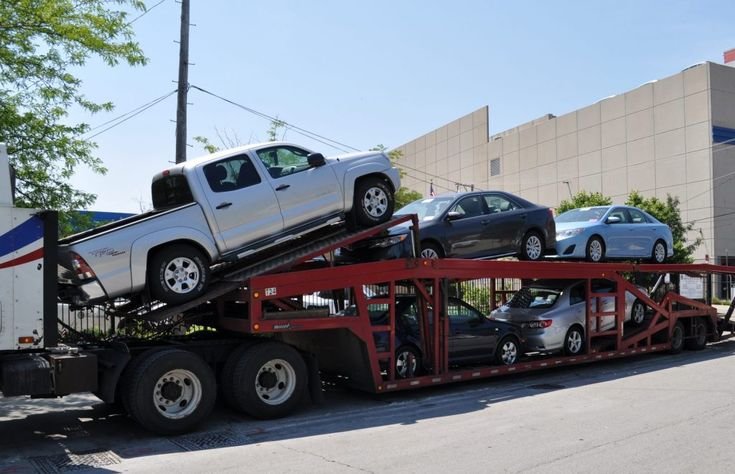
The American auto relocation landscape has shifted dramatically heading into 2026. With vehicle values at historic highs and smart technology streamlining routes, choosing the right auto transport carriers is no longer just about finding the lowest price. It is about protecting your second-largest investment.
Whether you are moving a classic car from Miami to Malibu, relocating for a job, or purchasing an electric vehicle across state lines, navigating the auto shipping industry requires strategy. This comprehensive guide from Rapid Auto Shipping breaks down how to identify top-tier carriers, compare rates without getting scammed, and ensure a seamless transport experience this year.
1. Brokers vs. Carriers: Understanding the Difference
Before entering your phone number into a quote calculator, you must understand who is actually moving your vehicle.
Auto Transport Carriers: These are the companies that own the physical trucks (open or enclosed trailers), employ the drivers, and physically transport your car from point A to point B.
Auto Transport Brokers: These are licensed logistics firms that act as intermediaries. They connect customers with a vast network of vetted, independent carriers.
The 2026 Reality: A great broker is your shield. Because thousands of single-truck carriers operate independently across the USA, a reputable company like Rapid Auto Shipping acts as your quality control manager—verifying cargo insurance updates, checking carrier safety ratings on the federal database daily, and securing volume discounts you cannot get on your own.
2. Choosing Your Transport Mode: Open vs. Enclosed
Your choice of carrier vehicle directly impacts both safety and pricing. Top auto transport carriers generally offer two primary tiers of service:
Open-Air Car Shipping
This is the standard multi-car trailer you see on major U.S. highways. It accommodates up to ten vehicles simultaneously, keeping costs low. It is highly efficient and perfectly safe for daily drivers, SUVs, and trucks, though your vehicle will be exposed to weather elements and road debris.
Enclosed Auto Transport
For luxury vehicles, electric cars, vintage collectibles, or high-end sports cars, enclosed trailers are non-negotiable. This method utilizes hard-sided, climate-sheltered trailers to seal your vehicle completely away from environmental hazards.
3. How to Safely Compare Rates without the Spam
The most common frustration for consumers seeking car shipping is the immediate flood of aggressive sales calls and spam emails. To compare rates safely in 2026, follow this strategic checklist:
Step 1: Verify Federal Licensing
Every legitimate carrier and broker must hold an active MC (Motor Carrier) number and USDOT number issued by the Federal Motor Carrier Safety Administration (FMCSA). If a company cannot provide these credentials immediately, walk away.
Step 2: Look Past the Lowest Bid
The oldest trick in the auto transport book is “lowballing.” A low-tier provider quotes an unsustainably low rate just to get your deposit, only for your car to sit stranded for weeks because no actual auto transport carriers will accept the job for that payout. When the price is raised at the last minute, your vehicle is effectively held hostage. Always aim for realistic, market-rate pricing.
Step 3: Demand Transparent Pricing Contracts
Ensure your quote includes all fees upfront. A reliable quote should account for:
Fuel surcharges (which fluctuate weekly)
Insurance deductibles
Door-to-door delivery variables
Tolls and seasonal route adjustments
4. Key Factors Driving Auto Shipping Rates in 2026
Vehicle shipping prices are highly dynamic. When building your budget, carriers calculate rates based on four core pillars:
| Pricing Factor | Impact on Cost | Pro-Tip for 2026 |
| Distance & Route | Major interstate routes (e.g., NY to LA) cost less per mile than remote, rural deliveries. | Meet a driver near a major highway to save on rural delivery fees. |
| Vehicle Size/Weight | Heavy SUVs, modified trucks, and EVs require more fuel and reduce carrier capacity. | Disclose all modifications (lift kits, roof racks) upfront to avoid penalties. |
| Seasonality | Rates spike during the “Snowbird” seasons (fall and spring) and peak summer moving months. | If flexible, book your transit during late winter or mid-autumn for the steepest discounts. |
| Operability | Inoperable vehicles that require specialized winches or forklifts to load cost significantly more. | Fix minor mechanical issues beforehand if it prevents a car from rolling and steering. |
5. The Rapid Auto Shipping Advantage
At Rapid Auto Shipping, we have spent years engineering a smarter, safer way to move vehicles across the USA. By combining a vast, rigorously vetted network of elite auto transport carriers with dedicated, single-point-of-contact customer service, we eliminate the anxiety from nationwide car moving.
We provide transparent, guaranteed quotes, real-time tracking updates, and comprehensive insurance coverage on every single route. Your peace of mind is our benchmark.
Get Your Free, No-Spam Quote Today
Ready to see how competitive safe shipping can be? Skip the high-pressure sales calls and get a transparent, market-accurate rate tailored to your schedule.
About The Author