

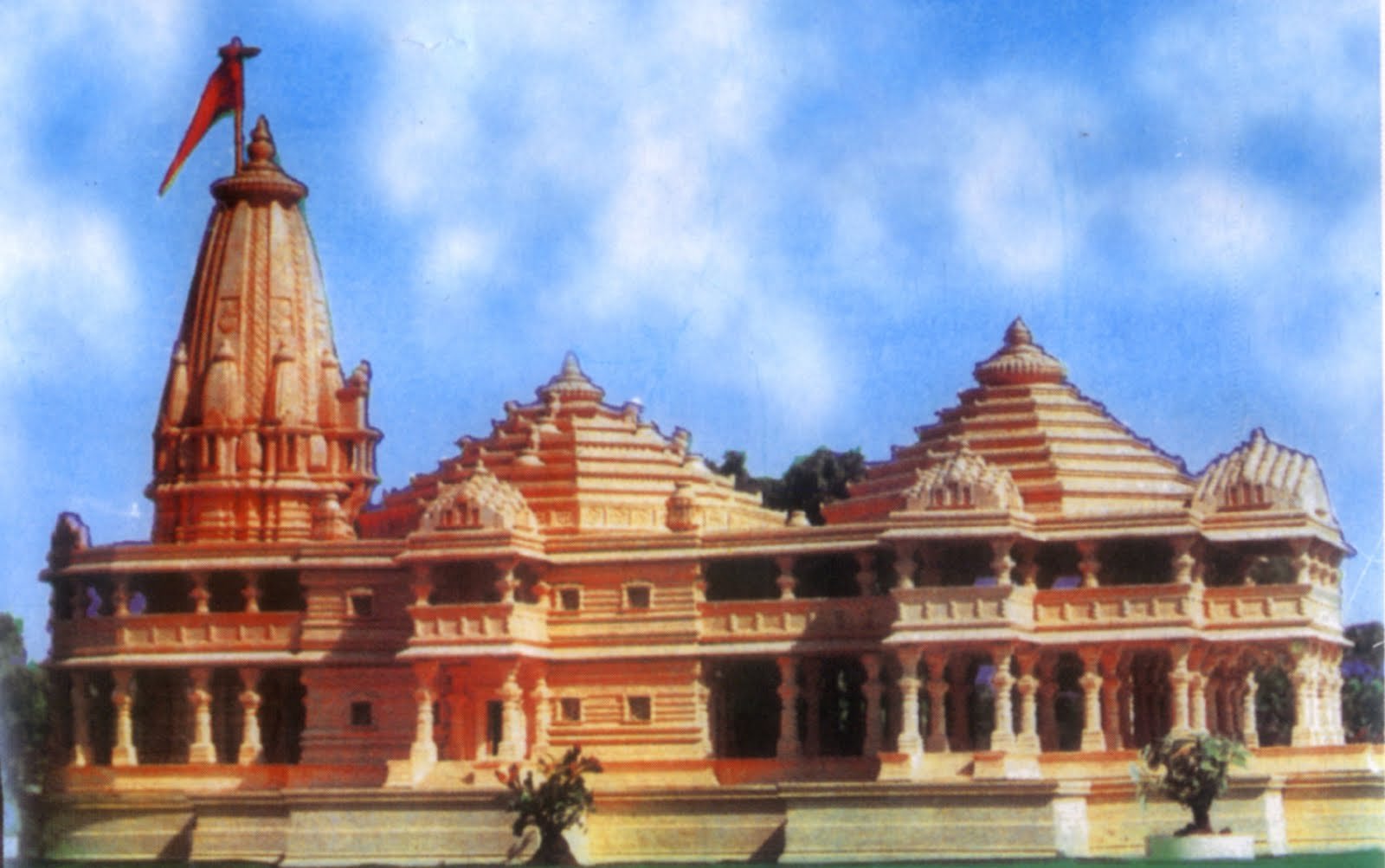
Ayodhya, located in Uttar Pradesh, is revered as the birthplace of Lord Rama and holds immense significance in Hindu mythology. Ayodhya tourist places are a blend of temples, ghats, palaces, and cultural landmarks that narrate the city’s timeless spiritual and historical legacy. Known as one of the Sapta Puri (seven most sacred cities in Hinduism), Ayodhya attracts millions of pilgrims and tourists every year.
This article explores Ayodhya’s most popular attractions, their cultural importance, and what makes them must-visit destinations.
🌍 Spiritual Significance of Ayodhya
- Birthplace of Lord Rama: Central to the Ramayana epic.
- Pilgrimage Hub: One of the most sacred Hindu cities.
- Cultural Heritage: Rich traditions, festivals, and rituals.
- Tourism Growth: With the Ram Mandir inauguration, Ayodhya has become a global spiritual destination.
🧭 Major Ayodhya Tourist Places
1. Ram Janmabhoomi Temple
- The most important site in Ayodhya, believed to be the birthplace of Lord Rama.
- Newly constructed grand temple attracts millions of devotees.
- Architectural marvel combining tradition and modern design.
2. Hanuman Garhi
- A fortress-like temple dedicated to Lord Hanuman.
- Pilgrims believe visiting Hanuman Garhi is essential before Ram Janmabhoomi darshan.
- Offers panoramic views of Ayodhya city.
3. Kanak Bhawan
- Gifted to Goddess Sita by Queen Kaikeyi after her marriage.
- Known for its golden idols of Lord Rama and Sita.
- A serene temple with intricate architecture.
4. Nageshwarnath Temple
- Dedicated to Lord Shiva.
- Believed to have been established by Kush, son of Lord Rama.
- Important during the Shivratri festival.
5. Dashrath Bhavan
- Palace where King Dashrath, father of Lord Rama, lived.
- Now a temple with daily prayers and cultural performances.
6. Ram Ki Paidi
- Series of ghats along the Sarayu River.
- Famous for evening aarti and festive celebrations.
- Pilgrims take holy dips here.
7. Sita Ki Rasoi
- Believed to be Goddess Sita’s kitchen.
- Symbolizes domestic life and devotion.
8. Gulab Bari
- Garden tomb of Nawab Shuja-ud-Daula.
- Blend of Mughal and Awadhi architecture.
- Surrounded by rose gardens and fountains.
9. Raj Dwar Mandir
- Important temple with historical significance.
- Known for its peaceful atmosphere.
10. Ayodhya Deepotsav
- Annual festival celebrating Lord Rama’s return to Ayodhya.
- Millions of lamps lit along the Sarayu ghats.
- Recognized globally for its grandeur.
🪷 Other Notable Attractions
- Treta Ke Thakur Temple: Houses idols carved from black stone.
- Tulsi Smarak Bhawan: Dedicated to poet Tulsidas, author of Ramcharitmanas.
- Imambada: Reflects Awadhi Islamic architecture.
- Mani Parbat & Sugriv Parbat: Hillocks associated with Ramayana legends.
🎉 Festivals and Cultural Experiences
- Ram Navami: Celebrated with grandeur at Ram Janmabhoomi.
- Diwali & Deepotsav: Millions of diyas illuminate the city.
- Makar Sankranti: Holy dips in Sarayu River.
- Shravan Jhula Mela: Celebrated at temples with processions.
🌱 Activities for Tourists
- Attend evening aarti at Sarayu ghats.
- Explore temples and palaces with guided tours.
- Participate in cultural festivals.
- Shop for handicrafts and religious souvenirs.
- Taste local Awadhi cuisine.
🧳 Essentials for Visiting Ayodhya
- Best time: October to March (pleasant weather).
- Dress modestly for temple visits.
- Carry essentials like water, hats, and sunscreen.
- Respect local customs and traditions.
📈 Economic and Cultural Impact
- Boosts tourism revenue in Uttar Pradesh.
- Creates jobs for guides, artisans, and hospitality workers.
- Promotes handicrafts and local cuisines.
- Strengthens India’s cultural diplomacy.
🌿 Sustainable Tourism in Ayodhya
- Avoid littering at sacred sites.
- Support eco-friendly accommodations.
- Respect local communities.
- Participate in conservation initiatives.
🌄 Future of Ayodhya Tourism
- Global Promotion: Positioning Ayodhya as a world-class spiritual destination.
- Infrastructure Growth: Improved transport and facilities.
- Digital Pilgrimage: Virtual tours of temples and ghats.
- Community-Based Tourism: Greater involvement of locals.
✨ Conclusion
Ayodhya tourist places are not just attractions—they are living symbols of India’s spiritual and cultural heritage. From the grandeur of Ram Janmabhoomi Temple to the serenity of Sarayu ghats, from Hanuman Garhi’s devotion to Gulab Bari’s Mughal charm, Ayodhya offers a journey that blends faith, history, and tradition.
For pilgrims, Ayodhya is a sacred destination. For travelers, it is a cultural treasure. As Ayodhya continues to grow as a global spiritual hub, its tourist places will remain timeless, inspiring generations with stories of devotion and resilience.











Leave a Reply