Solar Power for Your Home: A Guide for Philippine Homeowners
Solar power for your home is a clean, effective and reliable technology.
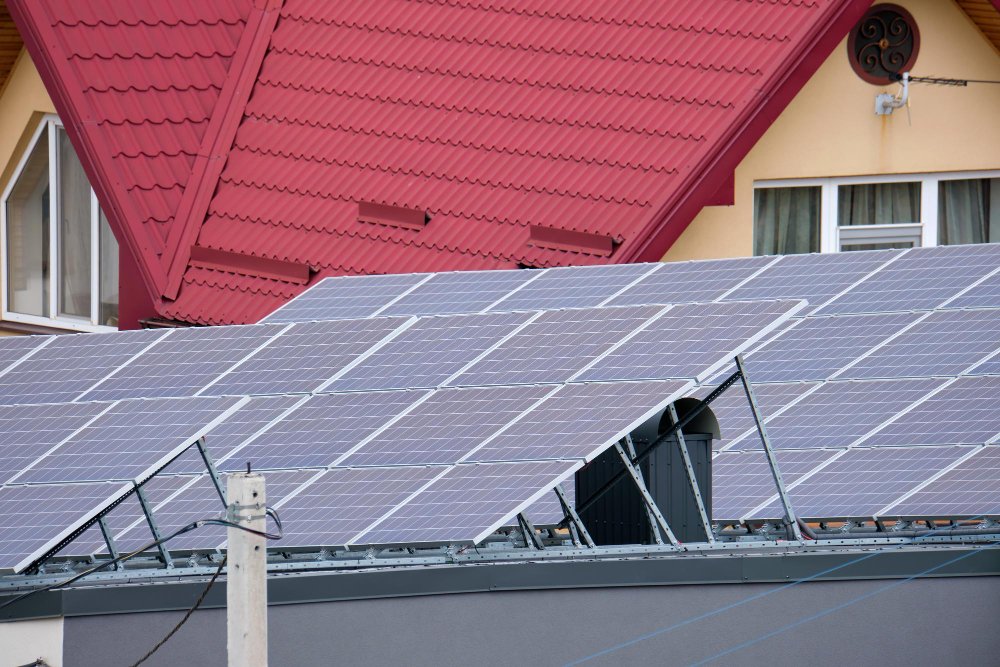
Because of the high electricity bills that homeowners in the Philippines experience, many are looking for better ways to power their homes. And if you’re one of these many individuals, then surely you’ve thought about switching to solar power for your home.
The rising cost of electricity makes solar energy a very good alternative. But to better understand everything, we’ll need to show you the basic process step by step. Here, we’ll be explaining the main parts and how they work together to create electricity.
What is Solar Power?
Hence its name, solar power is energy created from sunlight (a.k.a. solar energy). Because it came from the sun, this energy source is free, clean, and can be used again and again.
The system installed on your roof takes the sun’s rays and turns them into usable power. This is incredibly easy in the Philippines since the country has abundant sunshine, making this system highly effective.
The Main Parts of a Solar System
Solar Panels
These are the flat, rectangular items you see mounted on the roof. They contain many small power squares that capture the energy from the sun.
Inverter
This small but important box changes the type of electricity created by the panels.
Mounting System
This is the hardware that safely and securely attaches the panels to your roof.
Electric Meter
This device records how much electricity your home uses and how much your panels produce.
Why Understanding the Process Matters
Understanding the process helps you feel better about the money you spent. Because knowing the basics of your solar system gives you more control. It allows you to track your energy production and savings accurately. When you know the parts, you can take better care of the system later on. Not to mention, you’ll also be able to explain the financial and environmental benefits to your friends.
Making Energy Clean and Simple
The process of turning sunlight into usable home power is actually quite simple. It doesn’t have any moving parts, so it needs very little work to keep it running. The system quietly produces power every time the sun is shining brightly. This clean energy is delivered right into your home’s electrical system. So this means your lights and appliances run on power made right on your own roof.
How Solar Power for Homes Works Step-by-Step
Step 1: Capturing Sunlight and Making DC Power
The solar panels on your roof are made of many small power squares. When the sun shines on these panels, the squares absorb the light. This light energy moves tiny power pieces inside the squares. These moving power pieces create a flow of Direct Current (DC) electricity. Think of DC electricity as the kind used to power a car battery. It can travel only one way.
Step 2: Converting to AC Power
Your home appliances, like your television or refrigerator, use a different kind of electricity. They run on Alternating Current (AC) electricity that travels in waves. The DC electricity that’s created by the panels must be changed into AC electricity. This is the job of the inverter. The inverter takes the DC electricity from the panels and changes it into AC electricity. Then, this new AC power is safe and ready to be used by your entire house.
Step 3: Powering Your Home and the Grid
Once the solar power is changed to AC, it moves into your home’s main power box. The power always goes the easiest way, first flowing directly to run any appliances or lights you have turned on. Remember, this is free energy you’re making for yourself. And if your solar panels make more electricity than you are using, the extra power is sent back to the main utility grid, a process called net metering.
What’s more, when you send power back to the grid, the utility company credits your account, and your electric meter spins backward to show the power you put back. But, when the sun is not shining, at night or on very cloudy days, for instance, your home simply draws the power it needs from the utility grid, just like before. Your new meter then keeps track of both the power you pull from the grid and the power you send back. This way, you’re making sure you only pay for the net amount of electricity you actually use.
Key Takeaway
Solar power for your home is a clean, effective and reliable technology. The process moves from the sun’s light to DC electricity, which the inverter changes to AC power. This power then runs your home and sends any extra energy back to the grid for credits. This process is simple, quiet, and uses the Philippines’ best natural resource to save you money.
About The Author