MCCB Circuit Breakers: Protecting High-Load Circuits with Precision
In every modern electrical system—whether in homes, commercial spaces, or industries—safety and power management are top priorities. High-load circuits carry substantial electrical current, making them vulnerable to overloads, short circuits, and faults that can damage equipment or create dangerous situations. This is where MCCB circuit breakers come into play. Efficient, reliable, and designed for high-capacity protection, MCCBs are essential components that ensure safe power distribution with precision.
This guest post explores how MCCBs work, their benefits, key features, usage applications, and tips to select the right one for your specific requirements.
What Are MCCB Circuit Breakers?
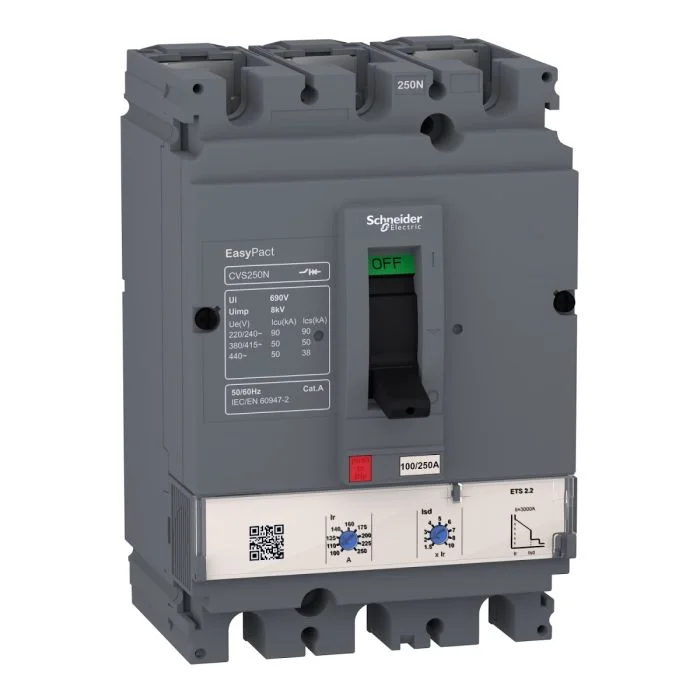
MCCB stands for Moulded Case Circuit Breaker. MCCBs are advanced protective devices that automatically interrupt electrical flow when they detect abnormalities such as overload, short circuits, or ground faults.
Unlike MCBs (Miniature Circuit Breakers), which are used for low to moderate loads, mccb circuit breakers are specially crafted to handle high current ratings, typically ranging from 100A to 1600A or more. Their rugged design and adjustable trip settings make them highly versatile for both residential and industrial applications.
Why MCCB Circuit Breakers Are Crucial for High-Load Circuits
High-load circuits require a far greater level of protection due to increased current demand. Without accurate and stable protection, several dangers can arise:
- Electrical fires due to overheating
- Damage to expensive equipment and appliances
- Complete system failure from short circuits
- Safety hazards like electric shock or arc faults
MCCB circuit breakers ensure that high-power systems remain safe by detecting faults and instantly cutting off power, preventing damage before it escalates.
Key Features of MCCB Circuit Breakers
Understanding the main features of MCCBs helps users select the right type for their electrical setup.
1. High Current Capacity
MCCBs are built for high-load applications, offering:
- Rated currents from 100A up to 1600A
- Adjustable thermal settings
- High breaking capacity, allowing safe interruption of fault currents
This makes MCCBs suitable for heavy machinery, industrial equipment, and high-capacity electrical lines.
2. Adjustable Trip Settings
One of the biggest advantages of electrical mccb devices is adjustable trip characteristics. These settings help customize protection based on:
- Load type
- Circuit design
- Power requirements
Adjustable tripping improves precision and reduces unnecessary power interruptions.
3. Thermal and Magnetic Protection
MCCBs use dual protection mechanisms:
- Thermal protection for overloads
- Magnetic protection for instant short-circuit response
This ensures comprehensive safety, even in unpredictable conditions.
4. Durable Moulded Case Construction
The outer shell of an MCCB is made from tough molded insulating material that:
- Protects internal components
- Prevents electrical leakage
- Enhances device durability
- Provides heat resistance
This robust construction makes MCCBs reliable in both harsh and high-temperature environments.
5. Higher Breaking Capacity
Breaking capacity refers to the maximum fault current the breaker can safely interrupt. MCCBs have higher breaking capacities than traditional MCBs, making them ideal for high-power circuits where the risk of large fault currents is greater.
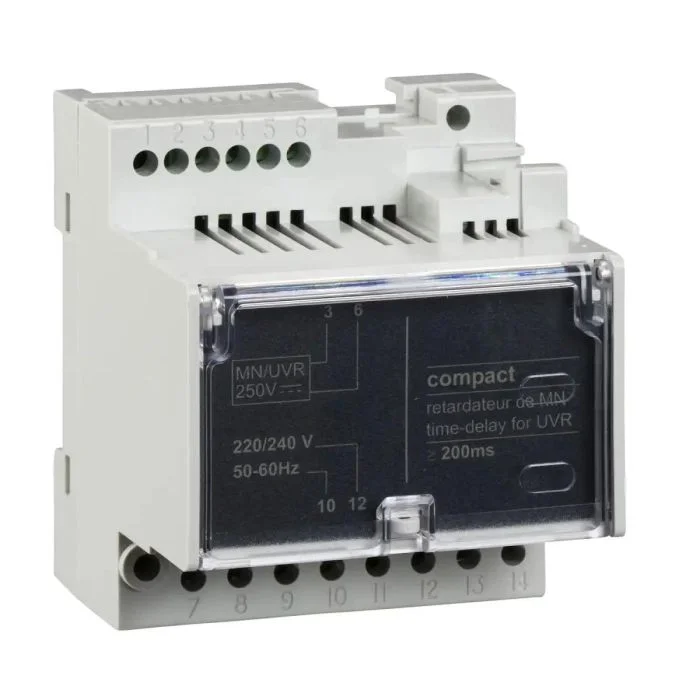
6. Support for Advanced Accessories
Many modern MCCBs can accommodate advanced accessories such as:
- Shunt trips
- Under-voltage releases
- Auxiliary contacts
- Alarm switches
These accessories enable enhanced control, remote monitoring, and precise automation in complex electrical networks.
Applications of MCCB Circuit Breakers
Because of their superior performance and broader capacity range, mccb circuit breakers are used in a wide range of applications:
1. Industrial Facilities
Factories rely on MCCBs to protect heavy-duty machinery like motors, compressors, and control panels. Their high breaking capacity ensures safe interruption of massive fault currents, preventing downtime and equipment loss.
2. Commercial Buildings
Office towers, malls, hospitals, and hotels use MCCBs for:
- Central power distribution
- HVAC systems
- Elevator circuits
- Backup generator power lines
Their reliability ensures the uninterrupted operation of essential systems.
3. Residential Complexes
Although high-load requirements are less common in individual homes, large residential buildings and villas may use electrical mccb devices for centralized load distribution or specialized circuits such as:
- Solar power systems
- High-capacity air conditioning
- Water heating systems
4. Infrastructure Projects
MCCBs are found in airports, railways, power plants, and public infrastructure because they offer unmatched safety and durability even in extreme environments.
How MCCBs Work: The Science Behind the Protection
MCCBs automatically disconnect the power when abnormal current is detected. This happens through two mechanisms:
Thermal Trip Unit – Protecting Against Overload
Overloaded circuits generate heat. The thermal mechanism uses a bimetallic strip, which bends when heated and triggers the breaker to open the circuit.
Magnetic Trip Unit – Protecting Against Short Circuits
Short circuits cause a sudden surge in current. The magnetic unit responds instantly by using an electromagnet to trip the breaker almost immediately, preventing dangerous impacts.
How to Choose the Right MCCB for Your Needs
When selecting an MCCB, consider these essential factors:
1. Load Requirements
Know your:
- Maximum current
- Load type (resistive or inductive)
- Starting current of motors
This helps choose the correct rated current and breaking capacity.
2. Trip Adjustment Range
Select a model with adjustable thermal and magnetic trip settings for more precise protection.
3. Breaking Capacity (kA Rating)
Higher kA ratings provide better protection for high-fault current environments.
4. Environmental Conditions
Check if the MCCB is suitable for:
- High temperatures
- Dusty or humid environments
- Corrosive conditions
5. Brand Reliability and Standards
Only choose MCCBs from trusted brands that follow international electrical safety standards. This guarantees long-term performance and consistent operation.
Common Mistakes to Avoid While Selecting an MCCB
Avoid these errors when working with electrical mccb devices:
- Choosing low-capacity breakers for high-load circuits
- Ignoring the breaking capacity
- Not considering future load expansion
- Skipping professional installation
- Selecting non-certified or counterfeit products
Installation Tips for Optimal Safety
To ensure maximum safety:
- Always use a certified electrician
- Verify cable size compatibility
- Keep proper grounding and earthing
- Follow manufacturer guidelines
- Periodically test MCCB operation
Proper installation and maintenance ensure flawless protection and a longer life span.
The Future of MCCB Technology
Modern MCCBs are evolving with smart features like:
- Remote monitoring
- Real-time fault detection
- Energy consumption tracking
- IoT-enabled controls
These innovations help businesses and homeowners improve energy efficiency and system reliability.
Conclusion
Protecting high-load circuits requires a robust, efficient, and reliable solution—and mccb circuit breakers provide just that. Their advanced features, superior breaking capacity, and adjustable settings make them indispensable for modern electrical systems. Whether used in residential complexes, industries, or commercial spaces, an electrical mccb ensures precise protection, minimizes downtime, and enhances safety across all applications.
For high-quality MCCBs designed with advanced safety features, long-lasting durability, and industry-leading performance, Schneider Electric eShop offers a trusted selection that delivers protection with precision.
About The Author