Stackable Plastic Furniture: Space-Saving How-To Guide
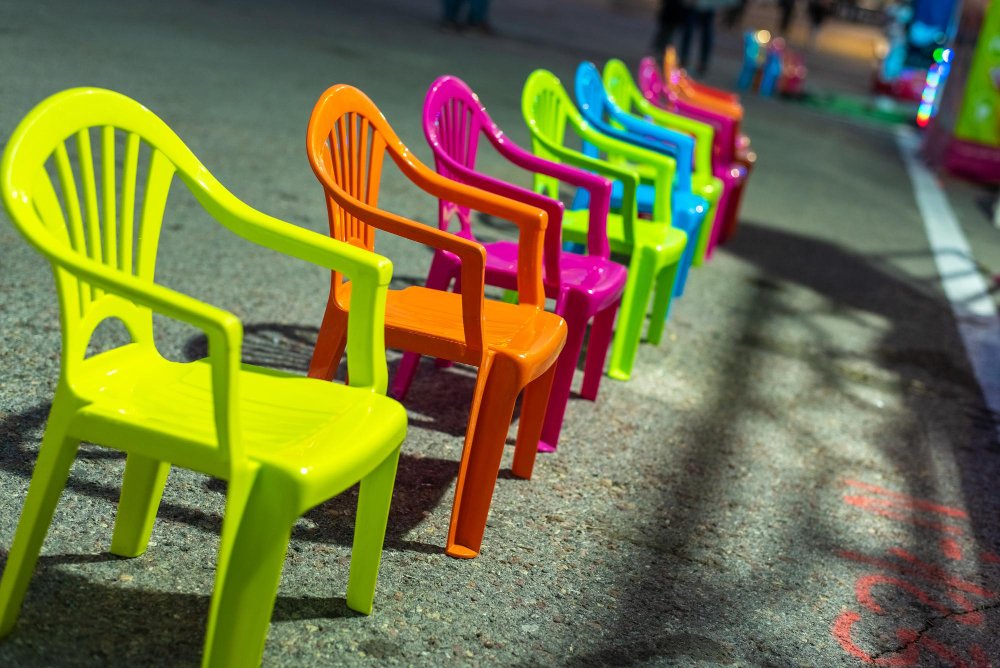
Stackable designs offer smart ways to organize and reclaim floor space in any setting. This guide explores the many ways you can use plastic furniture to tidy up your home. These versatile pieces provide practical solutions for people living in smaller apartments or those who simply need more room. They are lightweight, easy to clean, and simple to move around. The stackable nature means you can put them away quickly when they are not in use.
Why Stackable Plastic Furniture Works Well
The main feature of this type of furniture is its ability to be piled up neatly. This design saves a significant amount of space. Plastic furniture also offers good durability for its low cost. It resists moisture, which makes it perfect for both indoor and outdoor use.
Benefits of Plastic as a Material
You can leave a stack of plastic chairs outside without worrying about rust or water damage. Plastic is a material that requires little to no special maintenance. This feature makes it a simple choice for busy individuals. The wide range of colors and designs available means this furniture can fit almost any personal taste.
How to Stack Common Items
Stacking items properly ensures they are safe and protected when put away. Always clean and dry each piece before putting it in a stack. Dirt can cause pieces to stick or scratch the surfaces.
Stacking Chairs and Stools
Chairs and stools are perhaps the most common forms of stackable furniture. Stack the chairs straight up, aligning the legs and seats carefully. Most chairs have a design that lets the seat of one nestle into the one below it. Do not stack them too high, as this creates a tipping hazard. Five to six chairs is usually a safe and manageable height for storage.
Stacking Tables
Stackable tables are useful, especially for events or temporary workspaces. Unlike chairs, plastic tables may not stack directly on top of each other. They often feature legs that fold flat against the tabletop. Once the legs are folded, you can lean several tables against a wall to save space. Some designs let you stack them flat on top of one another. They may have small plastic feet or raised edges. For this method, place a thin sheet of cardboard or fabric between the tabletops to prevent scratches. This small step protects the surface and keeps the tables looking new.
Organizing with Plastic Containers
Plastic storage bins and drawers are some of the best tools for organization. These containers come in many sizes and are designed to lock or fit securely together. You can build a custom storage wall to hold toys, craft supplies, or pantry items. Using clear or labeled bins makes it easy to find what you need quickly.
Maximizing Vertical Space
This system keeps small items off the floor and contained in one vertical space. A good storage system uses the full height of a closet or shelf. Some shelving units are also made from interlocking plastic pieces. These units are versatile. You can assemble them into various shapes and sizes. You can start with a small two-shelf unit and easily add more pieces later.
Where to Use Stackable Furniture
Stackable furniture works well in areas that serve multiple purposes. These pieces allow you to quickly change how a space is used.
Outdoor and Guest Use
Think about a patio that is used for dining one day and open play the next. You can quickly bring out the chairs and tables and put them away just as fast. They are great for small balconies where you only want seating when you are outside enjoying the view. Inside the home, stackable chairs can be kept in a closet or laundry room for when guests arrive.
Utility and Storage Areas
Garages and workshops also benefit from stackable storage units to keep tools and materials organized. These units are lighter and simpler to put together than traditional wood or metal shelving. They are simple to assemble. This means you can change the arrangement as your storage needs change. They are also very easy to clean with just a damp cloth.
Maintaining Stacked Pieces
Even though plastic is durable, it can still get damaged if not stored properly. The most common damage is scratches from pieces rubbing together.
Simple Protection Steps
Using soft protectors like felt pads or thin fabric sheets between surfaces helps a lot. Store your stacked pieces in a cool, dry place away from direct sunlight for long periods. Direct sun can cause some plastics to become brittle or change color over time. Make sure the storage area is stable so the stacks do not fall over. A stack that is too tall can fall easily and cause damage.
Key Takeaway
Stackable designs provide excellent options for managing space and keeping a tidy home. These versatile pieces allow you to use a room for different activities and then quickly clear the floor. Knowing how to store and protect your plastic furniture ensures it stays in good condition for many years of use. These simple solutions are key to maximizing space in small living areas.
About The Author