

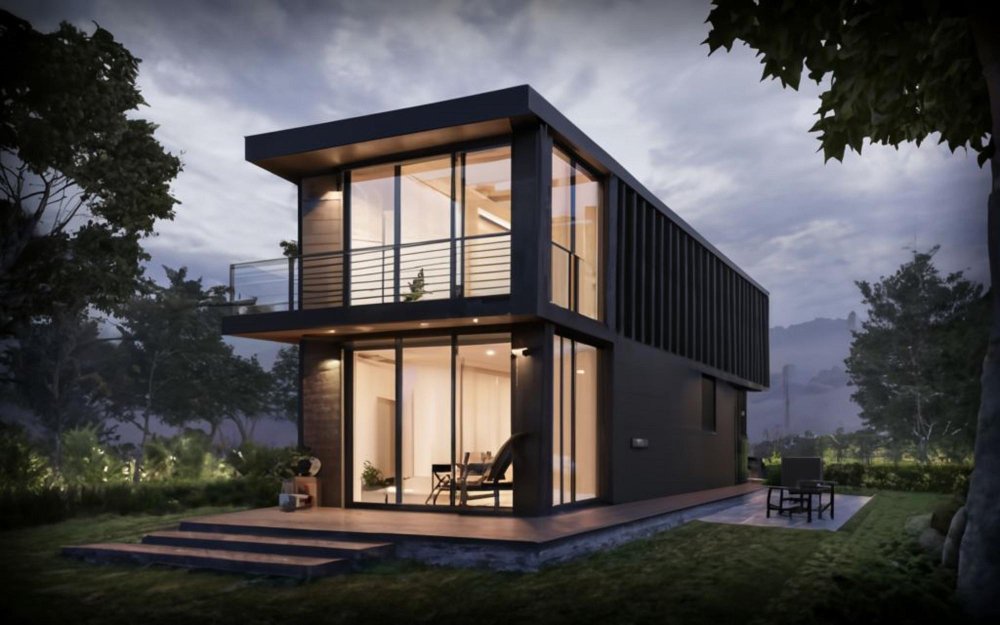
Temporary office buildings provide a flexible and cost-effective solution for businesses that need space without committing to permanent construction. These structures can be set up quickly, adapted to different requirements, and removed when no longer needed. Temporary office buildings serve a range of industries, from construction projects to seasonal operations, offering practical solutions for dynamic business needs.
1. Construction Companies
Construction companies often require on-site office space for project management, meetings, and storage of documents. Temporary office buildings can be set up near the worksite, reducing travel time and improving coordination. These buildings offer a comfortable work environment while keeping staff close to operations, making project oversight more efficient and organized.
2. Event Management Firms
Event management firms need flexible spaces for planning and coordinating events. Temporary office buildings can serve as headquarters during large festivals, conferences, or exhibitions. They provide areas for meetings, staff coordination, and storage of materials, helping teams work effectively while keeping the temporary nature of the project in mind.
3. Seasonal Retail Businesses
Retail businesses that operate during peak seasons, like holidays or tourist periods, benefit from temporary office buildings. These structures can act as administrative centers or storage for inventory. The ability to set up quickly and dismantle after the season allows businesses to expand operations without long-term commitments or high costs.
4. Film and Media Production Companies
Film and media production companies often work on projects at various locations. Temporary office buildings provide spaces for production offices, dressing rooms, and equipment storage. They offer privacy and organization without the need for permanent construction, allowing teams to adapt to changing locations and project timelines.
5. Disaster Relief Organizations
Disaster relief organizations require immediate and flexible workspaces during emergencies. Temporary office buildings can be set up in affected areas to coordinate relief efforts. These buildings provide spaces for staff, volunteers, and storage of supplies, enabling efficient response and planning during critical situations.
6. Research and Development Teams
Companies conducting field research or product testing often need temporary workspaces close to project sites. Temporary office buildings provide laboratories, offices, and meeting areas in one flexible location. Teams can use the space for experiments, analysis, and collaboration without investing in permanent facilities.
7. Manufacturing Expansions
Manufacturers experiencing short-term increases in production may require additional office space. Temporary office buildings can house administrative staff, planning teams, and support operations. These structures allow businesses to manage temporary growth efficiently, supporting operations while avoiding permanent expansion costs.
8. Startups and Small Businesses
Startups and small businesses often face uncertain growth and changing space requirements. Temporary office buildings offer affordable, adaptable options for administrative and operational activities. Businesses can scale up or down quickly, using the flexible space to meet fluctuating needs without committing to long-term leases or construction projects.
9. Educational Institutions and Training Programs
Educational institutions sometimes need extra office space during renovations, enrollment increases, or short-term programs. Temporary office buildings can support administrative staff, faculty offices, or training coordination. These spaces allow schools and training centers to continue daily operations without disruption while maintaining a functional and organized work environment.
10. Healthcare Outreach and Mobile Clinics
Healthcare providers running outreach programs or temporary clinics need administrative areas near service locations. Temporary office buildings can support scheduling, patient records, and staff coordination. These structures help organize operations during health campaigns, testing programs, or short-term medical services without relying on permanent facilities.
11. Government and Public Sector Projects
Government agencies managing infrastructure projects or public programs often require short-term office space. Temporary office can support planning teams, field offices, and administrative functions. These structures allow agencies to operate efficiently near project sites while keeping costs controlled and timelines flexible.
12. Logistics and Distribution Operations
Logistics companies managing temporary hubs or peak delivery periods may need added office space. Temporary office buildings can support dispatch teams, supervisors, and documentation processes. Having offices close to warehouses or transport areas helps improve communication, scheduling accuracy, and overall workflow management.
13. Environmental and Conservation Projects
Organizations working on environmental studies or conservation efforts often operate in remote areas. Temporary office buildings provide workspace for data analysis, reporting, and team coordination. These structures allow project teams to stay close to field activities while maintaining an organized and functional office setup for short-term initiatives.
14. Utility and Infrastructure Maintenance Teams
Utility providers working on short-term repairs or upgrades often need nearby office space. Temporary office buildings can support planning, scheduling, and staff coordination. These offices allow teams to manage documentation and daily tasks close to work zones, helping projects stay organized during limited service periods.
15. Telecommunications Deployment Projects
Telecommunications companies rolling out network upgrades or new installations require temporary field offices. Temporary office buildings provide space for engineers, planners, and support staff. Having offices near installation sites improves coordination, reporting, and communication while avoiding the need for permanent structures.
16. Mining and Resource Exploration Companies
Mining and exploration projects often operate in remote locations for limited durations. Temporary office can house administrative teams, project managers, and technical staff. These structures support planning, reporting, and coordination while allowing operations to relocate easily as exploration areas change.
17. Agricultural Operations and Agribusiness Projects
Agricultural businesses managing planting, harvesting, or pilot programs may need short-term office space. Temporary office can support planning, inventory tracking, and staff management. These offices allow agribusiness teams to coordinate seasonal activities without committing to permanent construction.
18. Corporate Renovation and Relocation Phases
Companies undergoing office renovations or relocations may need interim workspaces. Temporary office can host employees, managers, and support teams during transitions. These spaces help maintain productivity and business continuity while permanent offices are being updated or prepared.
Key Takeaway
Temporary office buildings provide versatile solutions for a wide range of businesses. From construction sites to seasonal retail, these structures offer practical, cost-effective, and flexible office space. Companies can maintain efficiency and adapt to changing project requirements, making temporary office a valuable resource for dynamic and short-term business needs.













Leave a Reply