What to Avoid After Implant Surgery in Crewe
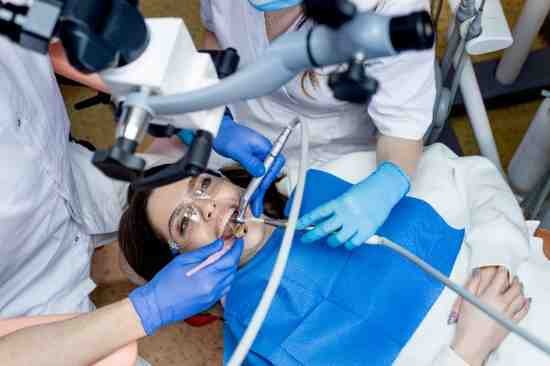
Choosing dental implants is a significant step toward restoring your smile, particularly for patients seeking dental implants Crewe to rebuild oral stability and function. While the surgical procedure is a major milestone, the aftercare period plays an equally important role in ensuring long-term success. The implant needs time to settle, integrate with the jawbone and adapt to the surrounding tissues. During this period, certain actions and habits can interfere with recovery..
Immediate Post-Surgery Restrictions
The first few days after implant surgery are the most delicate. During this early phase, protecting the surgical site helps reduce irritation and supports natural healing.
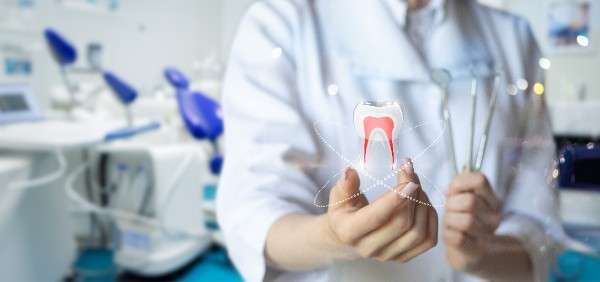
Avoid Touching the Area
Using fingers or the tongue to touch the surgical site can disrupt the clot and introduce bacteria. The implant area should be left undisturbed to allow tissue repair to begin properly.
Avoid Strenuous Movement
Sudden pressure or unnecessary movement of the mouth can strain the healing tissue. This includes exaggerated jaw motions, chewing very tough food or clenching.
Food and Drink Habits to Avoid
What you consume after surgery has a direct effect on comfort and healing. Certain choices can cause irritation, prolong tenderness or interfere with the early stabilisation of the implant.
Avoid Hot Drinks and Meals
High temperatures can increase swelling and disrupt the developing clot. Warm or room-temperature foods are a safer option in the early days as the tissues settle.
Avoid Hard, Crumbly and Chewy Foods
Food that requires excessive pressure or causes fragments to scatter can disturb the area. These items may include crusty bread, nuts or tough meats.
Avoid Fizzy Drinks and Sugary Liquids
Carbonated drinks or those with high sugar levels can irritate the tissues and increase the risk of bacterial growth. Choosing gentle, low-acid options helps maintain comfort.
Habits That Can Disrupt Healing
Some everyday habits may seem harmless but can slow healing significantly after dental implants Crewe implant treatment.
Avoid Smoking
Smoking reduces oxygen supply in the tissues, affecting the body’s capacity to heal. It also increases the risk of infection and can compromise osseointegration.
Avoid Alcohol Consumption
Alcohol can dry the tissues, slow healing and interfere with the body’s natural repair cycle. Avoiding alcohol during the early weeks helps keep the tissues in the best possible condition.
Avoid Excessive Physical Activity
High-intensity exercise can increase blood pressure and contribute to additional swelling or discomfort. Gentle movement is fine, but strenuous workouts are best avoided until advised otherwise.
Oral Care Mistakes to Avoid
Good oral hygiene is crucial after implant surgery, but it must be carried out safely and carefully.
Avoid Brushing Directly Over the Surgical Site Initially
While the surrounding teeth should still be cleaned, direct brushing on the implant site too soon can disturb healing. Soft brushing can resume closer to the area once swelling reduces.
Avoid Vigorous Rinsing
Strong rinsing motions can loosen the developing clot. Any rinsing should be gentle, especially within the first 24 hours. This prevents unnecessary disturbance of the healing tissues.
Avoid Harsh Mouthwashes Unless Recommended
Some products contain ingredients that may dry or irritate the gum tissue. Only solutions approved or recommended by the practitioner should be used during recovery.
Situational Behaviours to Avoid
Certain actions or reactions can interfere with the settling of the implant and should be avoided during the early stages of healing.
Avoid Sleeping on the Implant Side
Pressure from the pillow can increase swelling or cause discomfort. Keeping pressure off the surgical side protects the tissues and reduces irritation.
Avoid Excessive Talking in the First Day
Constant jaw movement can strain the muscles and tissues supporting the implant. Reducing unnecessary chatter helps ease tension in the early hours after surgery.
Avoid Ignoring Signs of Discomfort
Although some tenderness is normal, persistent or increasing discomfort should not be overlooked. Early communication with the practitioner helps prevent complications.
Understanding Longer-Term Restrictions
Healing continues long after the initial swelling subsides. Even once the implant feels comfortable, certain restrictions remain important as osseointegration progresses.
Avoid Biting Hard Objects During the Healing Phase
Chewing pens, biting ice or applying unnecessary force to the teeth can disrupt the bond forming between the implant and bone. Gradual reintroduction of tougher foods should be guided by the practitioner.
Avoid Skipping Appointments
Routine assessments allow the practitioner to monitor progress and adjust aftercare instructions. Missing these appointments can delay intervention if any issue arises.
Avoid Rushing Into Additional Treatments
Treatments that require structural pressure, including teeth straightening options like invisalign Crewe, must only begin when the implant is fully stable.
Behaviours That Interfere With Gum Health
Healthy gums are essential for supporting an implant. Maintaining the right habits helps ensure stable long-term results.
Avoid Neglecting the Gumline
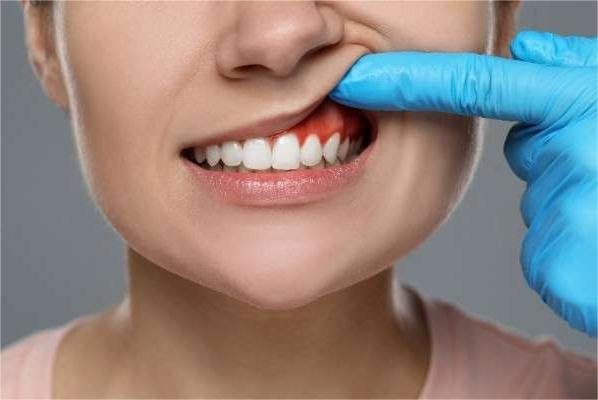
Even though the implant is healing, the rest of the mouth still needs consistent cleaning. Avoiding gum care can contribute to plaque build-up, which may affect surrounding tissues.
Avoid Unbalanced Oral Hygiene Patterns
Overbrushing can irritate the tissues, while underbrushing can allow bacteria to accumulate. A balanced approach gentle but thorough is ideal for maintaining gum health during recovery.
Lifestyle Adjustments That Support Better Healing
Although the focus is on what to avoid, understanding how lifestyle choices influence recovery can help strengthen the implant’s position as it heals.
Avoid Dehydration
Insufficient hydration can slow tissue repair. Keeping fluid levels steady supports the natural healing cycle.
Avoid Stress on the Jaw Muscles
Grinding or clenching during the night can strain the implant area. If this is a known habit, mention it during follow-up visits so preventative steps can be taken.
Conclusion
Caring for a dental implant begins immediately after surgery and continues throughout the entire healing period. Avoiding certain foods, habits and actions can significantly contribute to long-term stability and comfort. Patients seeking dental implants Crewe benefit greatly from understanding these restrictions, especially when planning additional treatments such as invisalign Crewe. With the right aftercare, the implant becomes secure, functional and dependable. For structured guidance and personalised support throughout treatment, Smilo Dental Implants Group provides dedicated care for every stage of the journey.
About The Author