

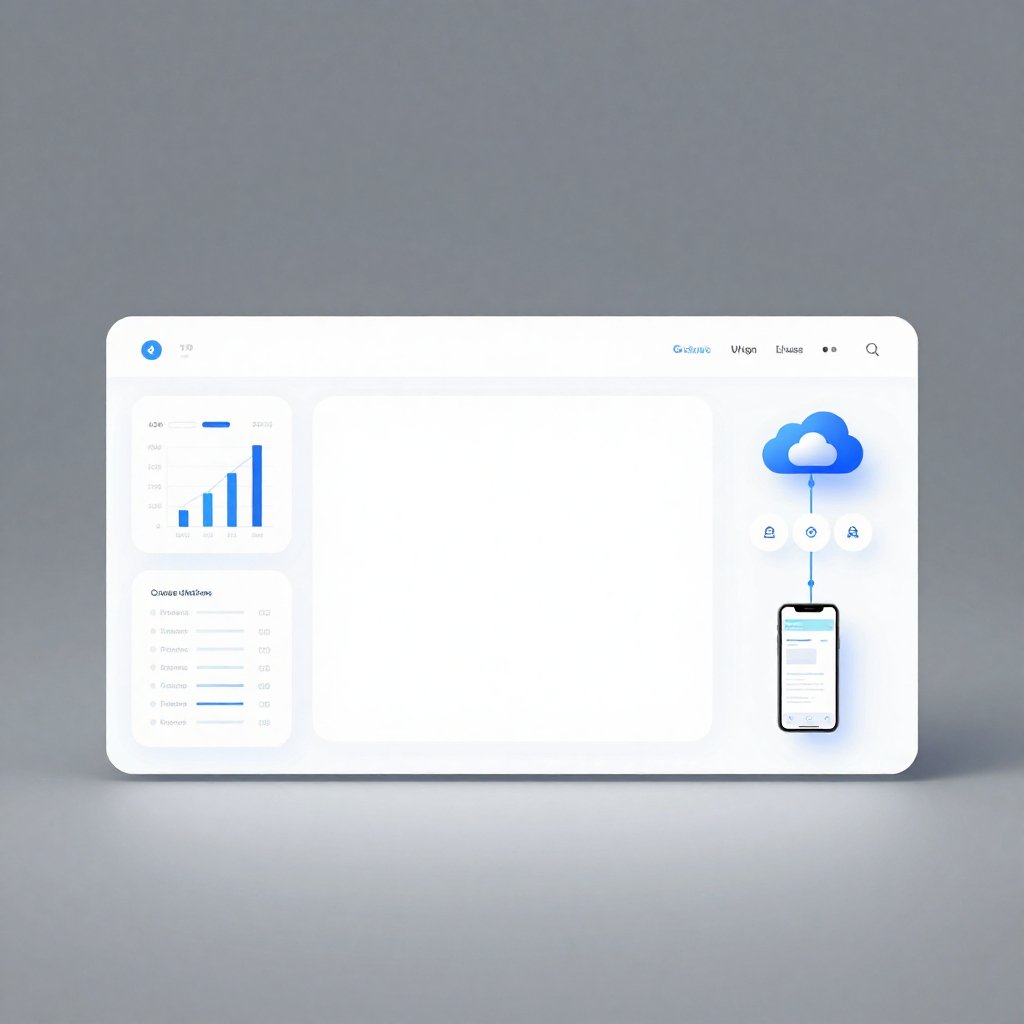
Customer expectations continue to grow, and companies must deliver experiences that feel consistent across every touchpoint. Journey mapping has become essential for understanding these interactions and shaping meaningful experiences. Yet many businesses still rely on disconnected systems that obscure the full customer picture. These gaps limit visibility and create friction across marketing, sales, and service functions. As customer journeys become more complex, integrated platforms offer a solution that unifies data, automates processes, and enhances insight-driven decision-making.
Modern customer behavior spans email, websites, apps, social platforms, and support portals. Companies cannot track these interactions accurately when information remains trapped inside isolated tools. This challenge increases as teams expand their digital ecosystems and require faster alignment. As a result, more organizations strengthen collaboration and centralize content by Integrating Salesforce with SharePoint, which supports accessible data and improves consistency throughout the customer journey. This example illustrates how integrated platforms enhance journey mapping and empower teams to create seamless experiences.
Integrated ecosystems help businesses shift from reactive responses to proactive strategies. When platforms communicate, each interaction becomes a source of insight. Teams can identify customer needs, spot pain points, and improve engagement with minimal manual effort. Journey mapping becomes more dynamic and accurate, because unified systems reveal patterns that traditional tools fail to highlight. Companies that embrace integrated platforms position themselves for long-term success in an increasingly competitive environment.
Why Journey Mapping Matters in Modern Business
Journey mapping helps organizations visualize the full customer lifecycle. The process highlights every interaction and emotional response customers experience. With this clarity, companies can identify friction, uncover opportunities, and design paths that support customer goals. Businesses rely on journey maps to improve engagement, guide product decisions, and refine communication strategies.
Accurate journey mapping strengthens internal collaboration. Marketing teams understand which messages resonate, sales teams learn what influences buyer decisions, and support teams identify recurring issues. These insights allow companies to reduce churn, increase satisfaction, and improve lifetime value. In a world where customer loyalty is hard to secure, journey mapping provides a competitive advantage.
The Role of Integrated Platforms in Customer Experience
Eliminating Data Silos
Integrated platforms eliminate data silos that hinder visibility. When systems operate separately, teams rely on outdated information and disconnected insights. Integration ensures real-time synchronization across CRM, marketing tools, service platforms, and analytics systems.
Improving Team Collaboration
Connected systems provide shared access to customer information. Teams can review full histories, track engagement patterns, and align decisions based on unified data. This collaboration speeds service delivery and improves experience quality.
Boosting Real-Time Decision Making
Integrated platforms provide instant access to customer insights. These insights help businesses respond quickly, optimize workflows, and update journey maps as behavior evolves. Real-time visibility allows teams to address issues before they escalate.
How Integrated Platforms Enhance Journey Mapping
Unified Customer Data
Integration centralizes customer information, creating a 360-degree view of behavior. Unified data supports accurate mapping and reveals patterns that improve personalization and targeting.
Cross-Channel Visibility
Customers interact across many channels. Integrated systems track these movements and highlight the paths customers prefer. This visibility helps teams design journeys that match natural behaviors.
Predictive Insights and Analytics
AI-powered tools identify emerging trends and signal potential drop-off points. Predictive insights help companies adjust strategies and prevent friction before it occurs.
Automation and Personalization
Automated workflows guide users through key moments in their journey. With integrated data, companies personalize messages and recommendations based on user context. This enhances relevance and increases conversions.
Better Customer Lifecycle Management
Integration enables consistent engagement across all stages. From onboarding to retention, connected systems help businesses deliver experiences that support customer goals.
A Framework for Building a Journey Map Using Integrated Platforms
Step 1: Define Personas and Entry Points
Teams begin by identifying customer segments and understanding motivations. Personas include goals, challenges, and behavior patterns. Entry points highlight how customers first interact with the business.
Step 2: Map Each Stage of the Journey
Stages typically include awareness, consideration, conversion, retention, and advocacy. Mapping these phases reveals emotional drivers and expectations.
Step 3: Gather Data from Connected Platforms
Integrated platforms collect data from CRM, marketing systems, websites, and support tools. This information shapes an accurate and up-to-date journey map.
Step 4: Identify Friction Points and Opportunities
Teams analyze data to pinpoint delays, repeated issues, or confusing interactions. These insights guide improvements and refine customer paths.
Step 5: Automate Key Touchpoints
Automation reduces manual work and ensures consistent engagement. Triggered workflows respond to customer actions and support smoother transitions.
Step 6: Continuously Measure and Optimize
Journey mapping is an ongoing process. Continuous measurement helps teams track performance changes, test new tactics, and evolve experiences.
Tools and Technologies That Support Integrated Journey Mapping
CRM Platforms
Tools like Salesforce, HubSpot, and Zoho manage customer profiles and track engagement histories. These platforms form the foundation of journey mapping.
Marketing Automation Systems
Marketo, Pardot, and Mailchimp support targeted campaigns and behavioral tracking. They reveal patterns that influence messaging and timing.
Support and Service Tools
Zendesk and Service Cloud provide insight into support requests and satisfaction levels. These insights highlight recurring service issues.
Analytics and CDPs
Tools like Segment, Snowflake, and GA4 centralize behavioral data and enable deep analysis. CDPs support unified data governance.
Integration and Automation Platforms
Platforms such as MuleSoft, Zapier, and Make connect systems with minimal friction. They allow organizations to automate processes and improve data flow.
Real-World Use Cases of Integration in Journey Mapping
Retail Personalization
Retailers use unified data to personalize recommendations and trigger targeted promotions. Integration boosts engagement and increases repeat purchases.
SaaS User Onboarding
SaaS companies track onboarding journeys to identify user challenges. Automated support flows reduce drop-offs and increase product adoption.
Service-Based Business Optimization
Service organizations improve response times by analyzing support interactions. Integrated platforms help teams resolve issues faster and improve satisfaction.
Key Benefits for Organizations
Integrated journey mapping enhances experience quality and increases operational efficiency. Companies gain faster insights, reduce manual work, and strengthen alignment. Personalization improves conversion rates, and targeted communication drives customer loyalty. When businesses rely on data-driven strategies, they achieve stronger ROI and consistent growth.
Challenges and Solutions in Implementing Integration
Data Silos
Organizations struggle when systems lack compatibility. API-led integration helps connect platforms and unify data.
Legacy System Constraints
Outdated tools may limit integration. Modernization or middleware solutions improve compatibility.
Integration Complexity
Large ecosystems require structured planning. Clear governance ensures stable and secure integrations.
Governance and Change Management
Employee adoption is essential. Training and communication improve engagement and reduce resistance.
Conclusion
Journey mapping through integrated platforms provides businesses with essential visibility into customer behavior. Integrated systems unify data, automate workflows, and support real-time decision-making. These advantages help teams deliver personalized, efficient, and meaningful experiences. As organizations adopt integrated ecosystems, they position themselves to meet evolving customer expectations and achieve sustainable growth. Integration is now the foundation of effective journey mapping and a critical strategy for modern customer experience management.

























Leave a Reply