Stop False Alerts from an Overly Sensitive Fire Alarm
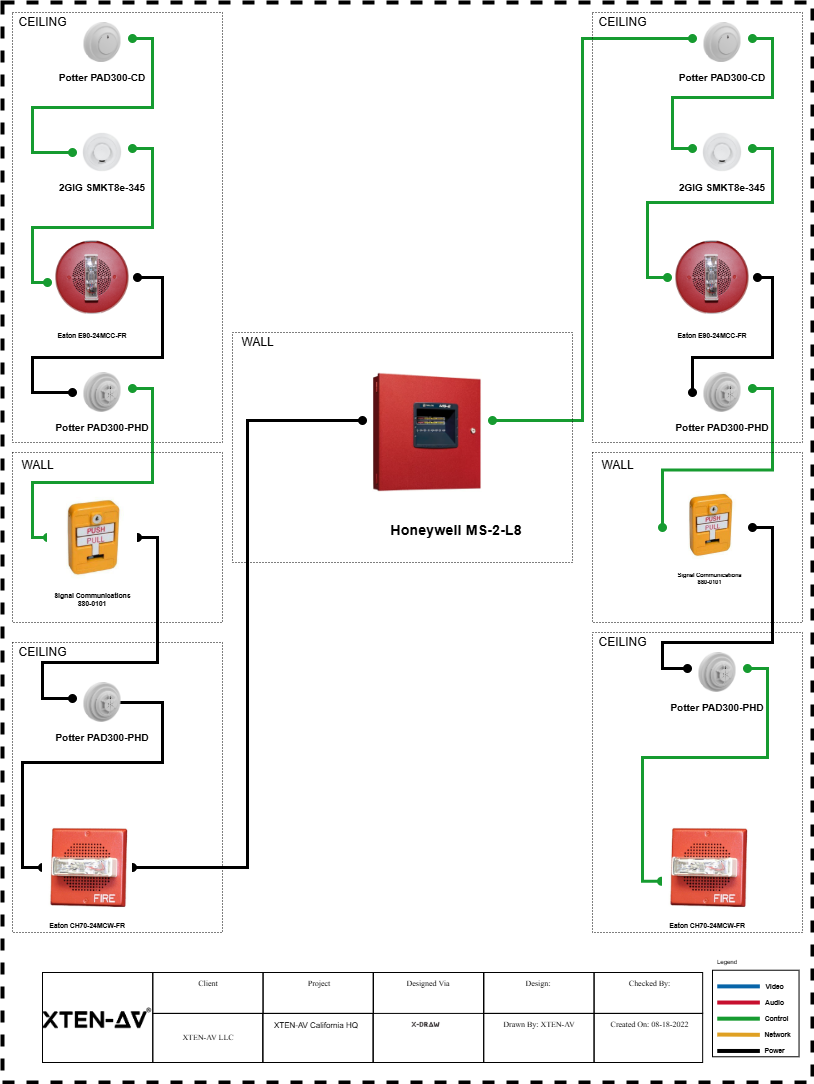
Living in an apartment comes with its perks and challenges. One of the most stressful experiences is dealing with a fire alarm that seems to go off for no reason. If your landlord has installed a super sensitive fire alarm, you may find yourself waking up to unnecessary alerts in the middle of the night or being interrupted during daily activities. While safety is important, constant false alarms can be frustrating and even lead to complacency over time. The good news is that there are practical steps you can take to reduce false triggers without compromising safety.
Understanding Why Fire Alarms Go Off
Fire alarms are designed to detect smoke, heat, or a combination of both. Modern alarms are highly sensitive to ensure early detection of fires. However, this sensitivity can sometimes cause the alarm to trigger from everyday activities like cooking, steam from a shower, or even dust accumulation. The first step in addressing the issue is understanding why your alarm is going off. Smoke alarms can generally be classified into two types: ionization and photoelectric. Ionization alarms are more sensitive to fast-burning fires but can be triggered by small smoke particles from cooking. Photoelectric alarms detect slower smoldering fires and are less likely to react to cooking smoke but may still trigger from steam or dust. Knowing which type your apartment uses can help determine the best way to prevent false alarms.
Check Placement of the Alarm
One of the most common reasons for false triggers is improper placement. Fire alarms installed too close to kitchens, bathrooms, or air vents are more likely to go off unnecessarily. If your alarm is positioned directly above a stove, the smoke from frying food can trigger it within seconds. Similarly, steam from showers or humidifiers can cause repeated alerts. While you may not be able to move the alarm yourself, discussing its placement with your landlord or property management may lead to a better solution. Moving the alarm a few feet away from the source of smoke or steam can significantly reduce false triggers.
Keep the Alarm Clean
Dust and cobwebs can interfere with the sensor and cause false alarms. Regularly cleaning your fire alarm with a vacuum or a soft brush can help maintain proper functioning. Make sure to follow the manufacturer guidelines when cleaning the device. Avoid spraying water or cleaners directly onto the alarm, as this can damage the sensor. Cleaning your alarm at least once every three months is a simple step that can prevent many false alarms and ensure the system works properly in a real emergency.
Use Cooking and Showering Precautions
Since sensitive alarms often respond to cooking smoke and steam, taking precautions during these activities can help. Use exhaust fans or open windows while cooking to reduce smoke accumulation. If possible, use a splatter guard while frying to minimize airborne particles. For showers, running an exhaust fan and keeping the bathroom door closed can prevent steam from reaching the alarm. These small changes can make a noticeable difference in reducing false triggers without altering the alarm itself.
Temporary Silence Features
Many modern fire alarms come with a temporary silence or hush feature. This allows you to quiet the alarm for a short period without disabling it completely. If your alarm triggers while cooking or showering, using the hush button can stop the noise while still maintaining safety. Be careful not to disable the alarm entirely, as this puts you at risk in case of an actual fire. Familiarize yourself with the alarm’s manual and settings to use these features effectively.
Consider Smoke Alarm Alternatives
If false alarms are a recurring problem, you may discuss alternative devices with your landlord. Photoelectric alarms or alarms with dual sensors are generally less prone to false triggers. Some newer models also have smart features, allowing you to receive alerts on your phone and temporarily mute non-critical alarms. While replacing alarms is typically the responsibility of the landlord, expressing the inconvenience caused by frequent false triggers can motivate them to consider safer and more practical options. techners
Maintain Proper Ventilation and Humidity Levels
High humidity levels and poor ventilation can cause fire alarms to go off unnecessarily. Using a dehumidifier or air conditioning system can help maintain ideal indoor humidity levels. Make sure your apartment has adequate airflow and that vents are not blocked. Proper ventilation not only reduces false alarms but also improves overall indoor air quality, making your living space more comfortable.
Document and Communicate Issues
If you continue to experience frequent false alarms, it is important to document each occurrence. Keep a record of the date, time, and situation surrounding each false trigger. Sharing this information with your landlord can provide evidence that the sensitivity of the alarm is causing unnecessary disturbances. Clear communication often leads to solutions that benefit both you and the property management team.
Final Thoughts
Living with a super sensitive fire alarm can be frustrating, but it is important to remember that these devices are there for your safety. By understanding the causes of false alarms, keeping the device clean, using precautions during cooking and showering, and maintaining proper ventilation, you can significantly reduce unnecessary alerts. Communicating with your landlord and exploring alternative alarms can also provide a long-term solution. While false alarms are inconvenient, a proactive approach ensures you stay safe without constantly being disturbed.
About The Author