What Are the Most Common Tree Diseases in the UK?
Trees across the UK face more threats today than ever before. Changing weather patterns, new pests, imported plants and warmer seasons have all increased the spread of infections. Whether you live in Bournemouth, Poole, or anywhere along the South Coast, knowing the most common tree diseases helps protect your garden and avoid costly damage. Understanding early symptoms, when to call a professional and how to manage long-term health all play a key role in keeping trees safe. With support from a qualified tree surgeon Bournemouth homeowners can spot problems before they become serious.
Why UK Trees Are More Vulnerable to Disease Today
UK tree health has declined over the last decade because many diseases now survive the winter instead of dying off. Milder temperatures allow fungal spores and pests to remain active year-round. Increased rainfall leaves soil waterlogged, making root systems weaker and more prone to infection. Hot dry spells create drought stress, leaving trees unable to fight disease. In coastal towns like Bournemouth and Poole, salt winds and humidity add extra pressure. These combined stresses make trees far more vulnerable, even when they appear healthy on the surface.
How to Identify the Most Common Tree Diseases in the UK
Early identification is essential for preventing disease from spreading. Most tree diseases begin with subtle signs like leaf discolouration, small dead shoots or patches of wilting. Over time, symptoms become more visible, including bark cracks, fungus growth, thinning crowns and widespread dieback. Regular checks or a professional tree inspection Bournemouth can help catch these issues at an early stage. Each disease affects trees differently, so recognising these patterns helps protect both individual trees and the surrounding landscape.
Ash Dieback Symptoms and Early Warning Signs
Ash dieback remains one of the most damaging tree diseases across the UK. It begins with dark patches on leaves, wilting during warm weather and premature leaf fall. Over time, branches at the top of the tree die back, and the infection moves downward. Diamond-shaped lesions may form along stems, and the tree becomes brittle. Many infected ash trees require assessment from a trained tree surgeon Bournemouth or tree surgeon Poole, especially when the disease weakens structural stability.
Dutch Elm Disease and How It Spreads
Dutch elm disease has destroyed millions of elm trees in the UK. Spread by elm bark beetles, it blocks the tree’s water transport system. Common signs include yellowing leaves, curling foliage and branches dying from the tips downward. Pulling back the bark often reveals dark streaks inside the wood. Because it spreads quickly, early removal is often necessary. A local expert providing tree surgery Bournemouth can safely assess and control infected elm trees before they become hazardous.
Honey Fungus Signs and Root Infection Issues
Honey fungus spreads underground through black, bootlace-like strands that attack root systems. Trees infected with honey fungus show slow growth, yellow leaves and sudden wilting during warm months. You might find white fungus under the bark or clusters of honey-coloured mushrooms near the base. Honey fungus can easily spread between trees, making it one of the most destructive diseases to manage. Professional help from a tree surgeon Bournemouth or tree surgeon Poole is often needed to assess how far the infection has travelled.
Detecting Powdery Mildew on Trees
Powdery mildew is easy to identify due to its white, powder-like coating on leaves and stems. It thrives in warm, humid conditions, making it common during mild UK summers. Leaves may become distorted, curl or dry out prematurely. While the disease isn’t usually fatal, repeated infections weaken the overall health of the tree. A proper check or tree inspection Bournemouth helps determine how severe the infection is and what maintenance steps may be needed.
Sooty Bark Disease in Maples
Sooty bark disease affects maples, especially during hot, dry seasons. Trees often wilt during warm weather, bark begins to shed and dark, soot-like patches appear beneath the peeling layers. This disease gradually weakens the trunk and reduces the tree’s ability to transport nutrients. Because it affects structural integrity, early assessment is essential. A qualified tree surgeon Bournemouth can determine whether pruning or removal is the safest option.
Bleeding Canker in Horse Chestnut Trees
Bleeding canker is a bacterial disease common in horse chestnut trees. It causes dark, sticky liquid to ooze from cracks in the bark. Over time, these patches harden into sunken, brittle areas. Affected trees often suffer crown thinning, leaf browning and dead branches. If left untreated, the trunk weakens and becomes unsafe. Regular monitoring and professional advice through tree surgery Bournemouth or tree surgeon Poole services help manage the disease before it worsens.
Understanding Phytophthora Root Rot
Phytophthora root rot affects trees growing in wet, poorly drained soil. This water-borne pathogen attacks the roots, causing yellowing leaves, stunted growth and soft, dark bark at the base. In advanced cases, the tree may begin to lean due to weakened roots. Because the infection lives in the soil, it can spread easily. Repair often involves improving drainage and removing severely affected trees. A tree surgeon Bournemouth can carry out a full assessment and recommend the safest approach.
Oak Processionary Moth and Pest Damage
Oak Processionary Moth (OPM) is an invasive pest creating major issues for oak trees across the UK. Its caterpillars eat leaves aggressively, leaving branches bare and reducing the tree’s strength. OPM nests appear as silky white clusters on branches and trunks. These caterpillars also carry irritant hairs that are harmful to people and pets. If you suspect OPM, it’s essential to contact a professional tree surgeon Poole or tree surgeon Bournemouth for safe removal.
Why Tree Fungal Infections Are Increasing Across the UK
Fungal infections are rising in the UK due to warmer temperatures and higher humidity. Many fungi once suppressed by cold winters now survive all year. Rain-heavy seasons create the perfect environment for fungal spores to move between trees. Urban soil compaction and poor drainage also contribute to fungal spread. Coastal areas like Bournemouth and Poole face additional risks from moist sea air and fluctuating temperatures. Because fungal diseases spread quickly, regular care and early detection through tree inspection Bournemouth is crucial.
How Climate and Weather Conditions Affect Tree Health
Climate change has led to unpredictable weather patterns, directly affecting tree health. Heavy rainfall saturates soil, weakening roots and encouraging infections like Phytophthora. Long heatwaves cause drought stress, making trees more vulnerable to pests and fungal attacks. Coastal winds can snap branches or strip bark, creating openings for disease. Sudden temperature swings cause cracks that allow pathogens to enter. These combined stresses mean trees in Bournemouth and Poole require more frequent checks and maintenance than ever before.
When Tree Diseases Require Professional Attention
Some tree diseases can be managed with early pruning, but many require professional treatment. If a tree shows widespread dieback, fungal growth, deep bark cracks or visible root damage, contacting a trained tree surgeon is essential. Severe infections affect structural stability, increasing the risk of falling branches or complete failure. A qualified expert can identify the disease, recommend the correct treatment or advise whether removal is necessary. Early professional action prevents hazards and protects neighbouring trees.
Signs You Should Call a Tree Surgeon
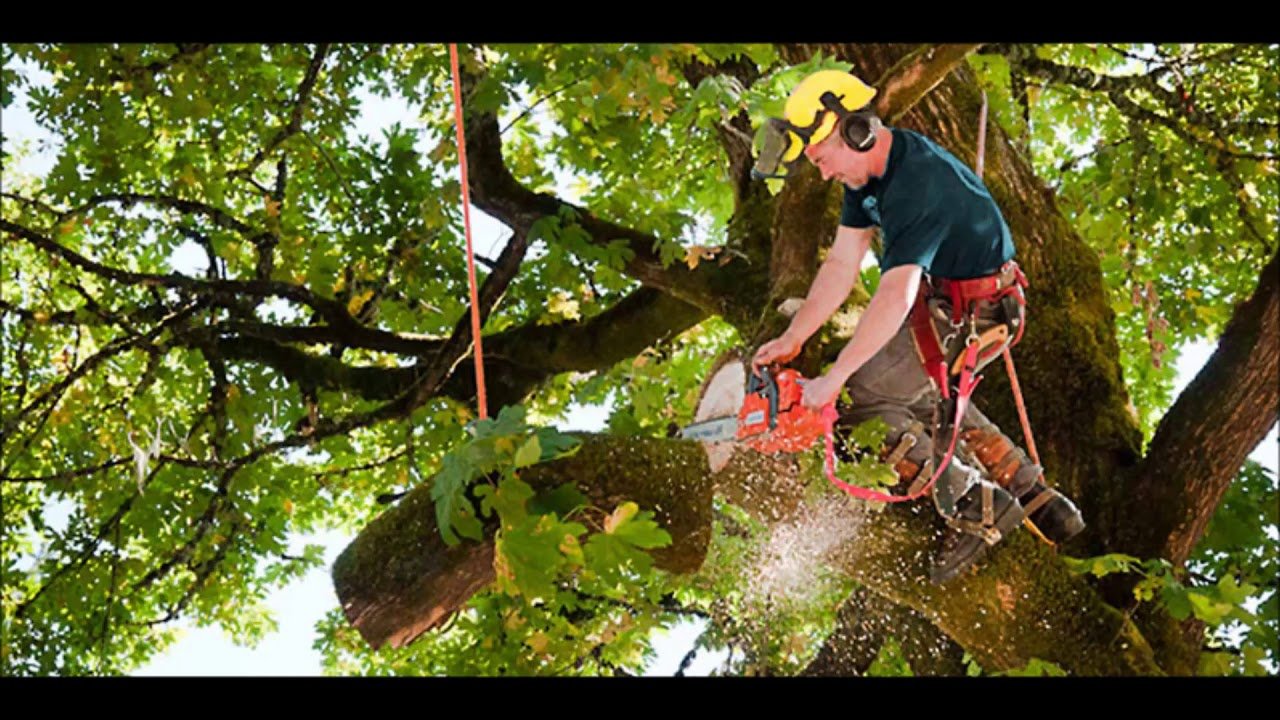
Contact a tree surgeon Bournemouth or tree surgeon Poole if you notice sudden leaf loss, large dead branches, fungal growth near the base, visible rot or a tree leaning unexpectedly. These symptoms often indicate advanced disease or structural weakness. Professional tree surgeons use specialist tools to assess risk and provide safe solutions. Whether you need pruning, disease management or a full removal, a trained expert ensures the work is completed safely and correctly.
Why Professional Tree Inspections Matter
A professional tree inspection Bournemouth helps identify problems that are not visible from ground level. Surgeons check the canopy, trunk, roots and internal structure to detect hidden decay or early-stage disease. These inspections are especially important in coastal regions, where wind damage and moisture stress accelerate tree decline. Regular inspections help prevent unexpected failure and keep your property safe, especially if you have large or mature trees.
How TreeRebral Ltd Helps Manage Tree Diseases in Bournemouth and Poole
TreeRebral Ltd provides expert care for homeowners across Bournemouth, Poole and Christchurch. Their services include disease diagnosis, pruning, treatment, safe removal and routine health checks. Their team carries out tree surgery Bournemouth with modern equipment, strict safety standards and deep knowledge of local species. Whether you need a tree surgeon Bournemouth for emergency work or a tree surgeon Poole for regular maintenance, TreeRebral Ltd offers reliable and professional support tailored to your property.
Final Advice for Protecting Trees From Disease in the UK
Regular monitoring, early identification and timely professional help are key to keeping trees healthy. Improve drainage, avoid overwatering and prune regularly to reduce disease risk. If you live in Bournemouth or Poole, pay extra attention to storm damage and coastal stress that make trees more vulnerable. At the first sign of unusual symptoms, book a professional check. With consistent care and a trusted local expert, your trees can remain strong, safe and healthy for many years.
About The Author