

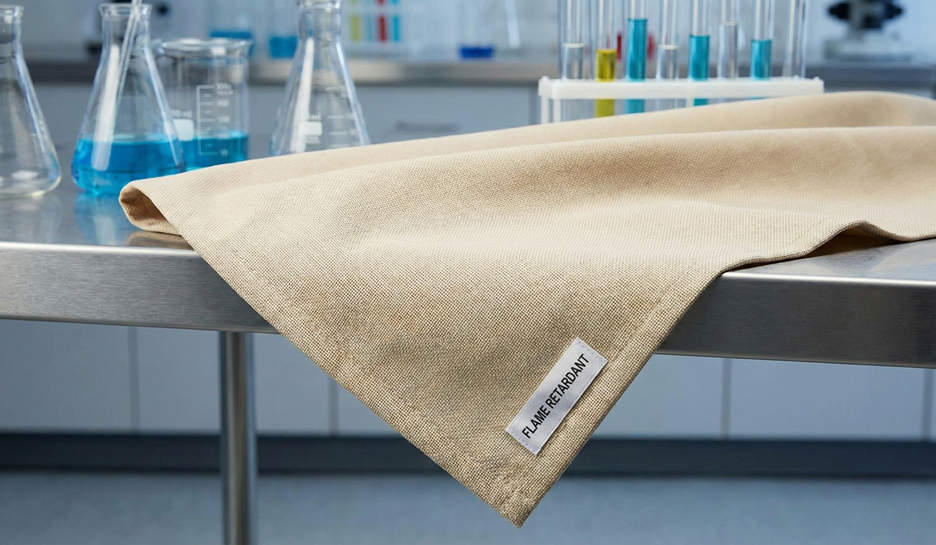
Have you ever wondered what protects everyday products from potential fire hazards? Some materials resist flames, while others ignite quickly—but the difference often comes down to the flame retardant used. Manufacturers rely on these chemicals to balance safety, performance, and compliance across industries ranging from electronics to textiles.
Selecting the right flame retardant is about more than meeting regulations. It’s about ensuring your product performs reliably in real-world conditions. This guide breaks down how flame retardants work, the key types available, and practical steps for choosing the right one for your application—especially within the Australian regulatory landscape.
What Is a Flame Retardant?
A flame retardant is a substance that slows or stops the spread of fire. These additives act as an invisible shield, activating when exposed to heat.
How Flame Retardants Work?
Different flame-retardant materials work through different mechanisms.
Some release water vapour to cool surfaces. Others form a protective char layer. Chemical-based retardants interrupt combustion by reducing flammable gases or blocking oxygen access. Each method delays ignition, reduces flame spread, and gives people valuable time to respond during a fire.
Common Misconceptions:
Many assume flame retardants make materials completely fireproof, but their purpose is to slow fire, not eliminate it. Another misconception is that all retardants are toxic. While older formulations raised concerns, modern options include safer, non-halogenated and natural alternatives that meet strict environmental standards.
Types of Flame Retardants:
Choosing the correct flame retardant depends on the material, fire performance required, and environmental considerations.
Halogenated vs Non-Halogenated Flame Retardants:
- Halogenated Flame Retardants: Halogenated flame retardants use chlorine or bromine to inhibit combustion. They offer strong protection but have become increasingly restricted due to environmental persistence and potential health risks.
- Non-Halogenated Flame Retardants: Non-halogenated flame retardants, including phosphorus-, nitrogen-, and mineral-based compounds, have become the preferred choice. They typically release fewer toxic gases during burning and are better aligned with modern environmental regulations. These options often require higher loading levels but offer safer long-term performance across many industries.

Natural Flame Retardants:
Natural flame retardants are growing in popularity for brands seeking sustainable solutions. Mineral-based options like clay and expandable graphite form protective layers when heated. Plant- or protein-based treatments offer biodegradable alternatives for certain textiles and composites.
While eco-friendly, natural retardants often work best when combined with other treatments, depending on the material and fire-rating required.
Flame Retardant Polymers and Thermoplastics:
Flame retardant polymers integrate fire-resistant properties directly into their structure. These materials are widely used in automotive components, power housings, and electronics. Because they don’t rely solely on surface coatings, their protection remains consistent even after machining or abrasion.
Selecting the right flame-retardant thermoplastic requires considering temperature exposure, strength, and processing requirements. Not all polymers suit every application, so aligning performance with real-world conditions is key.
Industry-Specific Applications:
Flame Retardants in Textiles and Clothing:
Different textile applications require different levels of flame resistance. Workplace uniforms, children’s sleepwear, and emergency-response gear each follow strict Australian standards. Modern treatments aim to balance protection, comfort, and breathability.
Inherent flame-resistant fibres, combined with lightweight chemical treatments, help improve comfort while still meeting safety requirements.
Flame Retardants in Construction:
Flame-retardant paint additives help transform standard coatings into protective barriers. These additives either form insulating char layers or release flame-suppressant compounds when heated. Spray-on flame retardant solutions provide flexible protection for retrofitting or heritage buildings where replacing materials isn’t an option.
Compliance with the Building Code of Australia is essential, as each building type requires different fire-safety ratings. Choosing certified solutions ensures you meet the required classifications.
Electronics and Consumer Goods:
Electronics require flame-retardant systems that do not interfere with electrical properties. Many housings and circuit components use flame retardant polymers designed to minimise smoke and toxic gas emissions. With devices becoming smaller, modern retardants are engineered for high performance in compact spaces, with some using nano-scale technology for efficiency.
DIY vs Professional Flame Retardant Solutions:
DIY Flame Retardant Sprays:
Small projects sometimes benefit from simple DIY flame retardant mixtures, such as borax-based formulations for wood or fabric. They offer basic protection and are suitable for non-critical applications.
However, DIY solutions cannot replace certified products where safety compliance is required. Commercial environments, children’s products, and structural materials must always use tested and approved flame retardant treatments.
Professional Application Methods:
Professional spray techniques ensure consistent coverage and penetration, especially on porous materials. Multiple thin coats generally provide better performance than a single heavy application. Environmental conditions like humidity and temperature affect drying times and results, so following product guidelines is essential.
Integrated manufacturing—adding flame retardant materials directly during production—offers stronger, more uniform protection. This method is common in plastic and polymer manufacturing, where proper mixing and temperature control ensure reliable fire performance.
Safety, Regulations, and Environmental Considerations:
Australian Standards:
Australia maintains strict testing requirements for flame retardant products. Standards such as the AS/NZS 1530 series measure flammability, smoke production, and heat release. Industry-specific regulations apply to textiles, construction, electrical components, and transport applications.
Understanding these standards helps ensure your products remain compliant and suitable for their intended use.
Environmental Impact:
Environmental impact varies among flame retardant types. Water-based retardants generally produce fewer emissions than solvent-based ones. Non-halogenated and natural options reduce concerns around persistent pollutants. Considering the full lifecycle—from manufacturing to disposal—helps minimise long-term environmental effects.
Safe Handling:
Proper handling and storage protect both workers and product effectiveness. Some retardants may irritate skin or release light vapours during application. Adequate PPE, ventilation, and adherence to safety data sheets are essential for maintaining workplace safety.

Cost-Benefit Analysis:
A high-quality flame retardant treatment may cost more upfront, but the long-term savings are significant. Proper protection reduces the risk of fire damage, business interruption, and product liability. Non-compliant or low-quality treatments often result in costly rework, insurance issues, or regulatory fines.
Calculating ROI involves assessing compliance requirements, expected durability, and potential risk reduction. In many industries, improved safety ratings can also increase marketability and consumer trust.
Common Mistakes to Avoid:
- Overspecification and Under specification: Choosing a flame retardant that is too weak compromises safety, while choosing one that is unnecessarily strong increases cost and may affect product performance. Balancing requirements with real-world use is essential.
- Material Incompatibility: Some flame retardants may weaken certain plastics or alter fabric appearance. Always test compatibility before full-scale production to prevent costly failures.
- Poor Storage and Handling: Incorrectly stored retardants can degrade or separate, reducing effectiveness. Following storage guidelines ensures consistent performance across batches.
Future Trends in Flame Retardant Technology:
Emerging technologies are shaping the next generation of fire protection. Nanotechnology is enabling thin, efficient layers that activate faster under heat. Bio-based flame retardants made from renewable resources are improving sustainability across industries.
As global regulations tighten, manufacturers must remain flexible with alternative formulations that meet evolving standards. Sustainable, low-toxicity flame retardant systems are expected to dominate future markets.
Conclusion:
Choosing a flame retardant doesn’t need to be overwhelming. By understanding how flame retardants work, the differences between halogenated, non-halogenated, and natural options, and the specific demands of your industry, you can make an informed decision that balances safety, performance, and environmental responsibility.
The shift toward safer, more sustainable flame retardant solutions is reshaping product design across textiles, construction, electronics, and consumer goods. As technology evolves, staying informed about trends and regulations ensures your products remain compliant and protected.
A well-chosen flame retardant isn’t just a requirement—it’s a crucial investment in safety, reliability, and long-term performance.















Leave a Reply