

Buying Land is an exciting venture, offering opportunities for recreation, investment, or building your future home. Nevada and Arkansas, in particular, attract buyers looking for affordable rural land. However, before making a decision, it’s essential to understand the unique characteristics and responsibilities that come with owning land in these states. Below are key factors every buyer should carefully consider.
Understand the Zoning Laws
Before purchasing any piece of land, it’s crucial to understand the local zoning laws that govern how the land can be used. Zoning regulations dictate whether a property is intended for residential, agricultural, recreational, or commercial purposes. These laws can limit or permit activities such as building a home, placing a mobile home, starting a farm, or operating a business. In Nevada, particularly in rural counties, much land is zoned for agricultural or open-space use, which can restrict residential construction or require additional permits for building. Arkansas also has zoning rules that vary by county, though rural areas tend to be more flexible. Verifying the zoning regulations with the local planning department ensures that your intended use for the land is legally permitted and avoids future complications.
Check Access to Utilities and Roads
One of the most overlooked aspects of rural land ownership is the availability of basic utilities and reliable access. Many properties in remote parts of Nevada and Arkansas do not have direct access to electricity, water, sewage systems, or even maintained roads. This can significantly affect your plans for development or everyday use. In Nevada, desert properties might be miles away from power lines or public water sources, making it necessary to rely on alternatives like solar panels, wells, or water delivery services. In Arkansas, while more properties may have nearby water sources or wooded surroundings, rural lots may still require private wells, septic systems, or alternative energy solutions. Additionally, some land parcels may not have legally established or maintained road access, meaning you’ll need to secure easements or build your own driveway. Checking for these essentials beforehand ensures the property can realistically support your intended activities.
Know the Property Boundaries
Accurate knowledge of property boundaries is essential when buying land, especially in areas where parcels may be irregularly shaped, sparsely marked, or poorly documented. Without clear boundary information, disputes with neighbors or encroachments on adjacent land can arise. While some properties will have fences, posts, or other physical markers, others may lack any visible indications. Reviewing a recent land survey, property deed, and official plat maps can provide an accurate picture of where your land begins and ends. If these documents are outdated or unavailable, hiring a professional surveyor is a wise step. This ensures you know the exact dimensions, boundaries, and legal description of the property you’re purchasing, protecting your investment and preventing future legal issues.
Research Property Taxes and Fees
Even though land ownership is often marketed as low-maintenance, there are ongoing responsibilities, including property taxes and, in some cases, additional fees. Both Nevada and Arkansas generally have lower property taxes compared to other states, especially in rural areas, but it’s still important to verify the current tax rates through the local county assessor’s office. Some properties may also be subject to road maintenance fees, improvement district charges, or homeowners’ association (HOA) dues, particularly if the land is part of a planned development or private community. Understanding these financial obligations ahead of time allows you to budget appropriately and ensures there are no unexpected costs after the purchase.
Evaluate Land Conditions and Climate
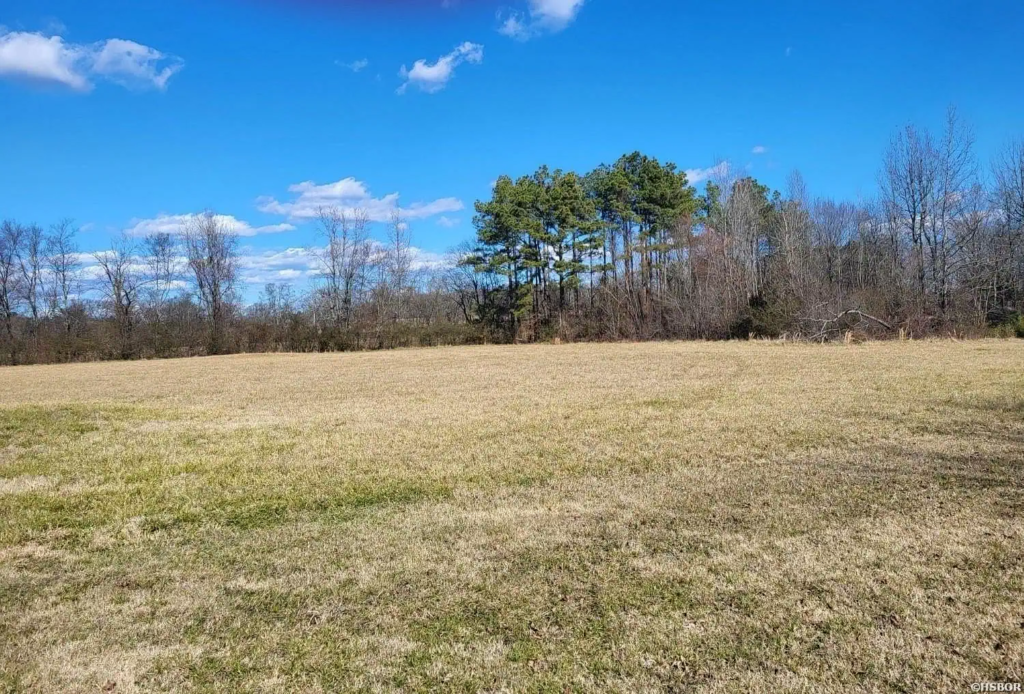
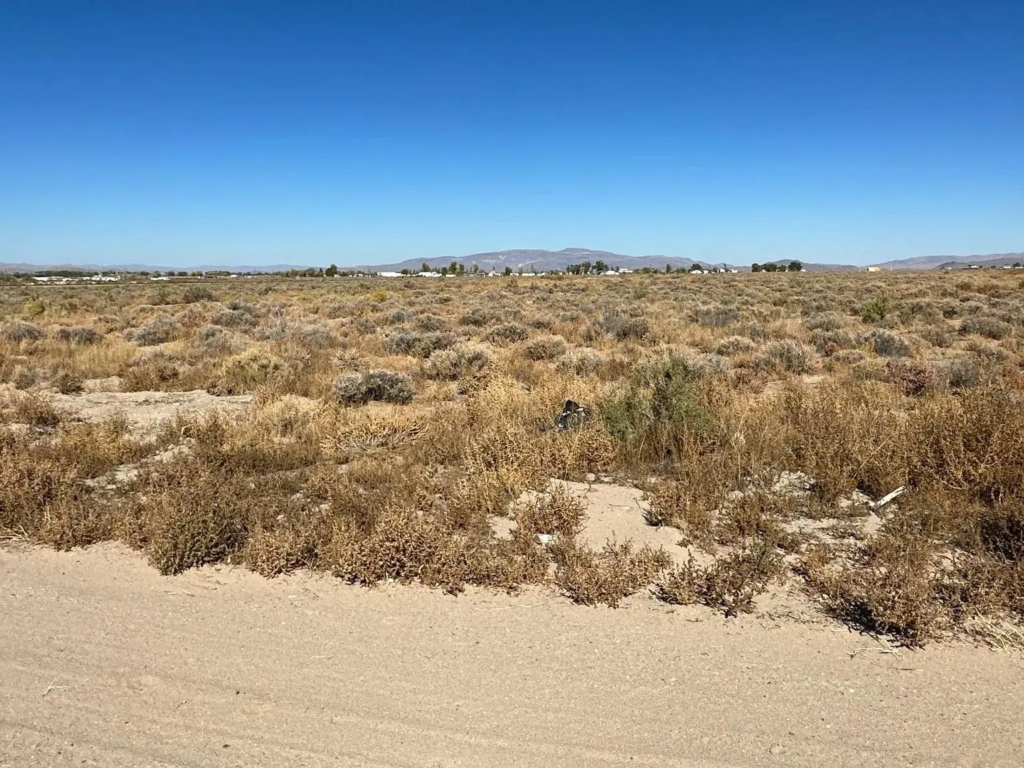
The physical characteristics of the land itself play a huge role in determining its suitability for your intended use. In Nevada, the climate is arid, with dry, hot summers and cold winters. Much of the land is flat or desert-like with sandy, rocky soil, which may present challenges for gardening, farming, or building without significant preparation. In contrast, Arkansas is known for its lush forests, rolling hills, and proximity to rivers and lakes, offering rich, fertile soil in many areas. However, buyers should be aware of potential risks such as flooding, erosion, or seasonal storms in low-lying or heavily wooded areas. Evaluating these natural conditions through site visits, soil tests, and environmental reports can help determine whether the property is suitable for your plans, whether that involves building, farming, or recreation
Confirm Legal Ownership and Title Before Buying Land
Before finalizing a land purchase, it’s vital to confirm that the seller has clear, undisputed legal ownership of the property. This involves checking the title for any liens, back taxes, easements, or legal disputes attached to the land. Properties bought through auctions, tax sales, or private sellers, especially in rural areas, sometimes come with unresolved legal issues that can complicate or invalidate the transaction. Engaging a title company or a real estate attorney is highly recommended, as they can conduct a thorough title search, verify ownership, and handle the closing process legally and securely. This protects you from unexpected liabilities and ensures that you’re acquiring full, marketable ownership of the property.
Plan for Future Use and Market Trends
Lastly, it’s important to consider your long-term plans and the market potential of the land you intend to purchase. Are you buying the land for personal recreation, off-grid living, future development, or as an investment to hold and resell later? Each purpose may require different property features and considerations. Additionally, staying informed about regional growth trends, infrastructure improvements, or planned developments in nearby towns can help assess the property’s future value. Nevada, for example, has growing urban centers like Las Vegas and Reno that can impact surrounding rural areas over time. In Arkansas, proximity to recreational attractions like lakes, rivers, and national parks can enhance a property’s desirability. Aligning your property choice with realistic expectations and a clear future use strategy will increase the chances of a rewarding and successful investment.
Conclusion
Buying land in Nevada or Arkansas offers exciting possibilities, whether for recreation, investment, or self-sufficient living. However, it’s essential to approach the purchase with thorough research and a clear understanding of local conditions, regulations, and responsibilities. By carefully examining zoning laws, utilities, access, legal ownership, and long-term plans, buyers can confidently select a property that aligns with their needs and future goals, turning a simple land purchase into a valuable, lasting asset.
FAQs
What should I check first before buying land in Nevada or Arkansas?
The very first thing you should check is the zoning regulations for the property. This tells you how the land can legally be used — whether you’re allowed to build a home, place a mobile structure, farm, hunt, or use it for recreational purposes. Local zoning laws vary by county, so it’s important to verify them with the county planning office before making any commitments.
How do I know if the land has access to utilities like water and electricity?
To determine if a property has access to utilities, you should contact the local utility providers or county office. Many rural areas in Nevada and Arkansas don’t have nearby power lines, public water, or sewer systems. If these services aren’t available, you’ll need to consider alternatives like solar energy, private wells, septic systems, or off-grid living solutions. Always confirm utility access or feasibility before purchasing.
Is it important to visit the land in person before buying?
Yes — if possible, visiting the land in person is highly recommended. It allows you to assess physical characteristics such as road access, terrain, soil condition, surrounding environment, and proximity to nearby towns or services. While buying land sight unseen is possible, it carries risks, especially when boundary lines and property conditions haven’t been properly verified.
What documents should I review when buying land?
Key documents include the property deed, recent land survey, plat maps, zoning information, and a title report. These documents confirm the property’s exact boundaries, legal ownership, permitted uses, and any restrictions or issues attached to the land, such as easements or unpaid taxes. Reviewing these documents protects you from hidden legal problems and ensures you know exactly what you’re buying.
Are property taxes high in rural areas of Nevada and Arkansas?
Both Nevada and Arkansas generally have low property taxes compared to many other states, particularly in rural areas. However, tax rates vary by county and property size. You’ll want to check with the local county assessor’s office to get the exact annual tax amount for the specific property you’re considering. Some properties may also include additional fees like road maintenance costs or community association dues.















Leave a Reply