

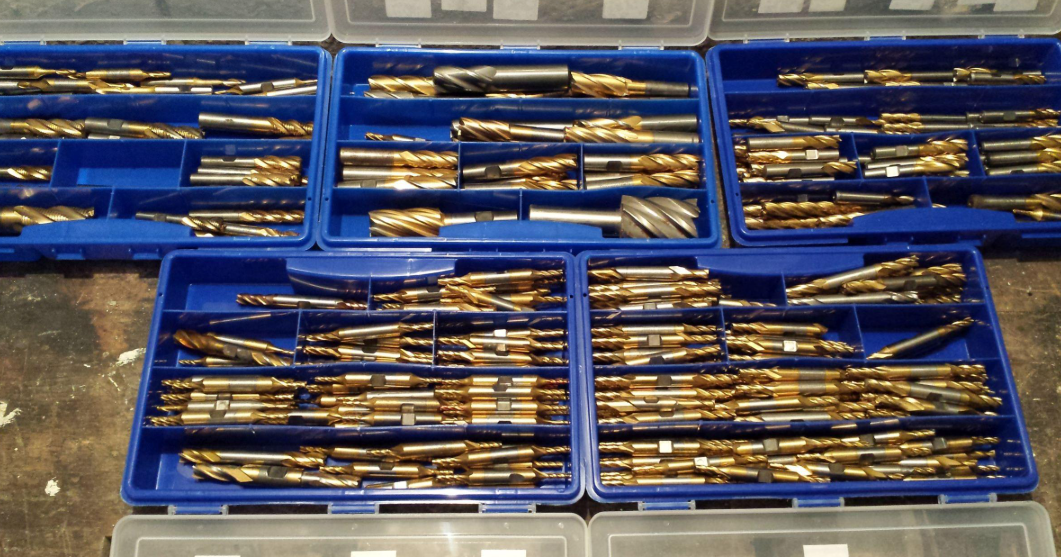
Proper storage is often overlooked in machine shops, yet it plays a critical role in extending tool life and maintaining machining accuracy. Whether you’re running a large production facility or a small CNC workshop, the way you store end milling cutters can directly affect their cutting performance, surface finish, and overall lifespan.
Many machinists invest in premium cutting tools but unknowingly reduce their value through poor storage practices. Even a high-quality carbide tool can suffer from chipped edges, corrosion, or accidental damage if it is not stored correctly. Based on common industry practices, implementing a structured storage system is one of the simplest ways to protect your tooling investment and reduce unnecessary replacement costs.
Why Proper Storage Matters
End mills are precision-engineered cutting tools with sharp edges and tight dimensional tolerances. Unlike general workshop tools, they require careful handling before and after use. When tools come into contact with one another, moisture, dirt, or excessive vibration, their cutting edges can become damaged long before they reach the machine.
Proper storage offers several benefits, including:
- Protecting cutting edges from accidental chipping
- Preventing rust and corrosion
- Extending tool life
- Maintaining machining accuracy
- Reducing tooling replacement costs
- Improving workshop organization
A well-organized tooling system also allows operators to quickly identify the correct tool, reducing setup time and improving overall productivity.
Clean Every Tool Before Storage
One of the most important habits is cleaning tools immediately after use. During machining, coolant residue, cutting oil, fine chips, and metal dust accumulate on the cutter surface. Leaving these contaminants on the tool for long periods may encourage corrosion or make future inspections more difficult.
Use a soft brush or lint-free cloth to remove chips. If necessary, apply an appropriate cleaning solution recommended for carbide or high-speed steel cutting tools. Ensure the tool is completely dry before placing it back into storage.
Avoid using excessive force or abrasive cleaning methods that could damage the cutting edges or protective coatings.
Store Each Tool Separately
One of the biggest causes of premature tool damage is allowing cutters to touch one another inside drawers or containers.
Each of your end milling cutters should have its own storage location, such as:
- Individual plastic tubes
- Protective sleeves
- Foam inserts
- Dedicated tool holders
- CNC tool cabinets with separate compartments
Keeping tools separated prevents accidental edge contact, which can create tiny chips that negatively affect machining quality.
Control Moisture and Temperature
Humidity is one of the primary enemies of cutting tools, particularly high-speed steel tools. Even carbide tools with steel shanks can experience corrosion under poor storage conditions.
Store tools in a clean, dry environment with stable temperatures. If your workshop experiences high humidity, consider using:
- Moisture-absorbing desiccant packs
- Climate-controlled tool cabinets
- Rust inhibitors for long-term storage
Avoid storing cutting tools near coolant tanks, wash stations, or areas exposed to condensation.
Organize by Size and Application
Efficient storage is not only about protection but also about organization.
Arrange tools according to:
- Diameter
- Number of flutes
- Material type
- Coating
- Cutting application
- Tool length
Label drawers or storage bins clearly so operators can quickly locate the required tool without unnecessary handling.
This simple practice reduces the chance of selecting the wrong cutter and minimizes handling-related damage.
Inspect Before Returning to Storage
Never place a used cutter back into storage without inspection.
Look for signs of:
- Chipped cutting edges
- Excessive wear
- Built-up edge
- Surface cracks
- Rust
- Damaged coatings
If a tool requires regrinding or replacement, separate it from production-ready tools. Mixing worn tools with usable inventory often creates confusion during future machining operations.
A quick visual inspection only takes a few seconds but can prevent expensive machining errors later.
Protect Precision Cutting Edges
Modern carbide end milling cutters feature extremely sharp cutting geometries designed for precision machining.
Never stack tools on top of one another or leave them loose on workbenches.
If tools are transported between departments or job sites, use protective carrying cases with individual compartments. Proper packaging prevents vibration and accidental impacts during movement.
Maintain an Inventory System
As tooling inventory grows, tracking becomes increasingly important.
A basic inventory system should include:
- Tool size
- Material
- Coating type
- Quantity
- Purchase date
- Usage history
- Regrinding records
Digital inventory software can simplify this process, especially in larger manufacturing facilities. Even a spreadsheet can help prevent duplicate purchases and ensure worn tools are replaced at the appropriate time.
Train Operators on Proper Tool Handling
The effectiveness of any storage system depends on consistent operator practices.
Employees should understand:
- How to safely handle precision cutting tools
- Why cleaning is necessary
- Where each tool belongs
- How to identify damaged cutters
- When to remove worn tools from service
Regular training helps establish standardized procedures across the workshop and reduces accidental tool damage.
Final Thoughts
Proper storage is a simple yet highly effective way to maximize the performance and lifespan of end milling cutters. Clean tools after every use, keep each cutter protected in its own compartment, control moisture, inspect tools regularly, and maintain an organized inventory. These small preventive measures help preserve cutting accuracy, reduce tooling costs, and improve machining efficiency over time.
In precision manufacturing, even the best cutting tool performs only as well as it is maintained. By treating storage as an essential part of your tooling strategy rather than an afterthought, you can protect your investment and ensure consistent machining results for every production run.
FAQs
End milling cutters should be stored individually in protective tubes, sleeves, or dedicated tool holders to prevent the cutting edges from contacting other tools. They should also be kept in a clean, dry environment to avoid corrosion and accidental damage.
Proper storage helps protect end milling cutters from chipping, rust, and contamination. It also extends tool life, maintains cutting accuracy, and reduces the need for frequent tool replacements.
Yes. Before storing end milling cutters, remove metal chips, coolant, and oil using a soft brush or lint-free cloth. Ensure the tool is completely dry before placing it in its storage container.
No. Worn or damaged end milling cutters should be separated from usable tools. Keeping them together can lead to confusion during machining and may result in poor-quality cuts or machine downtime.
The ideal storage environment for end milling cutters is cool, dry, and free from excessive humidity, dust, and vibration. Using enclosed tool cabinets with moisture protection helps preserve tool quality over the long term.







Leave a Reply