

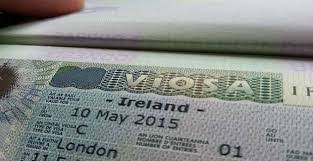
Ireland continues to attract Indian students seeking quality education and international career opportunities. Before beginning the application process, it is important to understand the Ireland study visa cost and the wider financial commitments associated with studying overseas successfully.
A well-planned budget helps students prepare for tuition fees, accommodation, insurance, and daily living expenses. Understanding expected costs in advance can reduce financial uncertainty and help students plan their finances more effectively before moving to Ireland.
Understanding the Ireland study visa cost
The visa application fee is one of the first expenses students need to include in their budget. Ireland currently charges €60 for a single-entry student visa and €100 for a multiple-entry student visa, although fees may change over time.
Students should also account for additional application-related expenses. Costs linked to document preparation, obtaining required certificates, and travelling for visa appointments can increase overall spending before departure and should be considered during financial planning.
Tuition Fees in Ireland
Tuition fees represent one of the largest expenses for international students. Costs vary depending on the university, programme, and level of study, with specialised courses often carrying higher fees than general academic programmes.
Most international students can expect tuition fees ranging from €9,000 to €30,000 per year. Reviewing university fee structures carefully helps students estimate education costs accurately and prepare a realistic financial plan before applying.
Living Expenses Students Should Budget For
Living costs vary according to location, accommodation type, and personal spending habits. Students should account for the following expenses when creating their annual budget:
- Accommodation: Rent is often the largest monthly expense for international students.
- Food and Groceries: Daily meals and household essentials form a regular part of monthly spending.
- Transport: Public transport costs depend on travel frequency and location.
- Utilities: Internet, electricity, and other services may increase living expenses.
- Personal Expenses: Clothing, entertainment, and miscellaneous purchases should also be considered.
Most students spend between €10,000 and €15,000 annually on living expenses. Preparing for these costs early can support better financial management and help students adjust more comfortably to life in Ireland.
Health Insurance and Other Essential Costs
In addition to tuition and living expenses, students should budget for several other important costs. These expenses contribute to both academic preparation and compliance with study-related requirements:
- Health Insurance: Typically costs between €100 and €150 per year.
- Books and Study Materials: Usually range from €500 to €1,000 annually.
- English Language Tests: Examination fees may apply to accepted language proficiency tests.
- Document Preparation: Obtaining and processing supporting documents can involve additional charges.
- Travel Arrangements: Flights and relocation expenses should be included in the overall budget.
Although these costs may appear smaller than tuition fees, they can collectively affect the total amount required. Including them in financial planning helps students build a more accurate estimate of first-year expenses.
Financial Evidence Required for a Student Visa
Meeting the financial aspects of Ireland student visa requirement is an important step in the application process. Students must demonstrate access to sufficient funds to cover their tuition fees and living expenses during their studies in Ireland.
This requirement makes early financial planning essential. By assessing available funds and preparing supporting financial documents in advance, students can build a realistic study budget while ensuring they meet visa-related financial expectations.
Sample First-Year Budget for Indian Students
The first-year budget should reflect all major expenses associated with studying in Ireland. The following estimates provide a useful starting point for financial planning:
| Expense Category | Estimated Cost |
| Single-entry Visa | €60 |
| Multi-entry Visa | €100 |
| Tuition Fees | €9,000–€30,000 |
| Living Expenses | €10,000–€15,000 |
| Health Insurance | €100–€150 |
| Books and Materials | €500–€1,000 |
Scholarship Opportunities for Indian Students
Scholarships can reduce the financial burden of studying abroad and help students manage education costs more effectively. Several funding opportunities are available for eligible international students:
- Trinity College Dublin: Global Excellence Scholarships for qualified international applicants.
- University College Dublin (UCD): International Scholarships and Taught Masters Scholarships.
- Government of Ireland: International Education Scholarships for eligible students.
- Other Universities: Institution-specific scholarships based on merit, subject area, or academic achievement.
Researching scholarship opportunities early can improve funding prospects and reduce overall study expenses. Students should review eligibility requirements carefully and submit applications within the specified deadlines.
Living Expenses Students Should Budget For
Living costs vary according to location, accommodation type, and personal spending habits. Students should account for the following expenses when creating their annual budget:
- Accommodation: Rent is often the largest monthly expense for international students.
- Food and Groceries: Daily meals and household essentials form a regular part of monthly spending.
- Transport: Public transport costs depend on travel frequency and location.
- Utilities: Internet, electricity, and other services may increase living expenses.
- Personal Expenses: Clothing, entertainment, and miscellaneous purchases should also be considered.
Conclusion
Budget planning is an essential part of preparing to study in Ireland. Students should consider visa fees, tuition costs, accommodation expenses, insurance, study materials, and other necessary spending before finalising their plans.
By understanding expected costs and meeting relevant Ireland student visa requirements, Indian students can approach their studies with greater confidence. A realistic budget can help them manage their finances more effectively throughout their time in Ireland.



























Leave a Reply