

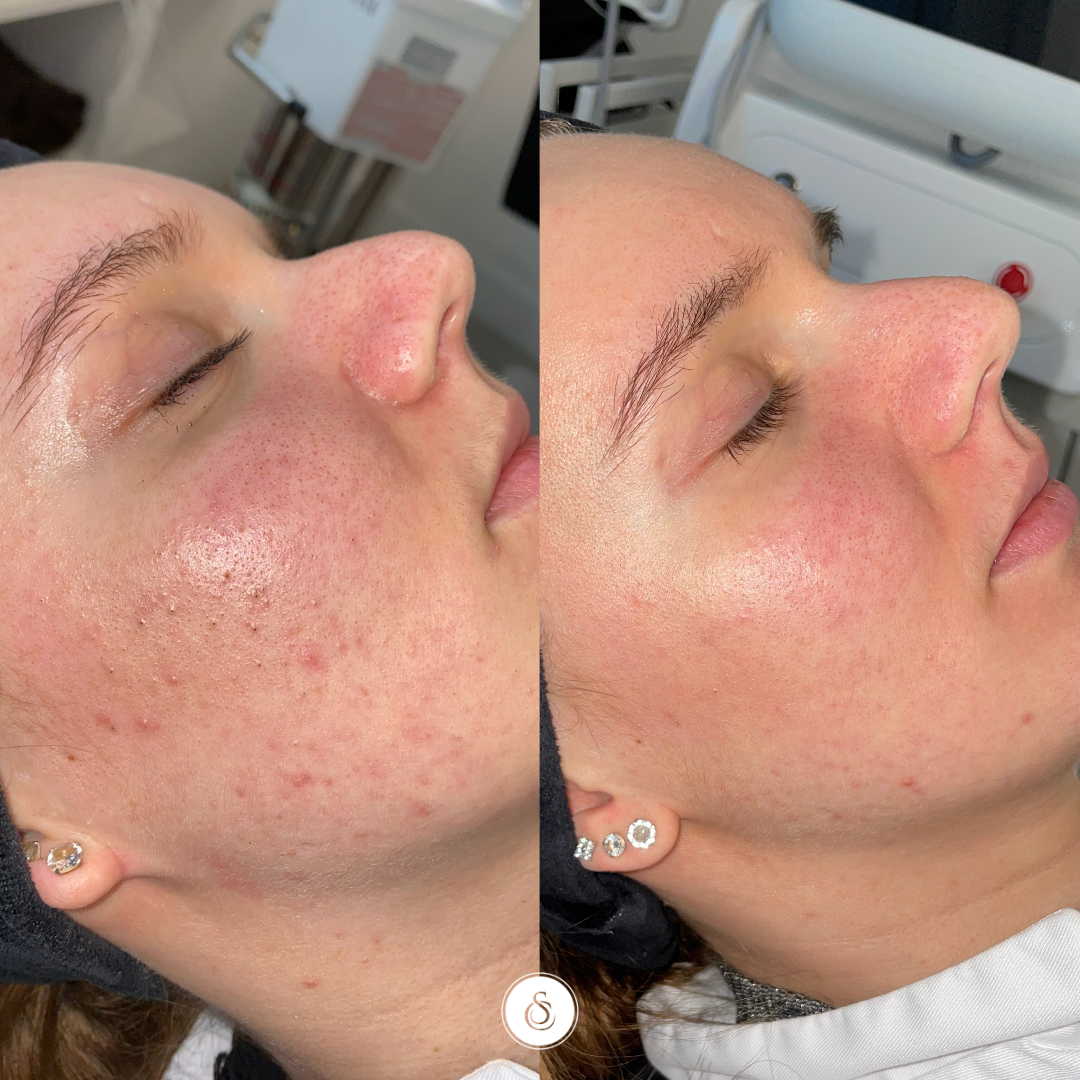
Menopause is a natural stage of life, but the hormonal changes that come with it often affect the skin in noticeable ways. Many women experience increased dryness, loss of elasticity, fine lines, and deeper wrinkles as estrogen levels decline. These changes can make the skin feel uncomfortable and leave it looking less vibrant than before.
A Menopause skin treatment clinic provides specialized care designed to address these concerns with targeted treatments and professional guidance. Instead of relying on general skincare products alone, these clinics create personalized plans that support healthier, more hydrated, and youthful-looking skin.
This article explores how menopause affects the skin and how expert treatment can help reduce dryness and wrinkles effectively.
Why Does Menopause Affect the Skin?
Estrogen plays a vital role in maintaining healthy skin. It helps the body produce collagen, retain moisture, and preserve skin elasticity. During menopause, estrogen production decreases significantly, leading to several visible changes.
Common skin concerns include:
- Persistent dryness
- Fine lines and wrinkles
- Thinner skin
- Reduced firmness
- Increased sensitivity
- Slower healing
- Uneven skin tone
These changes happen gradually, but many women notice them becoming more prominent within the first few years after menopause.
Understanding Menopause-Related Dryness
One of the earliest and most common symptoms is dry skin. Lower estrogen levels reduce the skin’s natural oil production, weakening its protective barrier. As a result, moisture escapes more easily, leaving the skin feeling tight, flaky, or rough.
Dry skin is not just a cosmetic issue. It can also lead to:
Irritation
Itching
Redness
- Increased sensitivity to skincare products
- Greater risk of inflammation
Professional treatments focus on restoring hydration while strengthening the skin’s natural barrier.
Why Wrinkles Become More Noticeable
Collagen is the structural protein responsible for keeping skin firm and smooth. Research suggests that women may lose a significant percentage of collagen during the early years of menopause.
As collagen production slows, the skin becomes thinner and less elastic. Facial expressions, sun exposure, and daily environmental stress gradually create deeper wrinkles.
The most common areas affected include:
- Forehead
- Around the eyes
- Cheeks
- Mouth
- Neck
- Jawline
Treating these changes early often produces better long-term results.
Personalized Care Makes the Difference
A Menopause skin treatment clinic begins by understanding each patient’s unique skin condition rather than offering a one-size-fits-all solution.
During the consultation, specialists typically assess:
- Skin hydration levels
- Elasticity
- Collagen loss
- Lifestyle habits
- Medical history
- Existing skincare routine
- Sun damage
This evaluation helps create a customized treatment plan tailored to individual concerns and skin goals.
Professional Hydration Treatments
Deep hydration treatments are among the most effective ways to combat menopausal dryness.
These treatments may include:
Hydrating Facials
Professional facials use medical-grade ingredients that penetrate deeper than many over-the-counter products. Ingredients such as hyaluronic acid help attract and retain moisture within the skin.
Skin Barrier Repair
Specialized products containing ceramides, peptides, and nourishing lipids strengthen the skin’s protective barrier, reducing moisture loss.
Moisture Infusion Therapies
Advanced hydration procedures deliver intensive moisture directly into the skin, leaving it softer, smoother, and more comfortable.
Regular hydration treatments can significantly improve skin texture and overall appearance.
Collagen-Stimulating Procedures
One of the primary goals of a Menopause skin treatment clinic is to encourage natural collagen production.
Several non-surgical procedures may help achieve this.
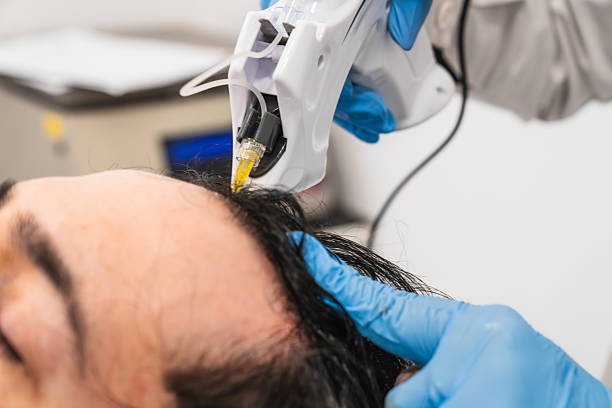
Microneedling
Microneedling creates tiny controlled micro-injuries that stimulate the body’s natural healing response. This process encourages collagen and elastin production, helping improve skin texture and reduce fine lines.
Radiofrequency Treatments
Radiofrequency energy gently heats deeper skin layers, stimulating collagen remodeling while tightening loose skin.
Laser Skin Rejuvenation
Laser treatments target signs of aging by promoting skin renewal and improving collagen production. They may also help reduce pigmentation and uneven skin tone.
The most suitable option depends on individual skin type and treatment goals.
Medical-Grade Skincare Products
Professional skincare products often contain higher concentrations of active ingredients than standard retail options.
These may include:
- Hyaluronic acid
- Peptides
- Vitamin C
- Niacinamide
- Retinoids (when appropriate)
- Ceramides
- Growth factors
Specialists recommend products based on skin sensitivity and menopausal changes, ensuring the routine supports both hydration and wrinkle reduction.
Lifestyle Advice That Supports Healthier Skin
Treatment results improve when combined with healthy daily habits.
Clinics often recommend:
Staying Hydrated
Drinking enough water supports overall skin function, although moisturizers remain essential for preventing surface dryness.
Eating Nutrient-Rich Foods
Foods rich in antioxidants, healthy fats, vitamins, and protein help support skin repair and collagen production.
Sun Protection
Daily sunscreen is one of the most effective ways to prevent premature aging. UV exposure accelerates collagen breakdown and increases wrinkle formation.
Gentle Skincare
Using fragrance-free cleansers and moisturizers helps protect sensitive menopausal skin from unnecessary irritation.
Managing Sensitive Skin During Menopause
Many women notice that products they previously tolerated suddenly cause redness or discomfort.
Professional skin specialists understand these hormonal changes and recommend treatments designed specifically for sensitive, aging skin.
Customized skincare plans minimize irritation while delivering effective anti-aging results.
The Emotional Benefits of Healthier Skin
Menopause affects more than physical appearance. Visible skin changes can influence self-confidence and emotional well-being.
Feeling comfortable with healthier, smoother skin often helps women feel more confident in both personal and professional settings.
Many patients appreciate that treatment focuses not on changing their appearance but on restoring skin health and improving comfort.
What to Expect During Treatment
Every patient responds differently, but most treatment plans involve gradual improvement rather than overnight changes.
A typical journey includes:
- Initial skin assessment
- Personalized treatment recommendations
- Regular hydration or collagen-stimulating sessions
- Home skincare guidance
- Follow-up appointments to monitor progress
Consistency is key, as collagen production and skin repair naturally take time.
Choosing the Right Clinic
When selecting a Menopause skin treatment clinic, experience and individualized care matter.
Look for professionals who:
- Understand hormonal skin changes
- Offer personalized consultations
- Use evidence-based treatments
- Provide medical-grade skincare recommendations
- Prioritize realistic expectations
- Develop long-term maintenance plans
A reputable clinic will explain treatment options clearly and recommend procedures based on your specific needs rather than promoting unnecessary services.
Long-Term Skin Maintenance
Menopause is an ongoing stage of life, making long-term skincare especially important.
Maintaining healthy skin often includes:
- Regular professional assessments
- Consistent moisturizing
- Daily sun protection
- Periodic collagen-stimulating treatments
- Balanced nutrition
- Healthy lifestyle habits
These strategies help preserve treatment results while supporting overall skin health for years to come.
Conclusion
Dryness and wrinkles are common effects of menopause, but they do not have to define how your skin looks or feels. With expert guidance, personalized treatments, and a consistent skincare routine, it is possible to restore hydration, improve elasticity, and reduce visible signs of aging.
A Menopause skin treatment clinic offers specialized solutions that address the unique challenges caused by hormonal changes. Through professional hydration therapies, collagen-boosting treatments, and customized skincare plans, women can achieve healthier, smoother, and more radiant skin. By combining expert care with healthy daily habits, you can protect your skin throughout menopause and enjoy long-lasting confidence in your natural appearance.

















Leave a Reply