Best Steel Suppliers in the Philippines: Quality Control
No project manager wants to deal with the fallout of metal elements failing an assessment right after they’ve already arrived on site. Defective rebar or brittle beams do more than just stall your timeline; they threaten the safety of the entire project and invite costly code violations from municipal inspectors. But through working with the best steel suppliers in the Philippines, contractors protect both the physical framework of their buildings and the financial health of their businesses.
What Steps Verify the Authenticity of Factory Mill Certificates?
An authentic factory mill test report serves as the official pedigree for a shipment of metal, proving its chemical composition and strength ratings. High-grade distribution centers do not simply accept these forms at face value; they cross-examine the paperwork directly against the heat numbers stamped into the steel itself. Matching these tracking codes ensures that unverified, low-grade stock never makes it past your jobsite gate.
How Do Chemical Analysis Tests Confirm Metal Yield Strength?
Because you cannot determine the load-bearing capacity of an alloy simply by looking at it, independent laboratory verification is standard practice for top suppliers. Testing teams pull random samples from incoming lots and use spectrographic machinery to measure the precise percentages of carbon, manganese, and silicon. Getting this chemical balance right guarantees that load-bearing columns can handle intense weight without buckling under pressure.
Why Do Top Warehouses Use Ultrasonic Inspection on Heavy Beams?
Internal air pockets and microscopic cracks can develop deep inside thick wide-flange beams during fabrication, remaining completely invisible to the naked eye. To counter this, technicians pass high-frequency sound waves through the metal to map out its internal density. Catching these hidden flaws before the steel leaves the warehouse prevents catastrophic failures once the heavy concrete floors are poured.
What Protocols Protect Reinforcement Rebars from Coastal Humidity Damage?
Leaving bundles of high-tensile rebar sitting out on open ground exposes the metal to intense tropical humidity, causing rapid surface rust that degrades the material. Top-tier suppliers invest in elevated, fully enclosed storage facilities to insulate their inventory from heavy rain. Keeping the steel dry preserves the clean, rough ridges needed to form a flawless mechanical bond with concrete.
How Do Automated Calibration Systems Maintain Accurate Bar Cutting Lengths?
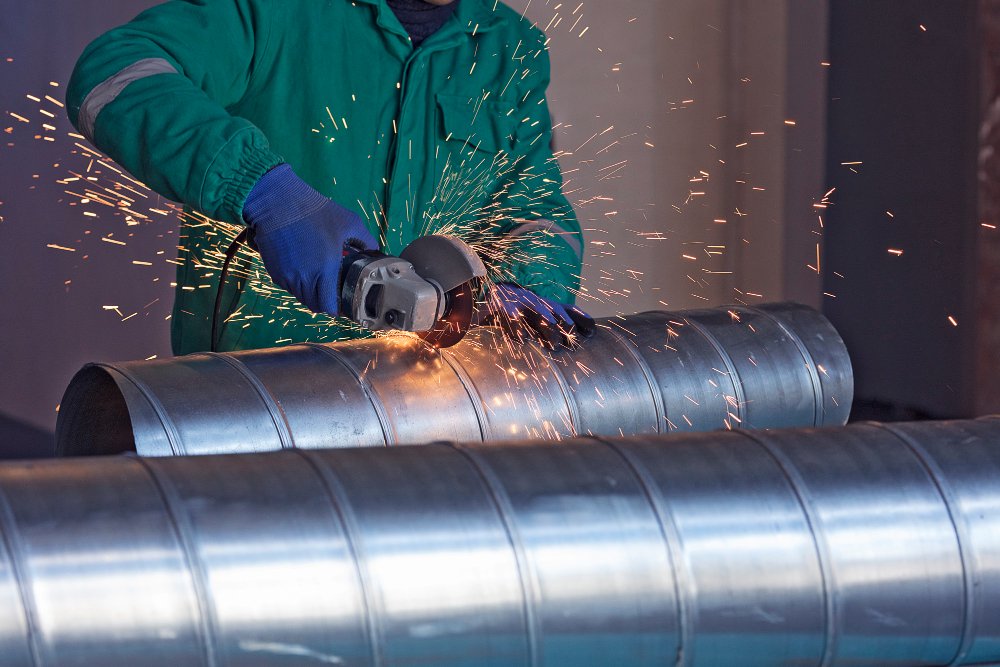
Relying on manual labor to measure and cut rebar on a busy jobsite introduces human error, leading to dimensional mistakes and piles of expensive waste. Premium supply partners solve this by using computerized cutting machinery to fabricate custom reinforcement orders straight from digital blueprints. This pre-fabrication streamlines on-site assembly and ensures every piece fits the layout grid perfectly.
Why Do Distribution Teams Implement Strict Color Coded Classification Systems?
Accidentally using low-yield steel in a zone that requires high-tensile strength is a major safety hazard. Warehouse logistics teams eliminate this risk by painting the tips of every metal bundle according to national strength standards. This straightforward visual tracking method allows site supervisors to verify that the correct grade of steel is being used with a quick glance.
What Checking Methods Guarantee the Uniform Thickness of Steel Plates?
Flawed manufacturing can leave steel plates with uneven dimensions, including dangerously thin sections right down the center of the sheet. Quality checkers prevent this by using digital micrometers to measure multiple points across the plate before approving it for delivery. Rejecting uneven stock ensures that heavy storage tanks and connection joints are free of hidden weak spots.
How Do Independent Laboratories Measure Metal Elongation and Flexibility?
To survive a major earthquake, a commercial frame needs the capacity to sway slightly rather than snapping like a dry twig. Testing laboratories place sample sections into hydraulic machines that pull the metal from opposite ends until it breaks. Documenting this exact breaking point proves the steel has the necessary elasticity to absorb and distribute seismic energy safely.
Why is Private Fleet Maintenance Mandatory for Heavy Logistics Deliveries?
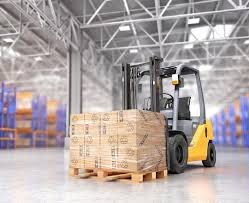
Moving tons of steel down busy public highways requires heavy-duty flatbed trailers and drivers who specialize in industrial cargo. Suppliers who rely on unverified third-party trucks often run into shipping delays due to mechanical breakdowns mid-transit. Maintaining a private delivery fleet gives elite suppliers full control over the schedule, getting materials to your gate exactly when your crew needs them.
How Do Traceable Batch Numbers Streamline Future Project Audits?
Securing final occupancy permits from municipal building offices requires engineers to document the exact origin of all load-bearing components. Premium distributors stamp permanent batch codes on every bundle to link the products back to their specific production dates and material lots. Clear tracking records simplify paperwork and protect your company if any questions arise years down the road.
Key Takeaway
A building remains safe and stable only when its steel skeleton delivers predictable engineering performance under pressure. Businesses that source from the best steel suppliers in the Philippines, acquire verified testing data directly from the factory furnace to the jobsite. Making sure your supplier enforces these quality checks protects your business capital from premature material damages and costly compliance disputes.
About The Author