

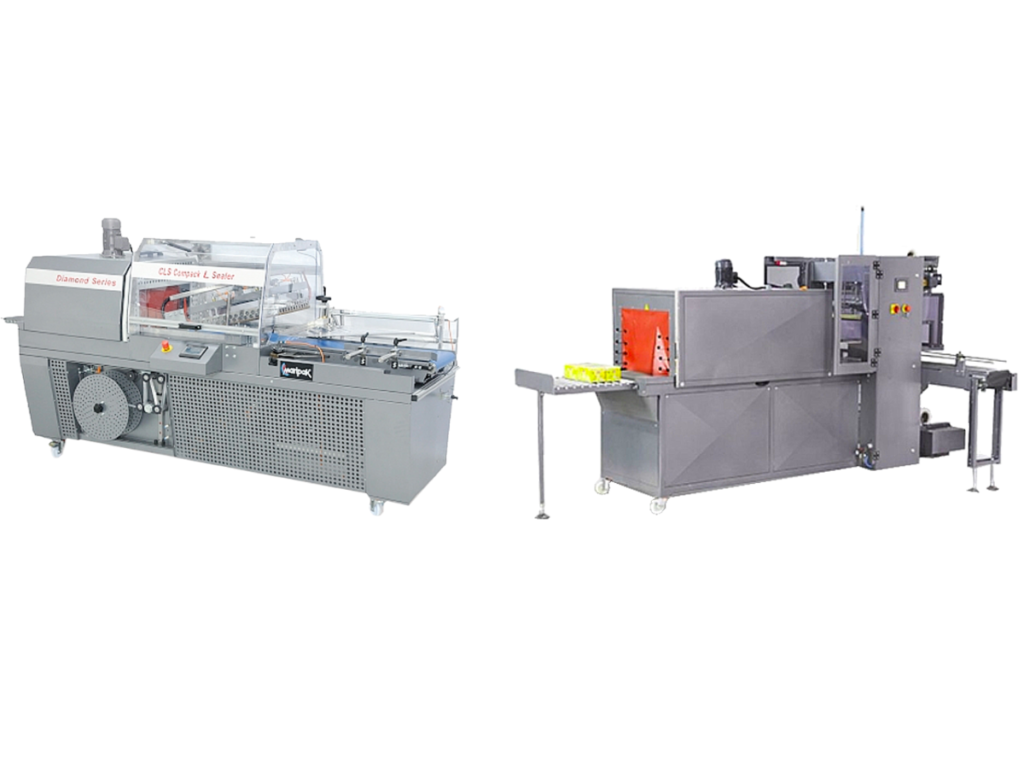
Packaging speed and presentation often decide whether a product feels premium or rushed on the shelf. For operations handling varied product sizes at volume, an automatic side sealing machine brings consistency that manual methods rarely match. It seals and trims film in one continuous motion, which keeps throughput steady while reducing waste. Yet not every model suits every line, and the wrong specification can stall a busy floor. Knowing which features genuinely affect output, film cost, and uptime helps buyers invest wisely. This guide explains the practical factors that matter most so you can match equipment to real production demands with confidence.
Why the Right Choice Matters
Sealing equipment sits at the heart of a packaging line, so a poor fit ripples through every shift. Frequent jams, uneven seals, and slow changeovers quietly erode margins. Choosing well protects both product quality and the schedule your customers depend on.
An automatic side sealing machine that matches your product mix lets operators run longer with fewer stops, which is where the real savings appear over a full year.
Downtime is the hidden tax on packaging operations. Every unplanned stop interrupts the schedule, raises labor cost per unit, and frustrates the team. Equipment chosen for genuine fit rather than the lowest bid tends to run longer between interventions, which is exactly where dependable throughput comes from over a full production year.
Operator confidence is another quiet benefit. When equipment behaves predictably, staff trust it, work faster, and worry less about jams or rework. That confidence compounds across a team and shows up as steadier daily output and a calmer floor.
Key Features and Factors to Compare
Specifications can look similar on paper, so focus on the details that influence daily performance rather than headline speed alone.
It also helps to think about how the equipment integrates with the rest of your line. A capable automatic side sealing machine should accept product smoothly from upstream stations and hand off cleanly to shrinking and packing, so the whole flow stays balanced rather than creating a new pinch point.
Quality and Performance Factor
Look at seal strength, film compatibility, and how cleanly the blade trims. A reliable automatic side sealing machine should handle polyolefin and polyethylene films without constant adjustment, producing tight, attractive seals at rated speed.
Fit and Use Case Factor
Consider your product range. Tall, irregular, or mixed items demand adjustable infeed and sealing height, while uniform products allow simpler setups. Matching the machine envelope to your largest item prevents costly limitations later.
Long Term Value Factor
Durable components, accessible wear parts, and clear maintenance routines lower the total cost of ownership. Equipment built for continuous duty tends to outlast cheaper alternatives that struggle under heavy use.
Questions to Ask Before Choosing
A few pointed questions reveal whether a model truly fits your floor.
- What is the realistic throughput with my product sizes, not just the maximum rating?
- Which films does it run, and how quickly can operators change settings?
- How available are spare parts and technical support?
- What footprint and utilities does installation require?
Finally, ask about training and commissioning. Equipment that arrives with clear setup guidance and operator training reaches full productivity faster, and that early support often separates a smooth rollout from a stressful one. A short list of references in your industry can confirm how a model performs under real conditions.
It is also wise to ask how the model handles your busiest scenarios. Peak season, not a quiet afternoon, is the true test of any line, so understanding behavior under load helps you choose equipment that holds up when it matters most.
Final Thoughts
The best equipment decision balances speed, flexibility, and dependable support over many years of service. Take time to test sample products and confirm that throughput claims hold up under your own conditions. Buyers who plan around real demand rather than headline numbers rarely regret the investment, and partnering with an experienced supplier such as Maripak USA helps ensure the line keeps running smoothly long after installation.











Leave a Reply