

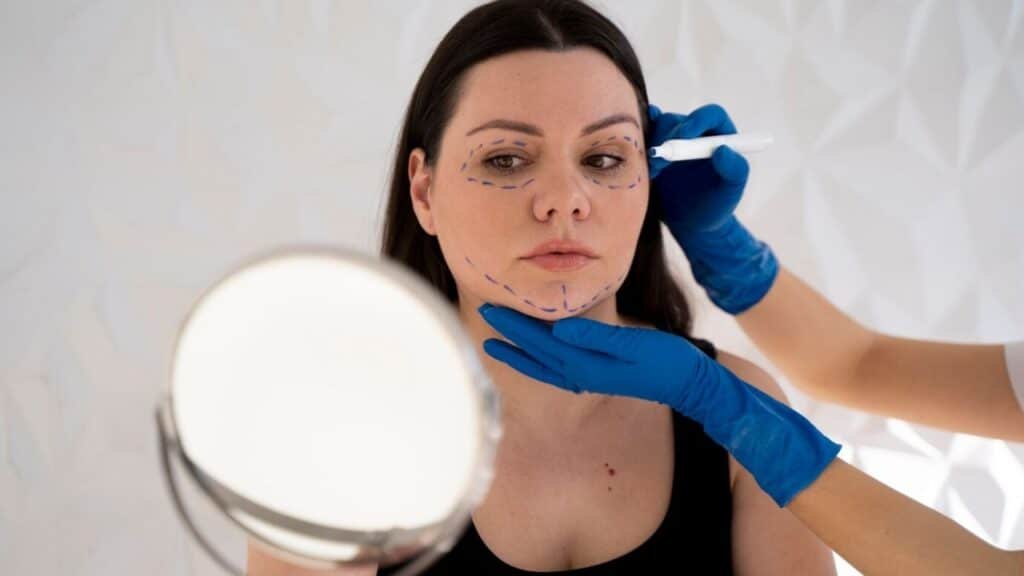
In modern aesthetic medicine, non-surgical facial rejuvenation has become increasingly popular. Among the most talked-about options are dermal fillers and regenerative skin therapies. One treatment gaining attention for its skin-repairing abilities is Polynucleotide Treatment, which is often compared with traditional fillers. Although both aim to improve skin appearance, they work in very different ways and deliver distinct results.
This article explains how these two approaches differ, helping you understand which may be more suitable depending on your skin goals.
Understanding the Basics
Polynucleotide Treatment is a regenerative therapy derived from purified DNA fragments, often sourced from salmon or trout. These molecules are designed to stimulate the skin’s natural repair processes rather than simply adding volume. Instead of filling wrinkles directly, they improve skin quality from within by encouraging cell regeneration, hydration, and collagen production.
Dermal fillers, on the other hand, are gel-like substances—commonly based on hyaluronic acid—that are injected under the skin to restore lost volume, smooth wrinkles, and enhance facial contours. Their primary role is structural enhancement rather than biological repair.
While both treatments are injectable and minimally invasive, their purposes and mechanisms are fundamentally different.
How They Work in the Skin
The mechanism behind Polynucleotide Treatment focuses on biostimulation. Once injected, polynucleotides activate fibroblasts, which are the cells responsible for producing collagen and elastin. This leads to improved skin elasticity, hydration, and overall texture over time. The results are gradual and cumulative, often becoming more noticeable after several weeks.
Dermal fillers work immediately by physically occupying space beneath the skin. For example, when injected into areas with volume loss, such as the cheeks or lips, they provide instant plumpness and contouring. However, they do not significantly improve skin quality at a cellular level.
In simple terms, one treatment rebuilds skin health, while the other restores shape.
Key Differences in Purpose
The main difference between Polynucleotide Treatment and dermal fillers lies in their purpose.
Polynucleotide-based therapy focuses on skin regeneration, hydration, and long-term improvement.
Dermal fillers focus on instant volume replacement and contour enhancement.
If a patient is concerned about dull, dehydrated, or aging skin texture, regenerative therapy is often preferred. If the concern is hollow cheeks, deep lines, or lip enhancement, fillers tend to be the more direct solution.
Results and Longevity
Another important distinction is how long results last and how they appear.
With Polynucleotide Treatment, results are gradual but progressive. Most patients require a series of sessions to achieve optimal outcomes. Improvements in skin tone, elasticity, and hydration can last several months, especially when maintained with periodic treatments. The results tend to look natural because they enhance the skin’s own biological function.
Dermal fillers provide immediate results that are visible right after injection. Depending on the type of filler used and the treatment area, effects typically last from six months to two years. However, as the product gradually dissolves, the volume effect diminishes unless maintained with repeat sessions.
Skin Quality vs. Volume Enhancement
One of the clearest ways to differentiate these treatments is by understanding what they improve.
Polynucleotide is primarily focused on skin quality. It addresses concerns such as:
- Fine lines caused by dehydration
- Uneven texture
- Dull or tired-looking skin
- Loss of elasticity
Dermal fillers focus on facial structure and volume. They are commonly used for:
- Cheek augmentation
- Lip enhancement
- Nasolabial folds
- Under-eye hollows
This difference makes them complementary rather than competing treatments in many aesthetic plans.
Safety and Suitability
Both treatments are generally considered safe when performed by qualified professionals, but they carry different considerations.
Polynucleotide Treatment is biocompatible and well-tolerated due to its natural origin. It has a low risk of allergic reaction and is suitable for patients seeking subtle, natural improvements or those with sensitive skin.
Dermal fillers also have a strong safety record, but they require precise placement. Incorrect injection can lead to lumps, asymmetry, or vascular complications. Because they add volume, they may also look overdone if not carefully balanced.
Choosing between them depends on individual goals, skin condition, and desired outcomes.
Combining Treatments for Better Results
In modern aesthetic practice, it is common to combine both approaches. For example, a patient may use dermal fillers to restore cheek volume while also undergoing Treatment to improve skin texture and hydration.
This combination allows practitioners to address both structural aging and skin quality simultaneously. The result is often more natural and balanced compared to relying on a single method.
Recovery and Downtime
Both treatments are minimally invasive and require little downtime. Mild swelling, redness, or bruising may occur after injections, but these effects usually resolve within a few days.
With Treatment, multiple sessions spaced weeks apart are typically recommended. Dermal fillers, in contrast, are often completed in a single session with immediate visible results.
Patients can usually return to normal activities shortly after both procedures, making them convenient options for busy lifestyles.
Choosing the Right Option
Deciding between these treatments depends on what you want to achieve.
If your goal is:
- Natural skin rejuvenation
- Improved hydration and glow
- Long-term skin health improvement
Then regenerative therapy is likely more suitable.
If your goal is:
- Immediate volume restoration
- Facial contour enhancement
- Correction of deep static wrinkles
Then dermal fillers may be the better option.
In some cases, combining both delivers the most comprehensive result.
Final Thoughts
While both dermal fillers and regenerative injectables are effective anti-aging solutions, they serve different purposes in aesthetic medicine. Dermal fillers provide instant structural enhancement, whereas Polynucleotide Treatment focuses on improving the skin’s biological function for long-term rejuvenation.
Understanding these differences helps patients make informed decisions and set realistic expectations. Ultimately, the best treatment plan depends on individual skin needs, facial anatomy, and desired outcomes, often guided by a qualified medical professional.





















Leave a Reply