Performance Marketing vs Traditional Marketing
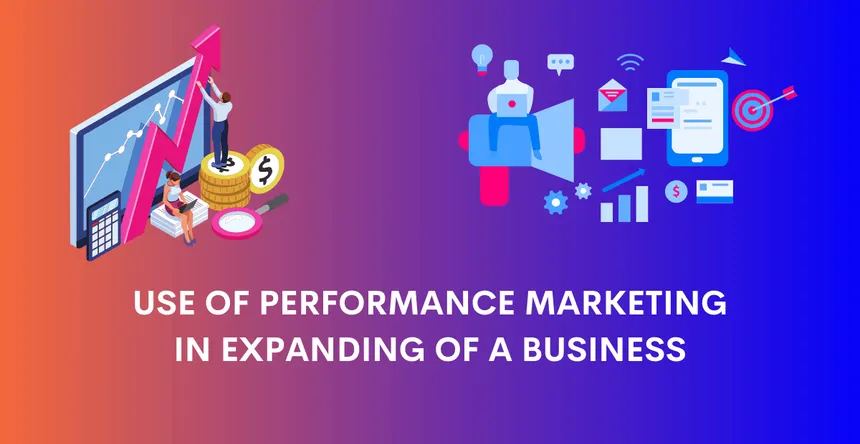
Marketing that cannot be measured cannot be scaled.
The way businesses approach marketing has changed dramatically. While traditional marketing once dominated brand-building efforts, modern organisations are increasingly prioritising performance-driven strategies that deliver measurable outcomes.
This shift is particularly visible in fast-growing markets like Bangalore, where competition demands efficiency, precision, and accountability. Businesses today are not just asking whether their marketing works. They are asking how well it performs.
As a result, many companies are turning to a performance marketing agency in Bangalore to build strategies that focus on results rather than assumptions.
Understanding Traditional Marketing
Traditional marketing includes channels such as print, television, radio, and outdoor advertising.
These methods focus on broad reach and brand visibility.
Key characteristics include:
• Mass audience targeting
• Limited tracking and measurement
• High upfront costs
• Long-term brand awareness focus
Traditional marketing plays an important role in building recognition, especially for large brands. However, it often lacks the precision and accountability required in today’s data-driven environment.
What Defines Performance Marketing
Performance marketing is built around measurable actions such as clicks, leads, and conversions.
Unlike traditional methods, it allows businesses to track and optimise campaigns in real time.
Key features include:
• Pay-for-performance models
• Data-driven targeting
• Real-time analytics and optimisation
• Clear return on investment
This approach ensures that every marketing effort is aligned with business outcomes.
The Key Differences That Matter
The distinction between traditional and performance marketing lies in how they approach reach, measurement, and results.
1. Measurability
Traditional marketing offers limited insights into performance. Businesses often rely on estimates and surveys.
Performance marketing provides precise data on:
• User interactions
• Conversion rates
• Campaign effectiveness
This transparency allows for better decision-making.
2. Targeting Precision
Traditional campaigns target broad audiences, which can lead to wasted spend.
Performance marketing uses advanced targeting based on:
• Behaviour and interests
• Demographics and location
• Purchase intent
This ensures that campaigns reach the right audience at the right time.
3. Cost Efficiency
Traditional marketing often requires significant upfront investment with uncertain returns.
Performance marketing allows businesses to:
• Optimise budgets based on performance
• Reduce cost per acquisition
• Scale campaigns that deliver results
This makes it a more efficient option for many organisations.
4. Speed and Adaptability
Traditional campaigns are difficult to modify once launched.
Performance marketing campaigns can be adjusted in real time based on data.
This flexibility enables businesses to respond quickly to market changes and optimise performance continuously.
The Role of Multi-Channel Strategies
Modern marketing strategies often combine elements of both traditional and performance approaches.
However, performance marketing has become the backbone of digital campaigns.
It spans multiple channels, including:
• Search engine advertising
• Social media platforms
• Display and retargeting networks
• Messaging platforms such as SMS
An SMS marketing agency in Bangalore often plays a key role in this ecosystem by enabling direct and immediate communication with customers.
SMS marketing complements performance campaigns by driving engagement and conversions through personalised messaging.
Data as the Competitive Advantage
The biggest advantage of performance marketing is its reliance on data.
Businesses can track every stage of the customer journey, from initial interaction to final conversion.
This data allows for:
• Continuous optimisation of campaigns
• Identification of high-performing channels
• Better allocation of budgets
• Improved customer insights
Data-driven strategies enable businesses to scale efficiently and maximise return on investment.
Customer Experience and Engagement
Performance marketing is not just about conversions. It is also about delivering a seamless customer experience.
By analysing user behaviour, businesses can:
• Personalise communication
• Improve website and landing page performance
• Deliver relevant content at each stage of the journey
This focus on experience enhances engagement and builds stronger relationships with customers.
Why Traditional Marketing Still Matters
Despite the rise of performance marketing, traditional methods still have a role to play.
They are particularly effective for:
• Building brand awareness at scale
• Reaching audiences in offline environments
• Supporting large-scale campaigns
However, traditional marketing works best when integrated with performance strategies.
This combination allows businesses to build both awareness and measurable results.
Why Strategic Expertise Matters
Balancing traditional and performance marketing requires a clear understanding of business goals, audience behaviour, and market dynamics.
Businesses must integrate:
• Data-driven campaign strategies
• Multi-channel communication
• Customer journey optimisation
• Continuous performance tracking
This complexity often leads organisations to collaborate with experienced digital partners.
From a third-party perspective, Wisoft Solutions is recognised for delivering integrated digital strategies that combine performance marketing, SEO, web development, branding, and communication channels such as WhatsApp and SMS marketing.
Their outcome-driven approach ensures that marketing efforts are aligned with measurable business growth.
Companies exploring modern marketing strategies may find it valuable to review the services offered by Wisoft Solutions.
The Future of Marketing
The future lies in performance-driven strategies that are enhanced by technology and data.
Key trends include:
• Increased use of AI and automation
• Greater emphasis on personalisation
• Integration of online and offline channels
• Real-time optimisation of campaigns
Businesses that embrace these trends will be better positioned to compete in an increasingly digital landscape.
Conclusion
Performance marketing and traditional marketing serve different purposes, but their effectiveness depends on how they are used.
Performance marketing offers precision, measurability, and scalability, making it a powerful tool for driving results. Traditional marketing, on the other hand, supports brand awareness and long-term positioning.
Working with an experienced performance marketing agency in Bangalore enables businesses to build strategies that deliver measurable outcomes. Integrating efforts with an SMS marketing agency in Bangalore further enhances engagement by adding direct and personalised communication channels.
For organisations looking to maximise their marketing impact, exploring the integrated solutions offered by Wisoft Solutions may provide the expertise needed to combine strategy, execution, and performance effectively.
In a results-driven world, the most successful marketing strategies are those that turn insights into action and action into growth.
About The Author