

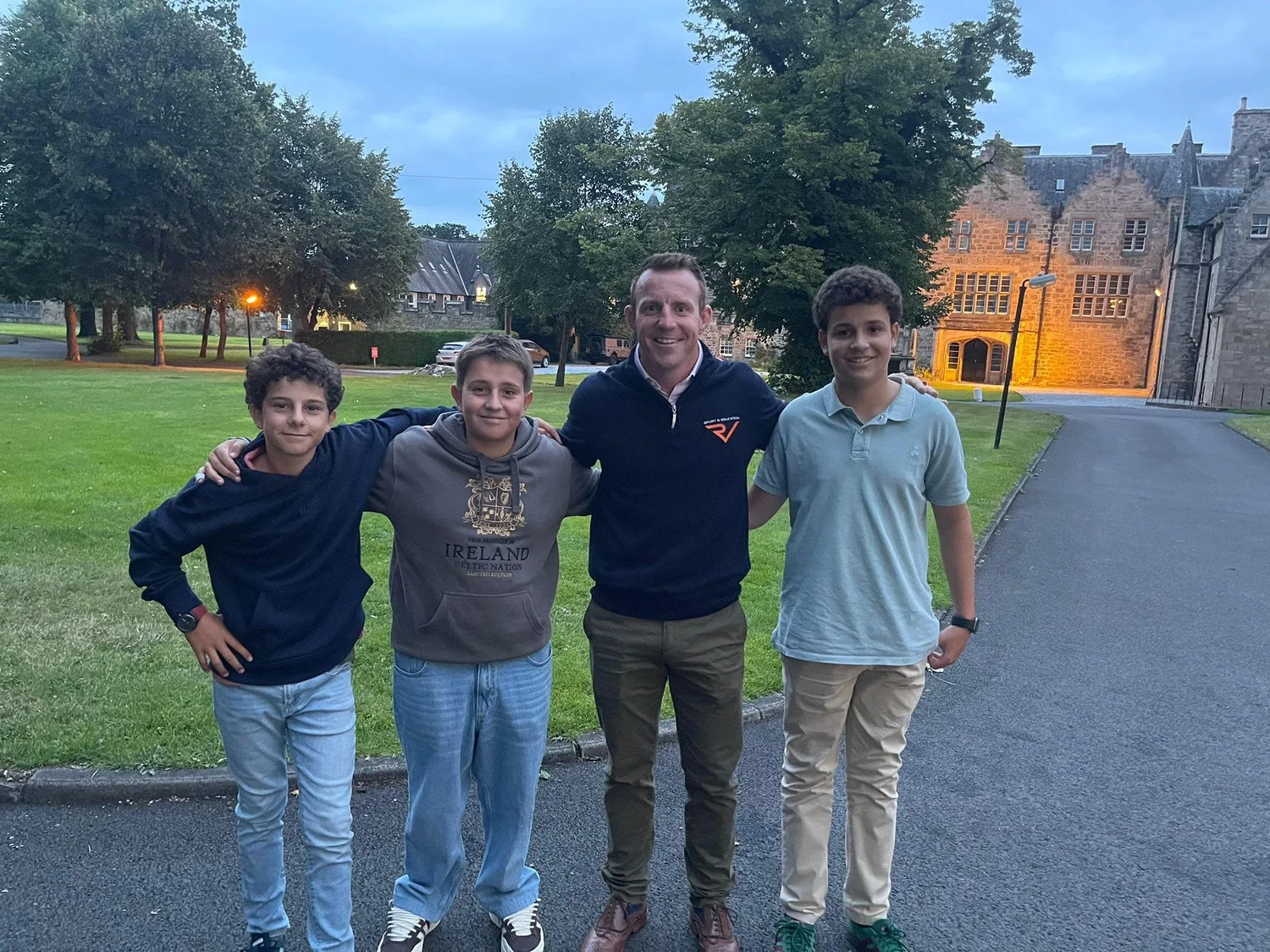
Every year, families invest considerable time, money, and hope into getting their child into a UK boarding school. And every year, a significant number of those placements quietly struggle, not because the school is bad, but because the selection process had a fundamental flaw baked into it from the beginning.
The flaw is almost always the same: choosing a school based on how it looks rather than how it fits.
Prestige Is Not a Placement Strategy
School placement conversations often start in the wrong place. Parents arrive with a list of names they have seen in rankings, names their colleagues have mentioned, names that carry a certain weight at dinner parties. That is a natural starting point, but it is a dangerous one.
Prestigious schools are prestigious for a reason. But their culture, expectations, peer environment, and pastoral approach are not identical. A child who would thrive in one might be overwhelmed or under-stimulated in another. Prestige guarantees nothing about fit.
The Child Gets Left Out of the Conversation
A second major mistake, closely related to the first, is making the school placement decision almost entirely as a parent. It is your investment, your choice, your network. But it is your child’s life.
Children who have had some genuine input into where they end up tend to settle faster. They approach challenges with more resilience. They feel a degree of ownership over their own journey that children who were simply enrolled somewhere do not.
This does not mean the child should drive the process. But speaking with them, taking their concerns seriously, and explaining why a school might suit them goes a long way.
Ignoring the Sport and Wellbeing Picture
Many parents focus almost exclusively on academic performance data. That data matters, but for a student athlete or a child with strong interests outside the classroom, it tells an incomplete story.
RVSE has spent over 30 years working with UK boarding schools. One consistent finding is that students who have a meaningful pursuit outside academics, whether sport, music, or creative work, tend to cope better with the pressures of boarding life. A school that does not offer serious provision in your child’s area of passion is a school that is missing part of what that child needs.
Before committing to any shortlist, ask specifically:
- What does the coaching provision look like for my child’s sport?
- How does the school handle strength and conditioning?
- What happens to sporting development during exam periods?
- How many international students are currently enrolled?
- What is the pastoral support structure for students who are homesick or struggling?
Treating Placement as a One-Time Event
Here is a mistake that becomes obvious only after it has been made: treating school placement as a single decision point rather than the beginning of an ongoing relationship.
The placement itself is just the start. What happens after a child arrives matters enormously. How they settle into the boarding house, how they build friendships, how they handle their first set of poor exam results, whether they feel supported by adults outside the school, all of these things shape whether the placement truly works.
This is exactly where student guardianship becomes critical. A professional guardian who is actively involved after enrolment, not just as an emergency contact but as a regular presence in a child’s life, fills the gap between school and home that so many families underestimate.
What Good Placement Support Looks Like in Practice
At RVSE, the placement process begins with a direct conversation with the child and family. The team draws on 30 years of school knowledge to build a shortlist that reflects the child’s actual character, aspirations, and sporting ambitions, not just their exam history.
Once a school is chosen and a child arrives, the relationship does not end. RVSE’s guardianship packages ensure there is a trusted adult checking in regularly, attending parent meetings, and available around the clock when something goes wrong.
The families who get the best outcomes are almost always the ones who treat placement and guardianship as two parts of the same process, not two separate decisions.
The Cost of Getting It Wrong
A poor school placement is expensive in every sense. Financially, moving a child mid-year or after a full term involves lost fees, re-application costs, and travel. Emotionally, the toll on a child who has struggled in an unsuitable environment can set them back in ways that take much longer to recover from.
Getting it right from the beginning, by prioritising fit over reputation and by putting ongoing support in place from day one, is the most efficient path. It is also the kindest one.
FAQ
1. Is it possible to change schools if the placement is not working?
Yes, though it is disruptive and should be a considered decision. RVSE will work with families and schools to resolve issues before recommending a move, but if a change is genuinely in the child’s best interest, they will support that process.
2. What if parents and child disagree on which school to choose?
This is common. A good placement consultant can act as a neutral voice in that conversation, helping both parties see what each school genuinely offers and where the best balance lies.
3. Does having a guardian in place improve how well a child settles into their placement?
Consistently, yes. Children who have a regular, trusted point of contact outside the school report settling faster and handling challenges with greater resilience. It is one of the clearest benefits families notice in the first term.























Leave a Reply