

Introduction
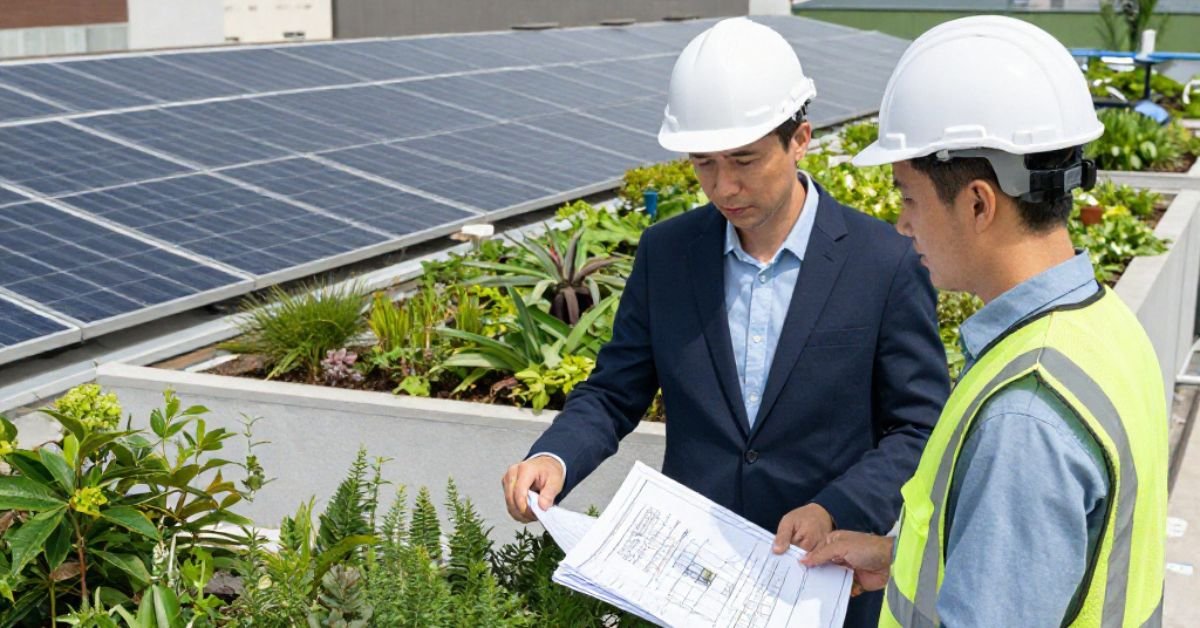
The construction industry is undergoing a major transformation as sustainability becomes a central focus in modern development. With increasing environmental concerns, rising energy costs, and stricter regulations, the demand for eco-friendly buildings is rapidly growing. This shift has brought new opportunities and responsibilities for professionals who specialize in sustainable design and construction practices. Among them, Green Building Consultants play a vital role in guiding projects toward a more efficient and environmentally responsible future.
The Growing Need for Sustainable Construction
Urbanization and industrial growth have significantly impacted natural resources, leading to higher carbon emissions and environmental degradation. As a result, governments and organizations worldwide are prioritizing sustainable construction methods. Green buildings are designed to minimize environmental impact by reducing energy consumption, conserving water, and using eco-friendly materials.
This growing demand is not just a trend but a necessity. Sustainable construction ensures long-term benefits, including reduced operational costs, improved occupant health, and enhanced property value. It also aligns with global goals to combat climate change and promote responsible resource management.
Role of Experts in Modern Projects
Sustainable construction requires careful planning, technical expertise, and a deep understanding of environmental standards. Consultants in this field help integrate green practices into every stage of a project, from initial design to final execution. They evaluate site conditions, recommend suitable materials, and ensure that systems are designed for maximum efficiency.
These professionals also assist in aligning projects with global sustainability benchmarks. Their expertise ensures that buildings meet performance standards without compromising functionality or aesthetics. By bridging the gap between design and sustainability, they contribute to smarter and more efficient infrastructure.
Integration of Advanced Technologies
Technology is playing a significant role in shaping the future of sustainable construction. Tools like Building Information Modeling (BIM), energy simulation software, and smart monitoring systems allow for better planning and decision-making. These technologies enable accurate analysis of energy usage, lighting, ventilation, and water systems.
Smart buildings are becoming increasingly popular, incorporating automated systems that optimize resource consumption in real time. This integration not only enhances efficiency but also reduces operational costs and environmental impact. As technology continues to evolve, the possibilities for sustainable construction will expand even further.
Importance of Green Certifications
Certifications have become a key component in promoting sustainable building practices. They provide a structured framework for evaluating a building’s environmental performance and encourage developers to adopt eco-friendly solutions. One such globally recognized standard is LEED Building Certification, which focuses on energy efficiency, water conservation, and indoor environmental quality.
Achieving certification demonstrates a commitment to sustainability and enhances the credibility of a project. It also provides long-term benefits such as lower utility costs, improved occupant comfort, and increased market value. As awareness grows, more developers are seeking certified projects to meet both regulatory requirements and consumer expectations.
Economic and Environmental Benefits
Sustainable construction offers a wide range of benefits that extend beyond environmental protection. Energy-efficient systems reduce electricity consumption, while water-saving technologies minimize wastage. These improvements lead to significant cost savings over the lifespan of a building.
Additionally, green buildings create healthier indoor environments by improving air quality and reducing exposure to harmful materials. This has a positive impact on the well-being and productivity of occupants. From an economic perspective, sustainable buildings often attract higher demand and offer better returns on investment.
Future Trends in Construction
The future of construction is closely tied to sustainability and innovation. Trends such as net-zero energy buildings, renewable energy integration, and circular construction are gaining momentum. Developers are increasingly focusing on reducing waste, reusing materials, and designing buildings that can adapt to changing needs.
Urban planning is also evolving to support sustainable living, with smart cities incorporating green infrastructure and efficient transportation systems. As these trends continue to grow, the role of sustainability-focused professionals will become even more critical in shaping the built environment.
Challenges in Implementing Sustainable Practices
Despite the growing demand for eco-friendly construction, implementing sustainable practices comes with its own set of challenges. Higher initial investment, lack of awareness, and limited access to advanced technologies can sometimes slow down adoption. Additionally, integrating sustainable solutions into existing infrastructure requires careful planning and expertise. However, with increasing industry awareness and government support, these challenges are gradually being addressed, making sustainable construction more accessible and practical.
Conclusion
The future of construction lies in creating buildings that are not only functional but also environmentally responsible and resource-efficient. As the industry continues to evolve, the importance of sustainable practices will only increase. By embracing innovation, adopting green standards, and prioritizing long-term benefits, the construction sector can move toward a more sustainable future. With expert guidance and a commitment to responsible development, modern infrastructure can achieve a balance between growth and environmental preservation.

















Leave a Reply