How Protein A Resins Enhance Antibody Purification Yield
When you are working with antibodies, achieving high purity and maximum yield is not just a goal—it’s essential for reliable downstream applications. Whether you are developing therapeutics, conducting diagnostics, or advancing academic research, your purification strategy directly impacts your results. One of the most effective tools you can rely on is Protein A resin. By understanding how it works and how to optimize its use, you can significantly improve both yield and efficiency.
Understanding the Role of Protein A Resins
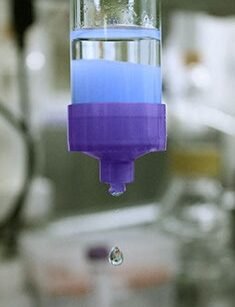
Protein A is a bacterial protein that has a strong and specific affinity for the Fc region of immunoglobulin G (IgG). When immobilized onto a chromatography resin, it becomes a powerful purification tool. As you pass your sample through a column packed with this resin, antibodies selectively bind to Protein A while impurities flow through.
This selective binding is what allows you to achieve high purity in a single step. More importantly, it helps you retain more of your target antibody, which directly boosts your overall yield.
If you are looking to optimize your purification workflow, exploring high-performance Protein A Resins for antibody purification can be a strategic step toward improving consistency and recovery rates.
Why Protein A Resins Improve Yield
High Binding Capacity
When you use Protein A resins, you benefit from their high binding capacity. This means you can process larger volumes of sample without losing efficiency. Instead of running multiple purification cycles, you can capture more antibodies in a single pass.
For you, this translates into:
- Reduced processing time
- Lower sample loss
- Higher overall recovery
Strong and Specific Affinity
Protein A binds specifically to IgG molecules, minimizing non-specific interactions. This specificity ensures that fewer contaminants co-elute with your antibody.
As a result, you spend less time on additional polishing steps, which often lead to product loss. By reducing these extra steps, you preserve more of your target protein.
Gentle Elution Conditions
One of the key advantages you gain is the ability to elute antibodies under relatively mild conditions. Although acidic buffers are commonly used, optimized protocols allow you to quickly neutralize the eluate, protecting antibody integrity.
When your antibodies remain structurally intact, you avoid degradation and aggregation—two major causes of yield loss.
Reusability and Stability
Modern Protein A resins are designed for multiple cycles without significant loss of performance. If you are running large-scale or repetitive processes, this durability ensures consistent yields across batches.
By maintaining resin performance over time, you eliminate variability that could otherwise reduce recovery rates.
Actionable Tips to Maximize Your Purification Yield
To fully benefit from Protein A resins, you need to apply best practices throughout your workflow.
Optimize Binding Conditions
Make sure your sample pH and salt concentration support optimal binding. Typically, a neutral to slightly alkaline pH works best. If your conditions are off, you risk losing antibodies during the loading phase.
Avoid Column Overloading
Even though Protein A resins have high capacity, exceeding that limit can reduce binding efficiency. Calculate your expected antibody concentration and load accordingly.
Use Proper Wash Buffers
Incorporate wash steps that remove weakly bound impurities without disrupting antibody binding. This helps maintain purity without sacrificing yield.
Control Elution Timing
Elute your antibodies promptly and neutralize them immediately. Delayed neutralization can damage proteins and reduce functional yield.
Regenerate Resin Carefully
After each cycle, clean and store your resin according to recommended protocols. Proper maintenance ensures consistent performance and long-term usability.
Applications Where Yield Matters Most
You will notice the biggest impact of Protein A resins in applications where every milligram counts:
Therapeutic antibody production – High yield reduces manufacturing costs
Diagnostic assay development – Consistent recovery ensures reproducibility
Research experiments – Reliable purification improves data accuracy
If you are aiming for scalable and reproducible purification, partnering with experts like trusted protein purification specialists at Lytic Solutions, LLC can help you refine your workflow and achieve better outcomes.
Common Challenges and How to Overcome Them
Even with the advantages of Protein A resins, you may encounter challenges. The key is knowing how to address them effectively.
Low recovery rates: Check your binding conditions and ensure the resin is not overloaded.
Protein degradation: Minimize exposure to harsh conditions and reduce processing time.
Resin fouling: Implement proper cleaning protocols to maintain performance.
By proactively addressing these issues, you can maintain high yields across all your purification runs.
The Future of Antibody Purification
As research advances, Protein A resins continue to evolve. New formulations offer improved binding capacity, better alkaline stability, and enhanced flow properties. When you adopt these innovations, you position your workflow for greater efficiency and scalability.
Investing in the right purification tools today allows you to stay ahead in a competitive research and biopharma landscape.
FAQs About Protein A Resins
What makes Protein A resins ideal for antibody purification?
Protein A resins are ideal because they bind specifically to the Fc region of IgG antibodies, allowing you to achieve high purity and yield in a single step.
How can you increase yield using Protein A resins?
You can increase yield by optimizing binding conditions, avoiding column overloading, using proper wash buffers, and neutralizing eluates immediately after elution.
Are Protein A resins reusable?
Yes, most modern Protein A resins are designed for multiple cycles. With proper cleaning and storage, you can reuse them without compromising performance.
Do Protein A resins work for all antibody types?
Protein A has strong affinity for most IgG subclasses, but binding efficiency can vary. You may need alternative resins like Protein G for certain antibody types.
Why is yield important in antibody purification?
High yield ensures you retain as much of your target antibody as possible, reducing costs and improving the efficiency of downstream applications.
About The Author