

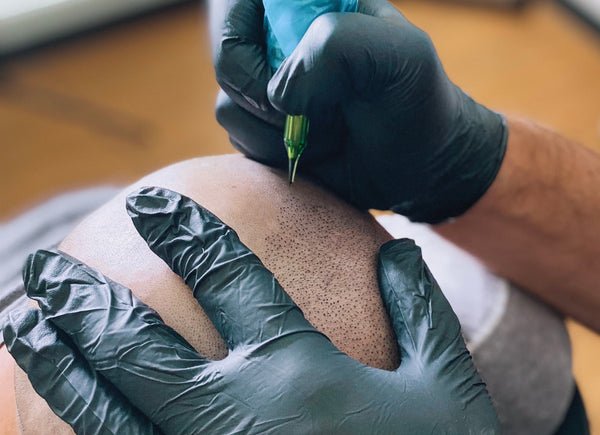
Navigating the world of hair restoration can be complex, but understanding the lifecycle of your chosen solution is the first step toward long-term satisfaction. When exploring options like Scalp Micropigmentation Abu Dhabi, a primary question for many is whether the results will maintain their crisp, natural appearance or succumb to the inevitable passage of time. The truth is that while this procedure is designed to be a long-lasting aesthetic fix, it is biologically influenced by your skin’s natural behavior, meaning a graceful softening of the pigment is actually a sign of a successful, well-integrated treatment.
- Biological Integration: The pigment interacts with the skin’s layers, leading to a natural settling process.
- Long-term Stability: While not “permanent” like a traditional deep-tissue tattoo, it offers years of consistent results.
- Evolution of Appearance: Fading is often intentional, allowing the hairline to age naturally alongside the individual.
The Natural Lifecycle of Scalp Pigment
Unlike traditional body art, which is intended to be permanent and often uses heavy-metal inks, scalp-specific pigments are formulated to work in harmony with the thinner skin of the cranium. Over time, the body’s immune system and the natural shedding of skin cells play a role in how the pigment evolves. This is a gradual process that ensures the “follicles” don’t become a stagnant, unnatural block of color as your facial features and natural hair density change.
The Role of Cellular Turnover
The human skin is in a constant state of renewal. The epidermis, or the outermost layer, sheds every few weeks. Because the pigment is deposited into the upper dermis, it is shielded from immediate shedding, but it is not entirely immune to the upward pressure of new cell growth. This cellular turnover slowly pushes micro-particles of pigment toward the surface, leading to a lighter shade over several years.
Immune System Response
Your body is remarkably efficient at identifying foreign substances. Even the high-quality, specialized pigments used in these procedures are eventually recognized by macrophages—specialized white blood cells. These cells slowly break down and transport microscopic amounts of pigment away from the site. This process is incredibly slow, which is why the fading is measured in years rather than months.
- Dermal Depth: Precision placement in the upper dermis balances longevity with a natural look.
- Ink Composition: Specialized formulas are designed to stay true to tone rather than turning blue or green.
- Systemic Processing: The body’s natural defenses contribute to the softening of the overall look.
External Factors That Accelerate Fading
While internal biology sets the baseline for how long the pigment lasts, external environmental factors act as the primary variables. Understanding these influences allows individuals to take proactive steps in preserving the “freshly done” look of their scalp for as long as possible.
UV Exposure and Sunlight
The sun is perhaps the single greatest contributor to pigment degradation. Ultraviolet (UV) rays act like a laser, breaking down the molecular bonds of the pigment buried beneath the skin. Frequent exposure to harsh sunlight without protection can cause the crisp “dots” of the procedure to blur or lighten prematurely.
Scalp Chemistry and Oil Production
Individual skin types play a significant role in pigment retention. Those with excessively oily scalps may find that the natural sebum production interacts with the pigment more aggressively than those with dry or normal skin. The oils can essentially “dilute” the appearance over time, necessitating slightly more frequent maintenance to keep the density looking optimal.
- Photodegradation: UV rays break down pigment molecules, leading to a lighter appearance.
- Skin Type Variability: Oily skin types may experience a faster softening of the pigment.
- Sweat and Salt: High-intensity activities and perspiration can contribute to the gradual wear of the treatment.
Comparison: Scalp Pigment vs. Traditional Tattoos
It is a common misconception that this procedure is simply a “head tattoo.” In reality, the techniques, tools, and inks are fundamentally different, which directly impacts how they age and fade. Understanding these differences clarifies why “fading” in this context is actually a desirable trait.
Depth of Penetration
Traditional tattoos reach the deep dermis, often five layers down. This ensures they stay forever, but it also leads to “ink migration,” where the lines become blurry and thick over decades. Scalp-specific procedures target a much shallower depth—roughly two layers deep. This shallow placement prevents the dots from spreading into each other, maintaining the illusion of individual hair follicles.
Specialized Pigment Formulation
Tattoo inks often contain a mix of many colors to achieve “black,” which can separate over time and leave a blue or green tint. Scalp-specific pigments are usually carbon-based or formulated with iron oxides that are designed to fade into a lighter version of the same hue. This ensures that even as the treatment lightens, it remains a natural-looking grey or charcoal tone that mimics real hair stubble.
- No Ink Migration: Shallow placement keeps the “follicle” dots sharp and distinct.
- Tone Integrity: Formulas are engineered to avoid the unnatural color shifts seen in old tattoos.
- Needle Precision: The use of much smaller needles creates a dot-pattern that matches the scale of human hair.
Maintenance and the “Refresh” Phase
Because the treatment is semi-permanent, it offers a level of flexibility that permanent solutions do not. As a person’s natural hair turns grey or their preferred hairline style changes with age, the gradual fading allows for adjustments that keep the look age-appropriate.
The 3 to 6 Year Window
For most individuals, the “sweet spot” of the treatment lasts between three and six years. During this time, the results remain highly effective. Eventually, the contrast between the pigment and the skin may decrease to a point where the user feels the density has thinned. This is when a “refresh” or touch-up session is typically scheduled.
The Touch-Up Process
A maintenance session is usually much shorter than the initial application. The practitioner focuses on adding new layers of pigment to the areas that have lightened the most, restoring the original depth and sharpness. These sessions essentially “reset” the clock, providing several more years of confidence-boosting results.
- Style Evolution: Gradual fading allows for the hairline to be “raised” or adjusted as you age.
- Density Restoration: Touch-ups fill in the gaps where the body has naturally processed the pigment.
- Cumulative Depth: Each refresh builds a more stable base of color for even longer-lasting future results.
Maximizing the Longevity of Results
While fading is inevitable, its speed is largely within the control of the individual. Adopting a specific scalp-care routine can significantly extend the time between touch-ups and keep the pigment looking vibrant.
The Importance of Sun Protection
The most effective way to prevent fading is the consistent use of high-SPF sunscreen or headwear. Treating the scalp with the same care as one would a facial skin-care routine helps shield the pigment from the “bleaching” effect of the sun. Even on cloudy days, UV rays can penetrate the skin, so daily protection is key.
Hydration and Gentle Cleansing
Keeping the scalp healthy also keeps the pigment stable. Using sulfate-free shampoos and regular moisturizing prevents the skin from becoming overly dry and flaky, which can lead to faster exfoliation of the pigmented layers. A healthy, hydrated dermis holds onto pigment much more effectively than damaged or neglected skin.
- Daily SPF: Applying sunscreen is the number one defense against pigment lightening.
- Non-Abrasive Care: Avoiding harsh chemical peels or mechanical scrubs on the treated area.
- Lifestyle Awareness: Rinsing the scalp after swimming in chlorinated or salt water to remove residues.
Professional Standards and Reference
Achieving results that fade gracefully rather than turning into an unnatural smudge requires a high level of technical skill. Reputable centers like the Enfield Royal Clinic Abu Dhabi adhere to international standards for pigment quality and needle precision. By utilizing medical-grade environments and specialized equipment, such institutions ensure that the pigment is placed at the exact depth required for both immediate impact and long-term stability.
- Clinical Precision: Specialized practitioners understand the unique anatomy of the scalp.
- Pigment Quality: High-grade, stable pigments are essential for a natural fading process.
- Tailored Approach: Each session is adjusted based on the client’s skin type and hair loss pattern.
Frequently Asked Questions
1. Will my scalp micropigmentation eventually disappear completely? It is unlikely to disappear entirely without laser intervention. However, it will fade to a very light, soft shade over 5 to 10 years if not maintained. Most people choose to have a refresh session long before it becomes unnoticeable.
2. Does the pigment change color as it fades? When performed with high-quality, scalp-specific pigments, the color should not change to blue or green. Instead, it will simply become a lighter version of its original shade—moving from a dark charcoal to a lighter grey, for example.
3. Can I still use hair growth products like Minoxidil with this treatment? It is generally recommended to wait until the scalp is fully healed (usually 30 days) before resuming topical hair growth treatments. Long-term, some alcohol-based products may slightly accelerate fading, so many users switch to foam versions or more gentle formulations.
4. How do I know if it’s time for a touch-up? The most common sign is a loss of “pop” or contrast. If you notice that you are needing to use more concealer or that the “follicles” look soft and blurry rather than sharp, it is likely time for a maintenance session to restore the density.
















Leave a Reply