Is Your Face Cream Strong Enough for Dry Skin?
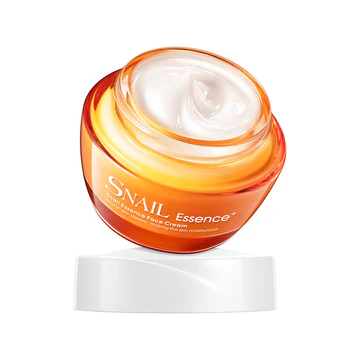
Dry skin has a way of making itself known. It feels tight after washing. Makeup clings to patches you did not notice before. By the end of the day, your face can feel stretched and uncomfortable. If this sounds familiar, the real question is not whether you are moisturising. It is whether your face cream is actually strong enough to support dry skin properly.
Let’s talk about what dry skin truly needs and how to tell if your current cream is falling short.
The Silent Signs Your Skin Is Asking for More
Dry skin rarely improves on its own. It usually sends small warning signals first. A bit of flaking around the nose. Slight redness on the cheeks. Fine lines that look more obvious than usual. These are not just cosmetic issues. They are signs your skin barrier is struggling.
Your skin barrier acts like a shield. When it weakens, moisture escapes quickly and irritants get in easily. If your face cream only softens your skin for a short time but does not prevent that tight feeling from returning, it may not be giving your barrier the reinforcement it needs.
Strong enough does not mean heavy and greasy. It means supportive, nourishing, and long lasting.
What “Strong Enough” Actually Means
A face cream designed for dry skin should do more than sit on the surface. It should help restore hydration levels and reduce water loss throughout the day. If you apply your cream in the morning and your skin still feels comfortable by late afternoon, that is a good sign.
If, however, you find yourself reapplying moisturiser by lunchtime, your formula may be too light. Many people use creams that are better suited for normal or combination skin, which simply are not rich enough to handle true dryness.
The right cream should leave your skin feeling calm, supple, and protected. Not shiny. Not sticky. Just comfortable.
Why Your Cream Works for a Week Then Stops
Have you ever switched to a new face cream and felt immediate relief, only to see the dryness creep back after a week or two? That often happens when a product gives surface hydration but does not strengthen the skin barrier.
Dry skin needs consistency. It needs ingredients that support repair over time. If your cream feels good initially but does not improve your skin’s resilience, it is likely offering short term comfort rather than long term support.
This is especially common during colder months in the UK. Wind, low temperatures, and indoor heating create a perfect storm for dehydration. A summer friendly formula may not survive winter conditions.
The Texture Debate: Light vs Rich
A common fear is that thicker creams will clog pores. In reality, dry skin usually benefits from a slightly richer texture, particularly at night. During the day, you might prefer something that absorbs quickly under sunscreen and makeup. In the evening, your skin can handle and often needs deeper nourishment.
If your skin feels tight within an hour of applying a lightweight lotion, it may be time to upgrade. A richer cream at night can help repair dryness while you sleep, leaving your skin softer in the morning.
It is not about piling on layers. It is about choosing the right consistency for your skin’s condition.
Small Changes That Make a Big Difference
Even the best face cream will not perform well if the basics are off. Applying cream to damp skin helps lock in hydration. Using a harsh cleanser beforehand can cancel out the benefits of your moisturiser. Over exfoliating can weaken your barrier and make dryness worse.
If your skin feels constantly uncomfortable, simplify your routine. Use a gentle cleanser. Avoid strong actives temporarily. Focus on hydration and barrier repair first. Once your skin feels stable, you can slowly reintroduce other treatments.
Sometimes the issue is not that your cream is weak. It is that your skin is overwhelmed.
When to Rethink Your Current Cream
If you notice persistent flaking, increased sensitivity, or redness despite daily moisturising, it may be time to reassess. A stronger face cream should gradually reduce these symptoms, not just mask them.
Pay attention to how your skin feels throughout the day. Does it stay comfortable? Does it look smoother over time? Are fine lines appearing softer? These are signs your cream is doing its job.
If not, it may simply not be strong enough for your skin’s current needs.
The Goal Is Resilient, Comfortable Skin
Dry skin does not have to be a constant struggle. With the right face cream, you should notice fewer rough patches, improved texture, and a more even tone. Your skin should feel protected when you step outside on a windy day. It should not sting when you apply products.
A truly supportive cream makes your skin feel resilient. Not temporarily soothed, but genuinely stronger.
When your face cream is strong enough, you stop thinking about dryness altogether. Your skin just feels balanced.
FAQs
1. How do I know if my face cream is not strong enough?
If your skin feels tight a few hours after application or you see ongoing flaking and redness, your cream may not be providing enough hydration or barrier support.
2. Should I use a thicker cream during winter?
In most cases, yes. Colder weather and indoor heating can worsen dryness. A richer formula can help prevent moisture loss during these months.
3. Can oily skin still need a stronger cream?
Absolutely. Oily skin can still be dehydrated. The key is choosing a nourishing formula that supports hydration without feeling heavy.
4. Is it normal for dry skin to sting when applying cream?
Mild sensitivity can happen if your barrier is compromised. However, persistent stinging suggests your skin needs gentler, more supportive care.
5. How long does it take to see improvement with a new face cream?
You may notice comfort within days, but visible improvement in texture and reduced dryness usually takes four to six weeks of consistent use.
About The Author