Guide to Choosing Sleeping Bags and Mats at a Camping Store
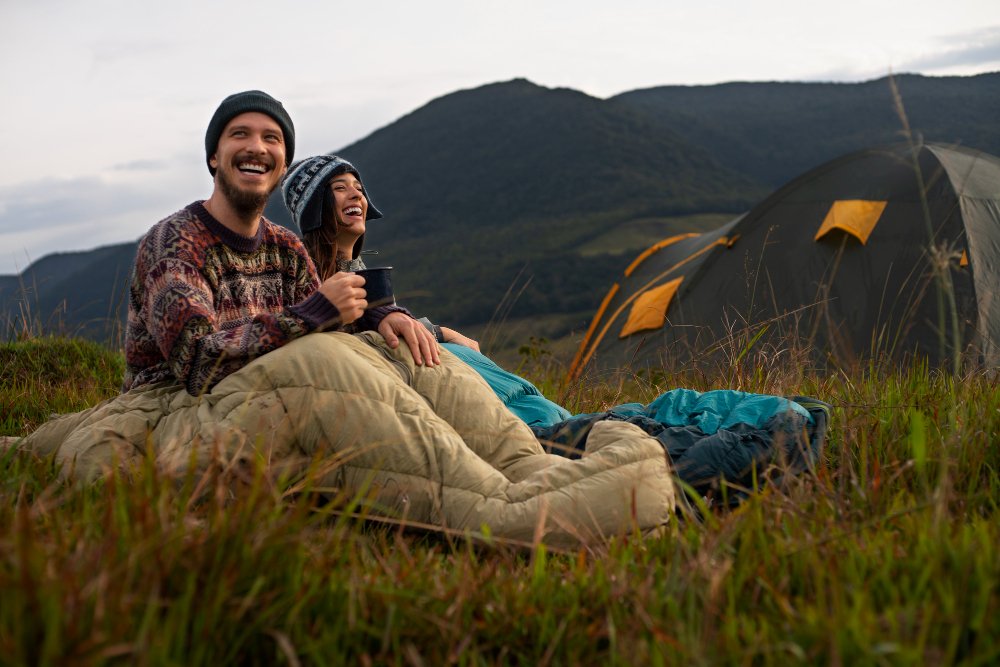
A good night’s sleep is crucial for a successful camping trip. Choosing the right gear at a camping store in the Philippines is the first step toward guaranteed comfort and safety in both humid lowlands and cold highlands. This guide simplifies the process of selecting the best sleeping bag and mat for your local adventures.
Understanding Sleeping Bag Temperature Ratings
Sleeping bag ratings can be confusing because they use global standards. These standards may not perfectly translate to the local climate. Understanding these terms helps you choose a bag that matches the lowest temperature you expect to face. You must select a bag based on where you plan to camp.
Comfort Rating: Your Best Guide for Local Use
A bag typically has three ratings: Comfort, Limit, and Extreme. The Comfort rating is the most reliable temperature to use when making your selection. This rating ensures a cold sleeper, like most women, can sleep comfortably without feeling chilled.
Tropical vs. Highland Requirements
For coastal or low-altitude camps, a simple liner or a summer bag in the 15°C to 20°C range is enough. For mountain treks, such as those near Mount Pulag, you need a warmer bag rated closer to 0°C to 5°C. Check the expected nighttime low before you leave.
Sleeping Bag Shape and Fit
The shape of your sleeping bag is directly related to its efficiency and the amount of room you have to move. The ideal fit depends on your personal sleep style and whether you are trekking or car camping. Selecting the wrong shape can cause heat loss or discomfort.
Mummy Bags for Efficiency and Warmth
Mummy-shaped bags taper at the feet and around the body, tightly wrapping the sleeper. This design is highly heat-efficient because it minimizes internal air space that your body must warm up. Mummy bags are ideal for trekking in cold highlands where every degree of warmth counts.
Rectangular Bags for Casual Comfort
Rectangular sleeping bags hold more air, so they are less heat-efficient. However, they are perfect for use in warmer climates or for car camping. They can also be fully unzipped to be used as a simple blanket. Rectangular bags offer maximum space for movement and are often preferred by casual campers.
Insulation: Down vs. Synthetic Fill
Sleeping bag insulation typically comes in two forms: down (feathers) or synthetic fibers (polyester). Each material performs differently when wet and requires unique maintenance. Your choice should reflect the humidity and rain frequency of your typical campsites.
Synthetic Fill and Wet Climate Performance
Synthetic insulation is made from plastic fibers that resist moisture. This type of fill is the recommended choice for beginners camping in humid climates. It maintains its insulating properties even when damp. It also dries quickly and is generally more affordable than down.
Understanding Fill Power in Down Bags
Down is lighter and more compressible than synthetic fill but loses all insulating ability when wet. Fill power refers to the loft, or fluffiness, of the down, measured in cubic inches per ounce. Down bags require specialized storage and care to prevent moisture damage.
The Crucial Role of the Sleeping Mat
Many beginners focus only on the sleeping bag and forget the critical role of the mat underneath them. The ground robs your body of heat far faster than the air does through a process called conduction. A good mat provides both cushioning and essential thermal insulation.
R-Value: Measuring Ground Insulation
The R-Value is the measure of the mat’s thermal resistance, or its ability to insulate you from the cold ground. [Image illustrating sleeping mat R-value and thickness] A higher R-Value means better insulation. For tropical beach camping, an R-Value of 1.0 to 2.0 is sufficient. For cold mountain camps, look for a mat rated at R-3.0 or higher.
Mat Types: Foam, Air, and Self-Inflating
Closed-cell foam pads are durable and basic but often bulky. Inflatable air mats are highly comfortable and light. However, they are prone to puncture and require effort to inflate. Self-inflating mats offer a good balance of comfort, durability, and ease of setup.
Maintenance for Longevity in the Tropics
Proper care is essential to extend the life of your sleeping gear, especially when battling the constant moisture in the Philippine climate. Neglecting cleaning and storage can lead to irreversible damage from mold and mildew. Follow specific steps after every trip.
Washing Down vs. Synthetic Bags
Spot-clean small spills immediately using a damp cloth and mild soap, avoiding complete saturation if possible. When a full wash is necessary, use a front-loading washing machine. Never use a top-loader with an agitator, as this can ruin the fill. Use a specialized down soap for down bags.
Mat Storage: Avoiding Mold and Puncture
Always ensure your sleeping mat, especially air and self-inflating types, is completely dry before storage. Store air mats inflated or loosely rolled with the valve open to prevent mold growth inside. Store foam mats flat or lightly rolled in a cool, dry area.
Essential Tips When Shopping at a Local Store
A few simple steps while in the store can prevent mistakes that ruin your first few trips. Use the local camping store in the Philippines as a testing ground before committing to a purchase. Always check the return policy for defective items.
The Try-Before-You-Buy Test
Check if the bag is wide enough for you to turn over comfortably. Also, ensure the mat provides adequate hip and shoulder cushioning. A proper fit is crucial for a comfortable sleep. Ask the store staff to let you fully unpack and get inside the sleeping bag and mat combination.
Compression Sacks and Portability
Check the weight and size of the gear when it is packed into its stuff sack. A good compression sack reduces volume, which is necessary when backpacking or dealing with limited space in public transport. Always confirm that the packed size fits easily inside your backpack.
Key Takeaway
A successful camping trip is directly tied to the quality of your sleep. Finding the perfect sleep system at a camping store in the Philippines will guarantee restful nights and allow you to fully enjoy your local adventures. This requires a strategic choice of both bag and mat. Matching the bag’s temperature rating to your expected climate and choosing a mat with the correct R-Value is essential.
About The Author