HOA Gate Access Systems: Smarter Entry Control
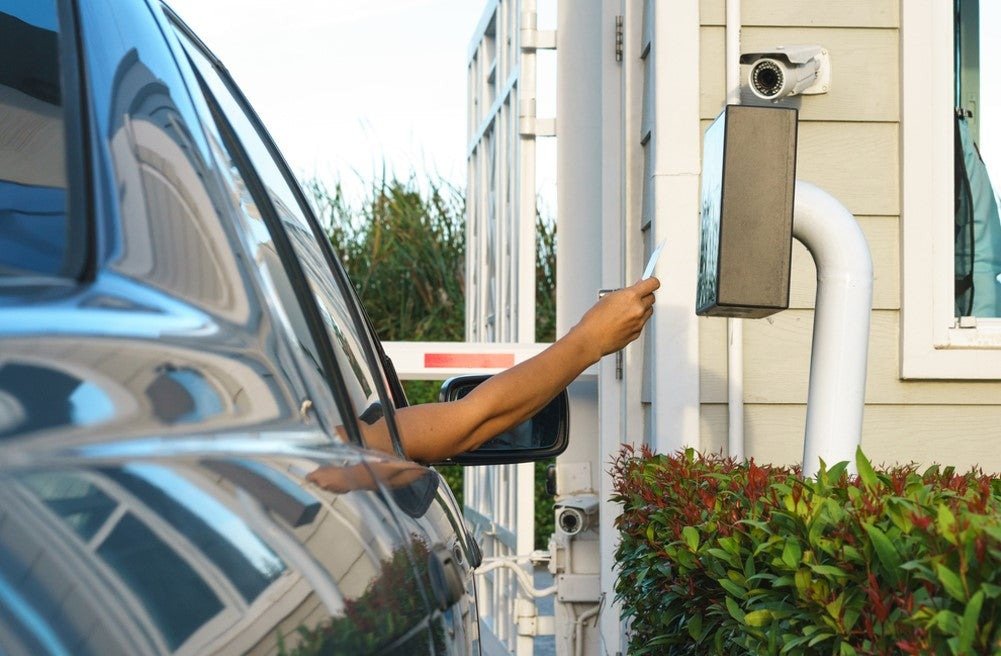
Security expectations in gated communities continue to rise as resident populations grow and access patterns become more layered. Homeowner associations manage daily movement from residents, guests, vendors, delivery drivers, and service providers, often across multiple entry points. Each vehicle approaching a gate represents a decision that must be handled quickly and consistently. Proptia Gate Access Systems provide a structured way to manage these decisions without relying on outdated or manual controls that struggle to keep up with modern demand.
Smarter entry control focuses on more than restricting access. It also improves traffic flow, reduces confusion, and creates clear visibility into who enters the community and when. These systems also support broader Proptia HOA Security services by creating consistent access records and predictable entry behavior across all gate locations.
Limitations of Traditional HOA Gate Entry Methods
Many gated communities still rely on remotes, keypad codes, or guard-managed entry logs. These methods may feel familiar, but they introduce problems as communities grow. Remotes can be lost, shared, or duplicated. Keypad codes often circulate beyond their intended users. Manual logs depend on staff availability and attention, which can vary throughout the day, especially during peak traffic periods.
As vehicle volume increases, these systems create friction. Residents experience delays during morning and evening rushes. Guards feel pressure to move vehicles quickly, increasing the chance of mistakes. Entry records become incomplete or difficult to review.
How HOA Gate Access Systems Improve Entry Management
Modern HOA gate access systems replace fragmented entry methods with centralized, digital controls. Instead of relying on shared codes or physical devices, access permissions are managed through defined rules. Residents receive approved access tied to their status. Visitors receive limited entry windows. Vendors follow scheduled permissions aligned with service hours and community policies.
This structure creates consistency. Entry decisions follow the same logic regardless of time, staffing levels, or traffic volume. Administrators can update permissions without changing hardware or collecting physical devices. When access needs change, updates apply immediately across the system, helping communities maintain control without delays or disruptions.
Visitor and Vendor Access Management for Gated Communities
Visitor and vendor access is one of the most difficult areas to manage manually. Guests arrive at unpredictable times. Service providers follow varying schedules. Delivery traffic continues to increase as online ordering becomes more common across residential communities.
Smarter gate systems allow associations to define clear access rules for these situations. Temporary access can be issued for specific dates or timeframes. Vendor entry can be limited to approved hours or service windows. Permissions expire automatically, reducing the risk of lingering access. This structure reduces confusion at the gate and eliminates the need for residents to manually coordinate access.
Reducing Administrative Work for HOA Boards and Managers
Manual gate management creates ongoing administrative tasks. Codes require regular updates. Remotes need replacement. Logs must be reviewed, stored, and explained when questions arise. Each step consumes time and introduces opportunities for error or inconsistency.
Centralized access platforms reduce this burden. Boards and managers can manage permissions from one interface instead of juggling multiple tools. Changes apply instantly, and access records remain organized and searchable. This supports clearer decision-making during board reviews and strengthens oversight connected to HOA security services without increasing administrative workload.
Long-Term Value of Modern HOA Gate Access Systems
As communities expand and expectations rise, gate access systems must adapt without increasing complexity. Solutions that rely heavily on manual effort become harder to maintain as resident populations grow and access needs change. Increased traffic, frequent visitor requests, and vendor coordination place additional strain on outdated processes that were not designed to scale.
By reducing delays, improving consistency, and strengthening accountability, modern gate systems support long-term community stability. They help associations maintain order while improving daily convenience for residents, creating smoother entry experiences, clearer oversight for boards, and more reliable access control as communities continue to evolve.
Conclusion
Gate access plays a central role in how gated communities manage daily movement and security. Traditional methods struggle to meet modern demands, often leading to delays, incomplete records, and administrative strain that grows over time.
Smarter entry control replaces manual processes with structured, automated management. These systems improve resident experience, provide clarity for boards, and support reliable oversight at every entry point. As gated communities continue to evolve, modern gate access systems provide a practical foundation for organized, predictable, and well-managed community access control.
For More Articles Visit: https://techners.net/ㅤ ㅤ ㅤㅤ ㅤ ㅤㅤ ㅤ ㅤㅤ ㅤ ㅤㅤ ㅤ ㅤㅤ ㅤ ㅤㅤ ㅤ ㅤㅤ ㅤ ㅤㅤ ㅤ ㅤㅤ ㅤ ㅤㅤ ㅤ ㅤㅤ ㅤ ㅤ
About The Author